
Science
Fossil Hunters Identify Unusual Belemnite Species in Wyoming
Sci.News reports the discovery of a previously unknown belemnite species in Wyoming, described by researchers as peculiar.
Liang Jiang · 12 Oct 2026258
Science, discoveries and how the world works. · 644 articles
Sci.News reports the discovery of a previously unknown belemnite species in Wyoming, described by researchers as peculiar.
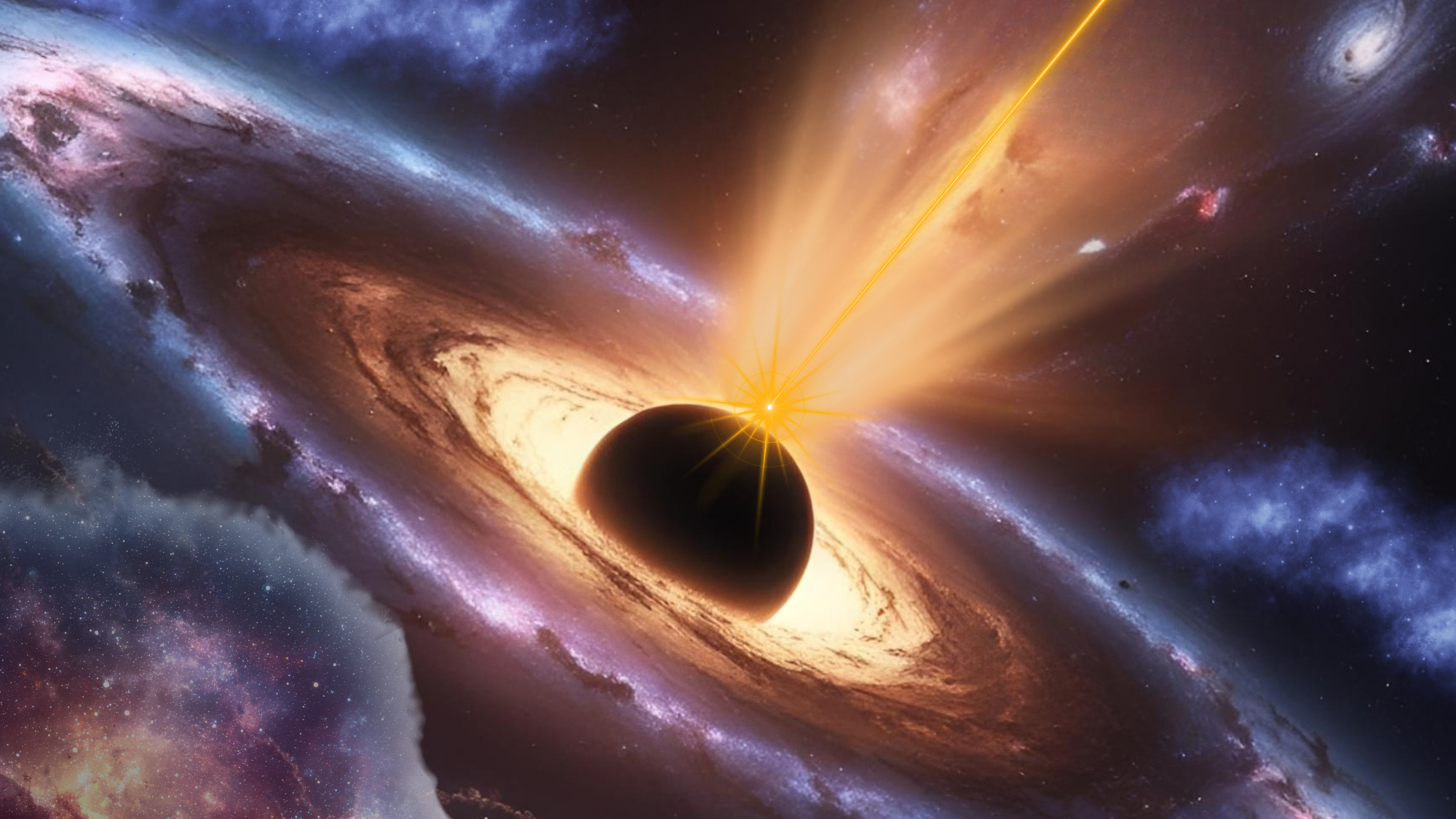
Astronomers used NASA's Swift observatory to link an X-ray outburst from NGC 1275's black hole to radio jets that appeared roughly 300 days afterward.

Research reported by Phys.org links the consistency of marine snow to how effectively it moves carbon into the ocean's depths.
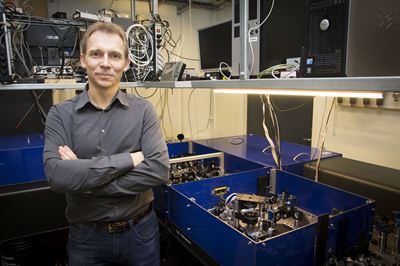
A new spectroscopy method let Lund University scientists follow light energy through purple bacteria, revealing near-perfect efficiency in photosynthesis's opening moments.

Francis Halzen wins the 2026 Nobel Prize in physics for work on detecting cosmic neutrinos, with Canada's SNOLAB cited as a contributor.

Saudi snow, California floods, Australian heat — all in one week. Here's why the climate crisis is no longer distant, and what most people get wrong.

A new theory proposes that tiny ancient black holes may exist in a five-dimensional universe, offering possible answers on dark matter.

A Nature study links InSAR ground movement in southwestern Cyprus to landslide activity class, rock type and rainfall as the dominant driver.
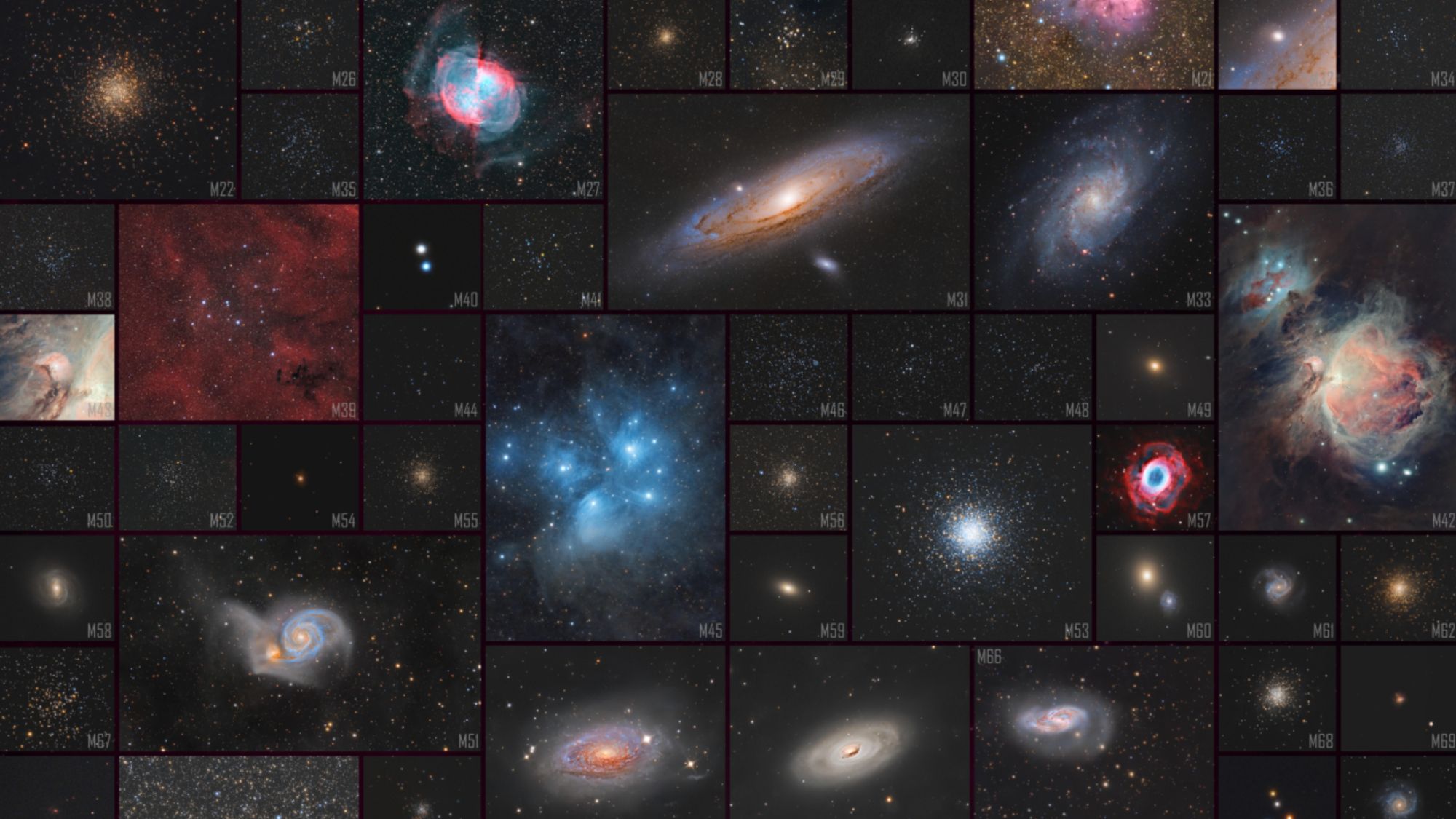
Cornelis van Zuilen photographed every galaxy, star cluster and nebula in the Messier catalog, sleeping in his car on many nights to finish the project.
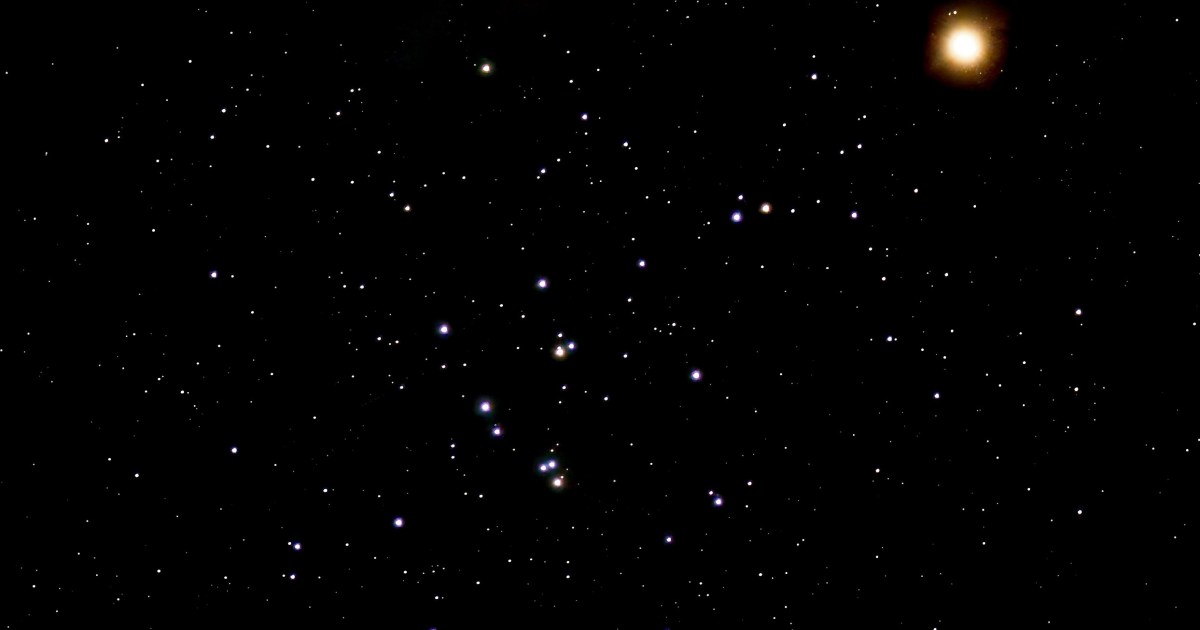
Mars is passing through the Beehive Cluster early Sunday, giving skywatchers a chance to see the planet drift among the cluster's stars.
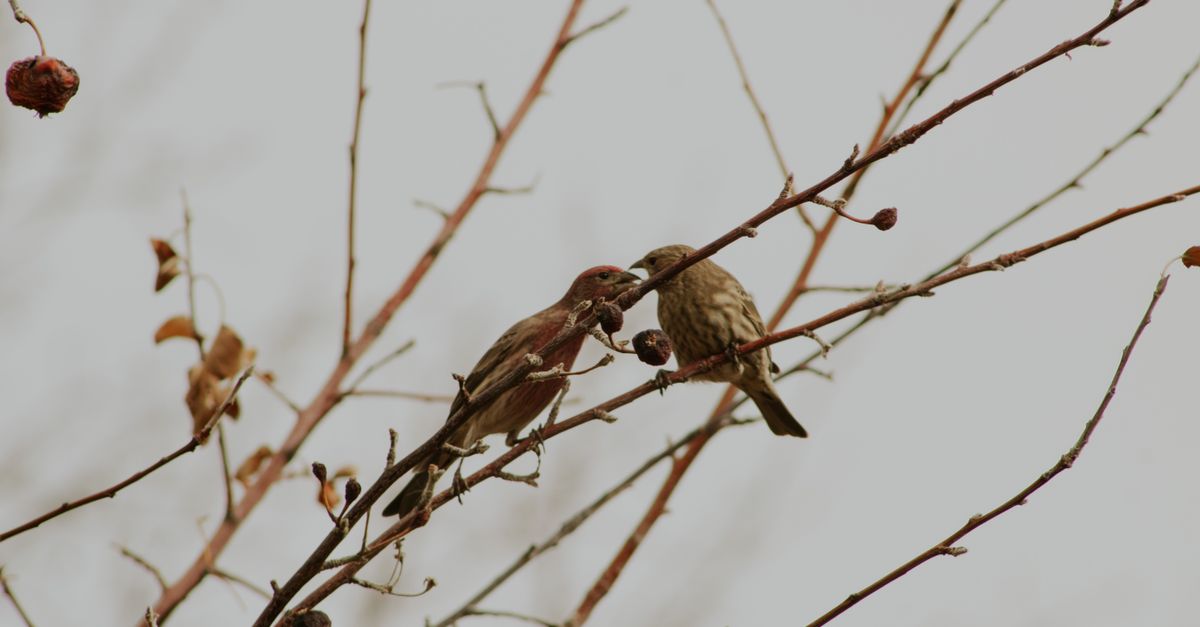
Nature reports that a supergene called G03 underpins dramatic beak and body size differences in Camarhynchus tree finches despite minimal genetic divergence.

Researchers release a 5,231-acquisition human activity recognition dataset from 106 participants and 21 open-source parsers for cross-dataset benchmarking.

Francis Halzen, 82, has been awarded the 2026 Nobel Prize in Physics for his role in developing the IceCube neutrino observatory in Antarctica.

A quantum computing experiment just produced results that shouldn't exist. Here's why physicists are quietly freaking out — and what it means for reality itself.

A moderate geomagnetic storm watch is in effect, and USA Today reports the aurora may be visible across parts of the United States this weekend.
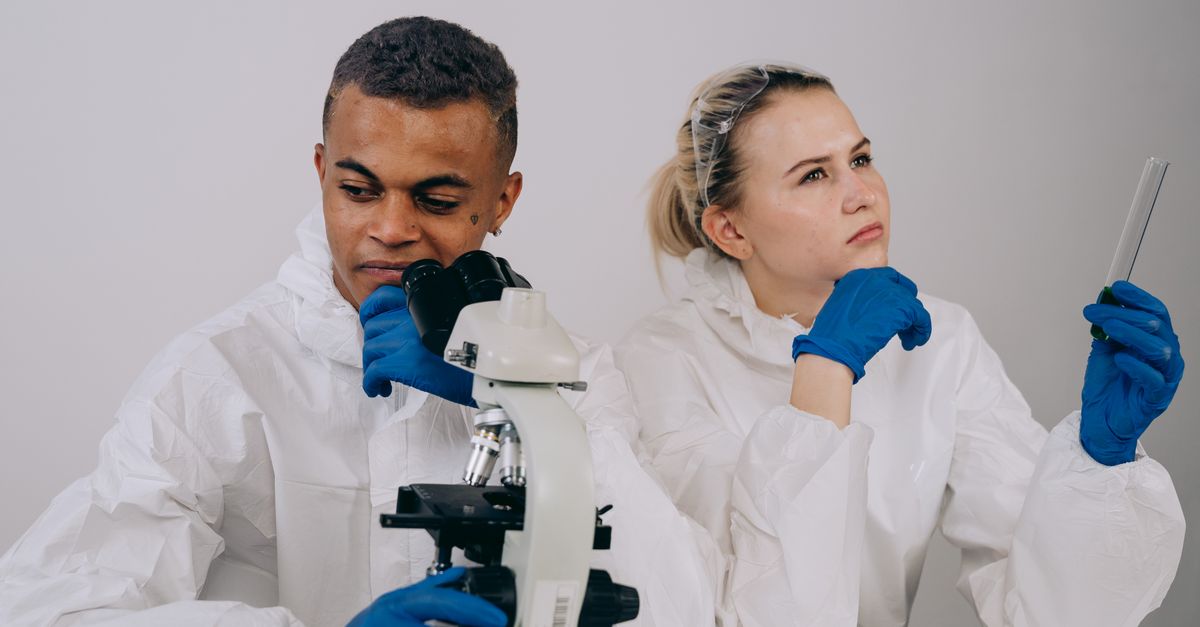
A newly discovered state of matter is forcing physicists to rewrite the rulebook. Here's what it means and why it matters more than you think.

CONICET and IANIGLA researchers unveil a hydroclimatic tool for Mendoza as Súper Niño drives storms from Mexico to Singapore.
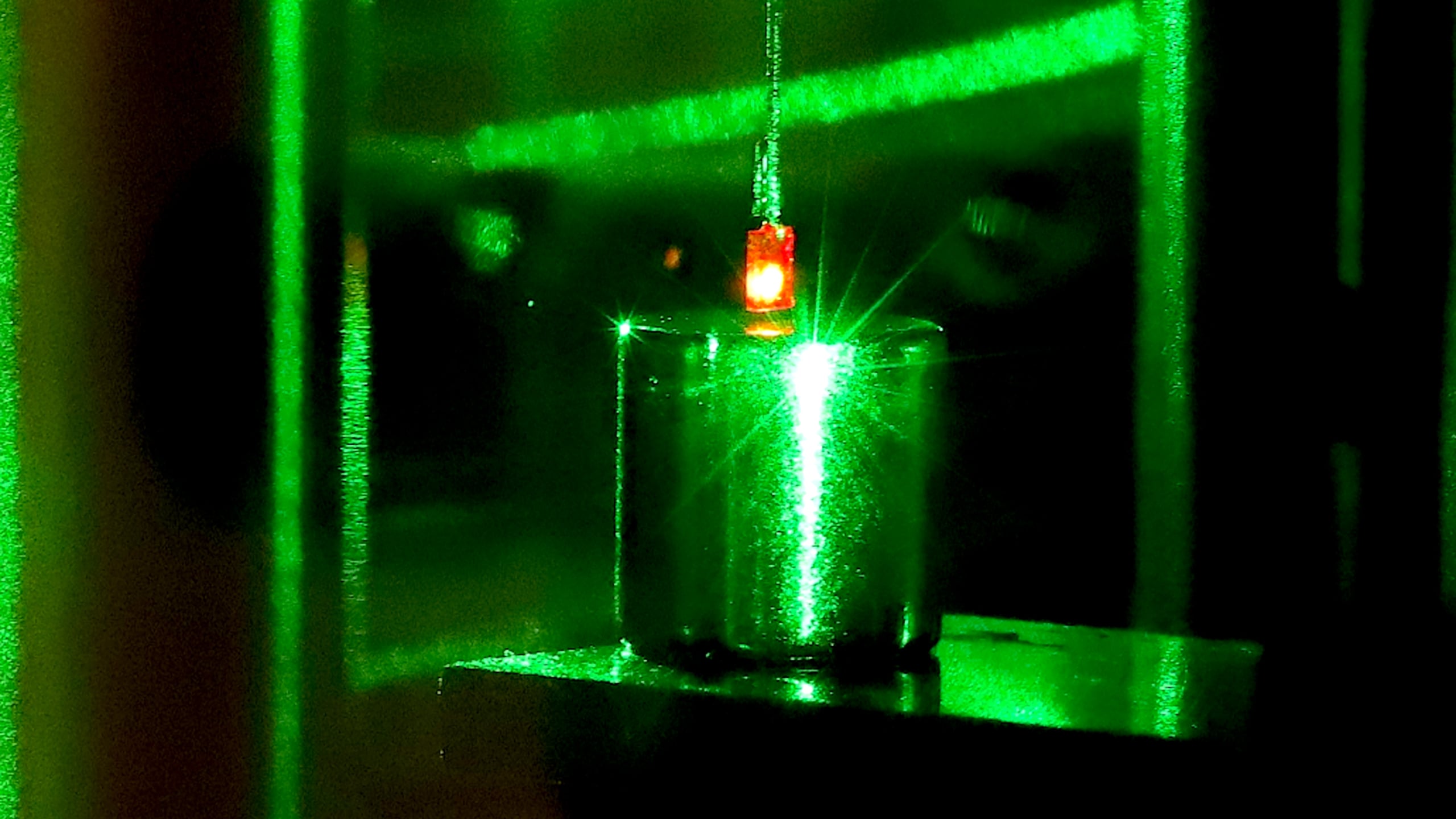
Researchers in Japan used quantum spin in diamond defects to nudge a levitating graphite plate, a first at centimeter scale.
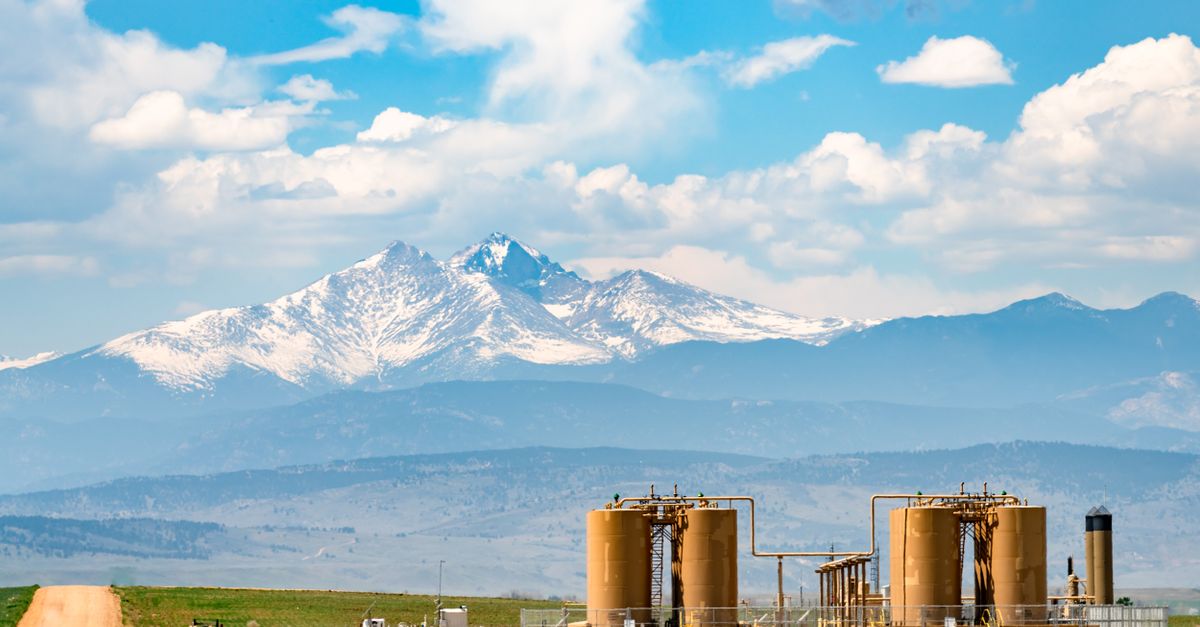
Phys.org reports a new catalyst that converts methane at reduced temperatures while maintaining performance over time.
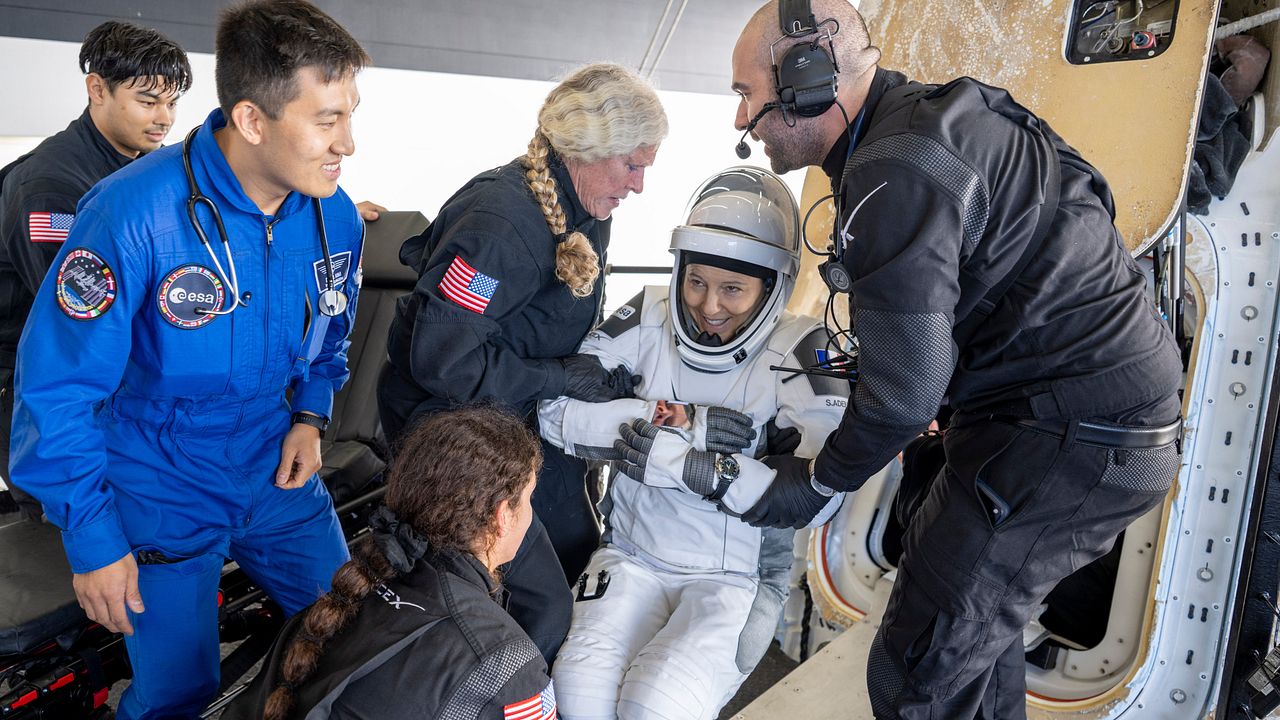
Sophie Adenot lands back on Earth after eight months aboard the ISS, setting a new record for the longest European spaceflight.
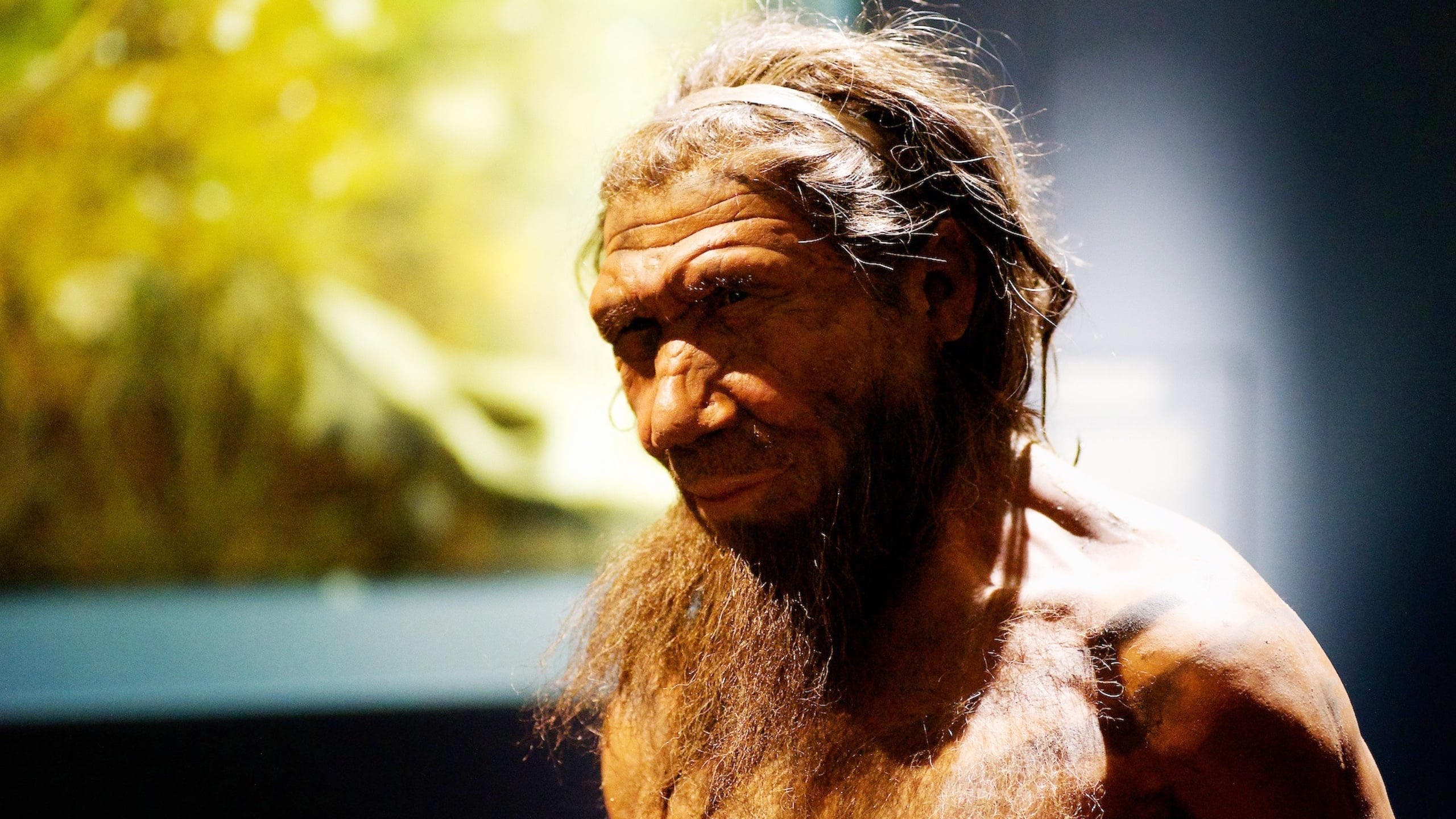
A cache of 597 wood imprints at Abric Romaní in Barcelona includes 13 modified tools, suggesting Neanderthals were prolific woodworkers.
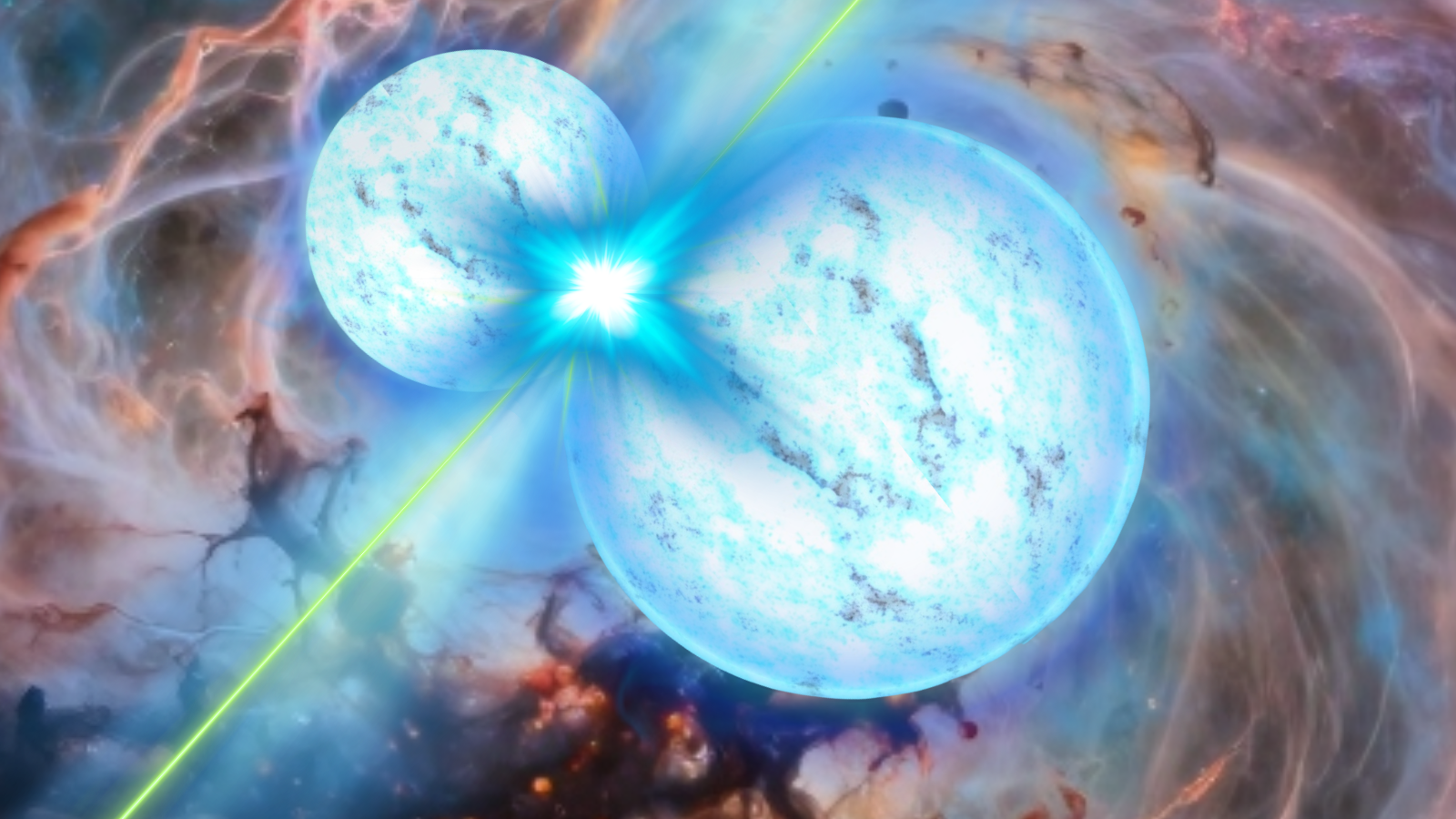
A record-long X-ray burst from a galaxy 6 billion light-years away may mark a neutron star collision powered by an ultra-magnetic magnetar, Space reports.

Scientists studied both for years. The immune winner isn't what biohackers claim — and the real answer flips the whole debate.

Library visits among young adults are surging. Here's the surprising science behind Gen Z's revival of "third places" — and why it might not last.
Page 18 of 27