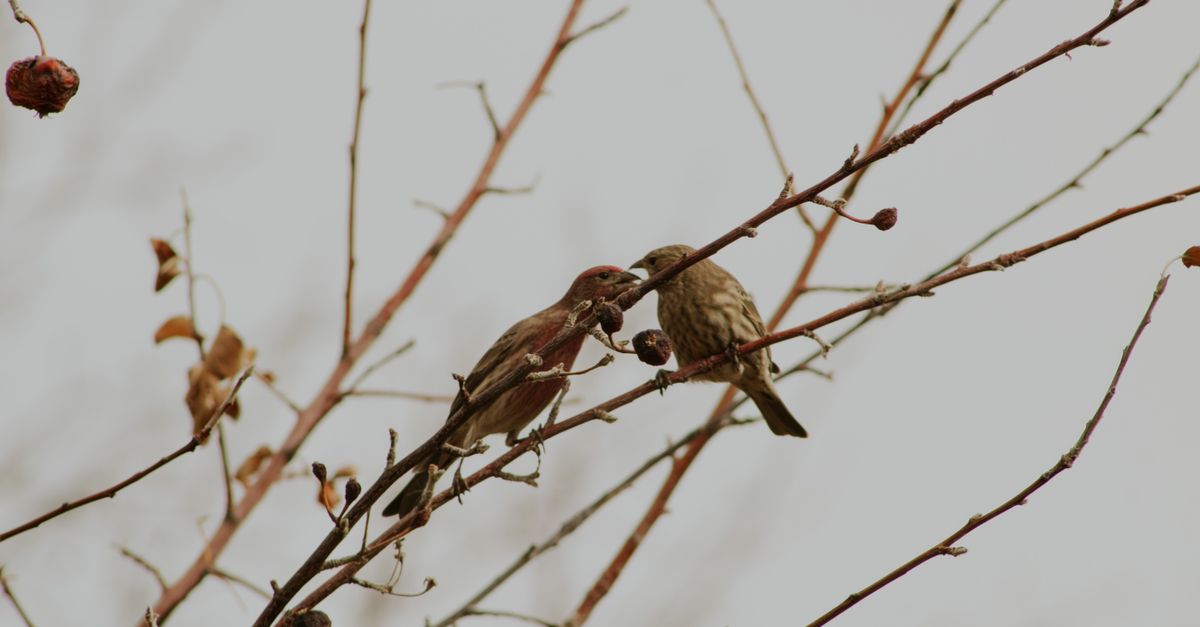
A single genetic region controls some of the most striking physical differences among Galápagos tree finches, according to a study published in Nature on October 11, 2026. Researchers analyzed whole genomes alongside morphological data from Camarhynchus tree finches and identified a supergene — a block of linked genes inherited together — that affects both beak and body size.
The work, led by scientists affiliated with Uppsala University and other institutions, revisits questions about the origins of Darwin's finches that date back to before genetic evidence was available. According to Nature, the study found that Camarhynchus diversified over the last 100,000 years, producing notable morphological differences despite shallow genetic divergence across the genome.
Why it matters
Darwin's finches have served as a textbook example of adaptive radiation, the process by which a single ancestral lineage branches into many species occupying different ecological roles. Beak morphology in these birds is closely tied to fitness because it determines what foods a bird can eat. Understanding the genetic basis of that variation helps explain how new species arise and how biodiversity is generated.
The new findings add a striking case to that picture. Nature reports that the researchers identified several highly differentiated loci, or genomic regions, including one designated G03. This supergene affects beak and body size, and the study describes an unusual pattern of genomic mosaicism: between two species living in the same area, autosomal differentiation — differences across the non-sex chromosomes — is largely confined to this single locus. That locus approaches fixation, meaning nearly all individuals carry the same variant, effectively shifting the two species from one phenotypic optimum to another.
A supergene with deep roots in the radiation
The study placed G03 in a broader phylogenetic framework, comparing its variants across related species. According to Nature, the researchers found an unexpected diversity of G03 haplotypes — different versions of the gene region — and determined that the small and large G03 alleles diverged early in the finch radiation.
That early split suggests G03 represented a key genetic innovation that enabled ecological expansion among Darwin's finch species. In other words, the variation in this one region may have opened up new ways of life for the birds, allowing them to exploit different food sources and habitats.
The pattern of genomic mosaicism described in the paper is notable because it shows how a single locus can carry most of the genetic distinction between two sympatric species — species that share the same geographic area. Rather than accumulating differences across many parts of the genome, these finches appear to have diverged primarily at G03, which is associated with a shift in physical form.
Speciation with gene flow
The results also position Camarhynchus as a model example of speciation with gene flow, a scenario in which new species form even while exchanging genetic material. Nature reports that the findings underscore the broader role of hybridization in generating biodiversity.
This matters because hybridization was once viewed mainly as a force that blurs species boundaries. The tree finch data suggest the opposite can also occur: interbreeding between lineages may introduce genetic variants that fuel adaptation and, ultimately, the emergence of new species.
The research combined whole-genome sequencing with morphological measurements, an approach that allowed the team to connect specific genomic regions to physical traits. The authors frame their work as a return to long-standing questions about finch origins, now addressable with genetic tools that were unavailable to earlier researchers.
Funding and institutions
The study was supported by grants from Vetenskapsrådet, the Knut and Alice Wallenberg Foundation, and an MSCA European Postdoctoral Fellowship. Computational resources came from the National Academic Infrastructure for Supercomputing in Sweden, and the authors acknowledged support from the National Genomics Infrastructure in Stockholm. Open access funding was provided by Uppsala University.
Researchers involved in the work are affiliated with Uppsala University in Sweden, the Galápagos Science Center at Universidad San Francisco de Quito in Ecuador, the University of Zürich in Switzerland, Princeton University in the United States, and Texas A&M University. Logistical support for entering the Galápagos and conducting laboratory work was provided by the Galápagos Science Center.
The paper appears in Nature Communications under a Creative Commons Attribution 4.0 International License, which permits reuse with credit.
What to watch
The study opens the door to further work on how supergenes shape ecological adaptation in other branches of the finch family tree, and whether similar single-locus architectures underlie diversification in other adaptive radiations. Researchers will also want to trace how the G03 haplotypes moved between species over time and what that exchange means for the pace of speciation.





