
Picture this: it's a Tuesday night in a mid-sized city, and a 24-year-old software engineer is doing something her grandparents would find bizarre. She's sitting in a public library, not to borrow a book, but to co-work with three friends she met on a Discord server. Two tables over, a retired teacher is teaching a teenager how to play chess. Downstairs, a knitting circle is arguing about whether purling is "elitist."
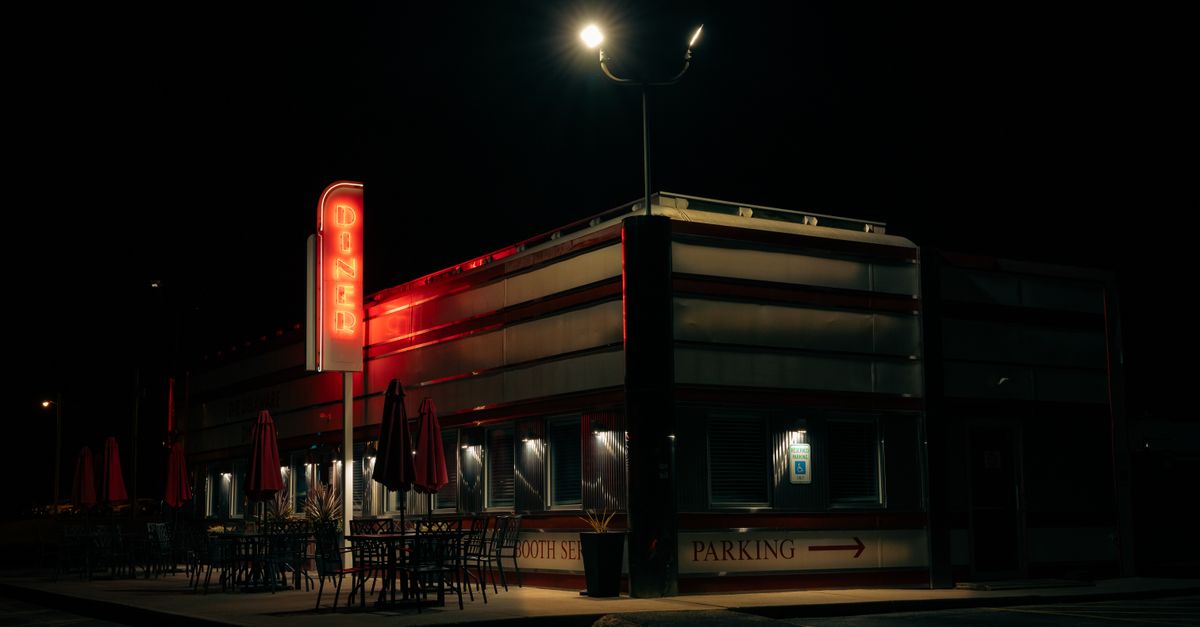
Here's the statistic that stopped me cold: library visits in the US have climbed back above pre-pandemic levels, and in some cities, foot traffic from people aged 18–34 has jumped by more than 30% since 2019. Meanwhile, chain diners that were written off as relics — think Waffle House, Denny's, local Greek-owned greasy spoons — are reporting that late-night tables are increasingly occupied by laptops, sketchbooks, and people who are very clearly not there for the pancakes.
Gen Z is resurrecting something sociologists have been mourning for decades: the third place.
The Theory That Predicted Your Entire Social Life
Back in 1989, sociologist Ray Oldenburg coined the term "third place" in his book The Great Good Place. The idea was simple: we have a first place (home), a second place (work), and then there's a third — a neutral ground where people gather, linger, and form loose ties that somehow matter more than we admit.
Oldenburg wasn't romanticizing. He was diagnosing. He argued that a healthy society needs these spaces: cafés, pubs, barbershops, parks, libraries, diners — places where you don't need a reservation, a membership, or a reason to show up. You just... show up.
Then the internet happened. Then the pandemic happened. For a while, it looked like the third place was dead, replaced by group chats and Discord servers and whatever we're calling "parallel scrolling." I've found that most people assumed digital connection would fully replace physical gathering.
They were wrong. Kind of.

Why a Generation Raised Online Is Craving Offline
Here's what most people miss about Gen Z: they grew up with the most digital social lives in human history, and they're also the loneliest generation on record. The US Surgeon General's 2023 advisory on loneliness wasn't subtle about it. Young adults report the highest rates of loneliness of any age group.
So what do you do when your entire social world lives in a phone?
You go somewhere. Anywhere. Preferably somewhere with free Wi-Fi and no expectation to buy a $14 cocktail.
Let's be honest — Gen Z didn't rediscover libraries and diners out of nostalgia. They found them because they're cheap, quiet, and don't require you to perform. Try being socially anxious in a nightclub. Now try being socially anxious in a library reading room. One of those spaces lets you exist without a script.
The revival makes sense for a few concrete reasons:
- Remote work killed the office as a social hub. If your job is a laptop, you need somewhere else to be a person.
- Rent is brutal. A third place is basically a living room you don't have to pay for.
- Digital fatigue is real. Even people who love the internet are tired of only the internet.
- Aesthetic matters. Old libraries, neon diners, and community rec centers have a texture that a Zoom call will never have.
The Science of Lingering (Yes, It's a Thing)
I want to get nerdy for a second, because this isn't just vibes.
Researchers who study social infrastructure — the physical places and organizations that shape how people interact — have found that neighborhoods with more third places tend to have higher levels of trust, lower crime, and stronger resilience during crises. Sociologist Eric Klinenberg's work on the 1995 Chicago heat wave is the classic example: neighborhoods with vibrant public spaces and community ties had significantly lower death rates than equally poor neighborhoods without them.
The mechanism isn't mystical. It's what researchers call "weak ties" — the casual relationships with the barista, the regular at the chess table, the person who always sits in the same corner of the library. These aren't your best friends. But they form a web of low-stakes belonging that buffers against isolation.
Gen Z, whether they know the research or not, is chasing that buffer. And libraries — which offer free space, free Wi-Fi, free programming, and zero purchase pressure — are the perfect laboratory.
The Catch Nobody Wants to Talk About
Here's where I have to be the buzzkill.
Third places only work if they exist. And the ones Gen Z is loving right now are underfunded, understaffed, and in some cases actively being closed. Library budgets get cut first when cities tighten their belts. Independent diners get squeezed by rising rents and delivery-app economics. Community centers close when nobody shows up — and then nobody shows up because they closed.
There's a weird paradox here: the generation reviving these spaces has the least political power to protect them. Gen Z votes, sure, but they're not typically the ones showing up to city council meetings about zoning for a new café or library funding.
So the revival is real, but fragile. It's less a triumphant comeback and more a race between cultural demand and institutional decay.
The good news? Demand is a powerful thing. Libraries that added teen zones, maker spaces, and extended hours are seeing exactly the crowds we're talking about. Diners that leaned into the "come sit as long as you want" ethos are thriving. The third place isn't dying. It's being renegotiated.
What You Can Actually Do About It
I'm not going to end this with "go touch grass." That's lazy.
But here's a practical, slightly uncomfortable challenge: find your third place this week and go there twice. Not once. Twice. Because the magic of a third place isn't in the first visit. It's in being recognized on the second.
It could be:
- The library branch you've walked past for years
- A diner where the coffee is mediocre and the booth is perfect
- A park bench, a community garden, a rec center pool
- A board game shop that hosts open nights
Gen Z didn't invent the third place. They just remembered it existed. The rest of us should probably follow them back.






