Science
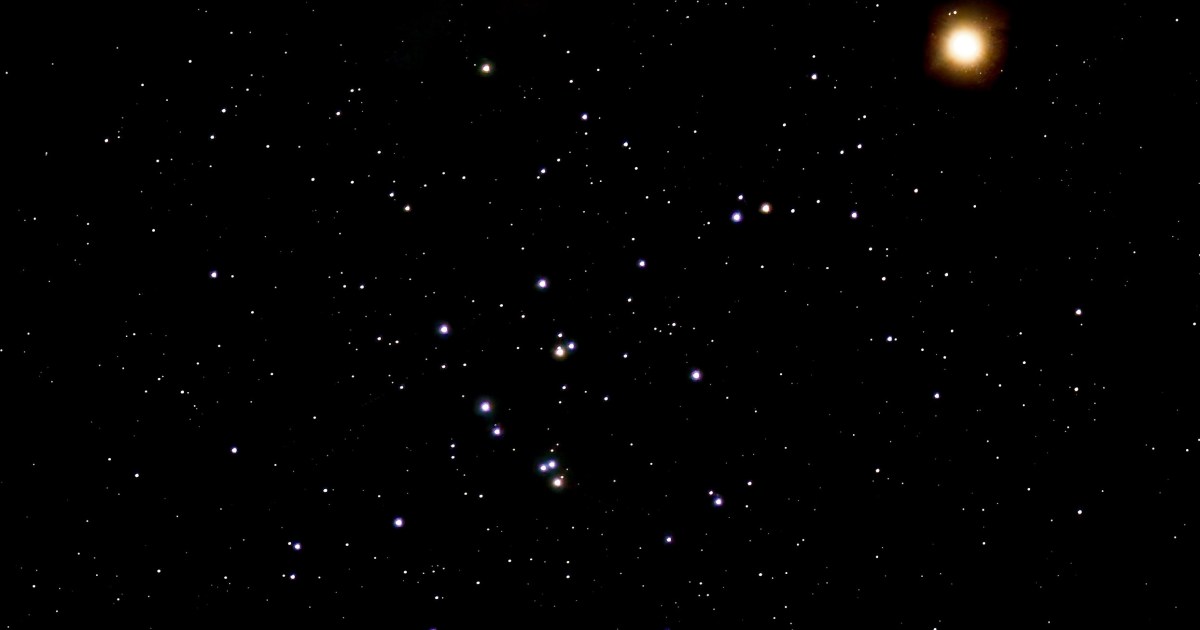
Mars Crosses the Beehive Cluster in Sunday's Pre-Dawn Sky
Mars is passing through the Beehive Cluster early Sunday, giving skywatchers a chance to see the planet drift among the cluster's stars.
Xia Ma · 11 Oct 2026178
Science, discoveries and how the world works. · 251 articles
Mars is passing through the Beehive Cluster early Sunday, giving skywatchers a chance to see the planet drift among the cluster's stars.
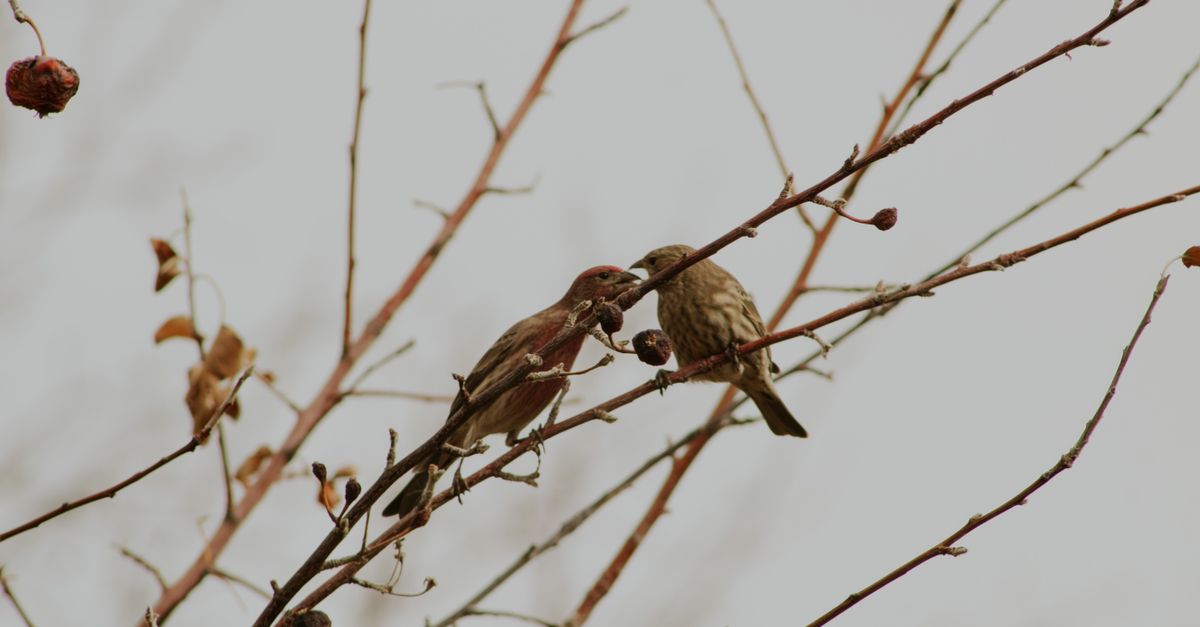
Nature reports that a supergene called G03 underpins dramatic beak and body size differences in Camarhynchus tree finches despite minimal genetic divergence.

Researchers release a 5,231-acquisition human activity recognition dataset from 106 participants and 21 open-source parsers for cross-dataset benchmarking.

Francis Halzen, 82, has been awarded the 2026 Nobel Prize in Physics for his role in developing the IceCube neutrino observatory in Antarctica.

A quantum computing experiment just produced results that shouldn't exist. Here's why physicists are quietly freaking out — and what it means for reality itself.

A moderate geomagnetic storm watch is in effect, and USA Today reports the aurora may be visible across parts of the United States this weekend.
A newly discovered state of matter is forcing physicists to rewrite the rulebook. Here's what it means and why it matters more than you think.

CONICET and IANIGLA researchers unveil a hydroclimatic tool for Mendoza as Súper Niño drives storms from Mexico to Singapore.
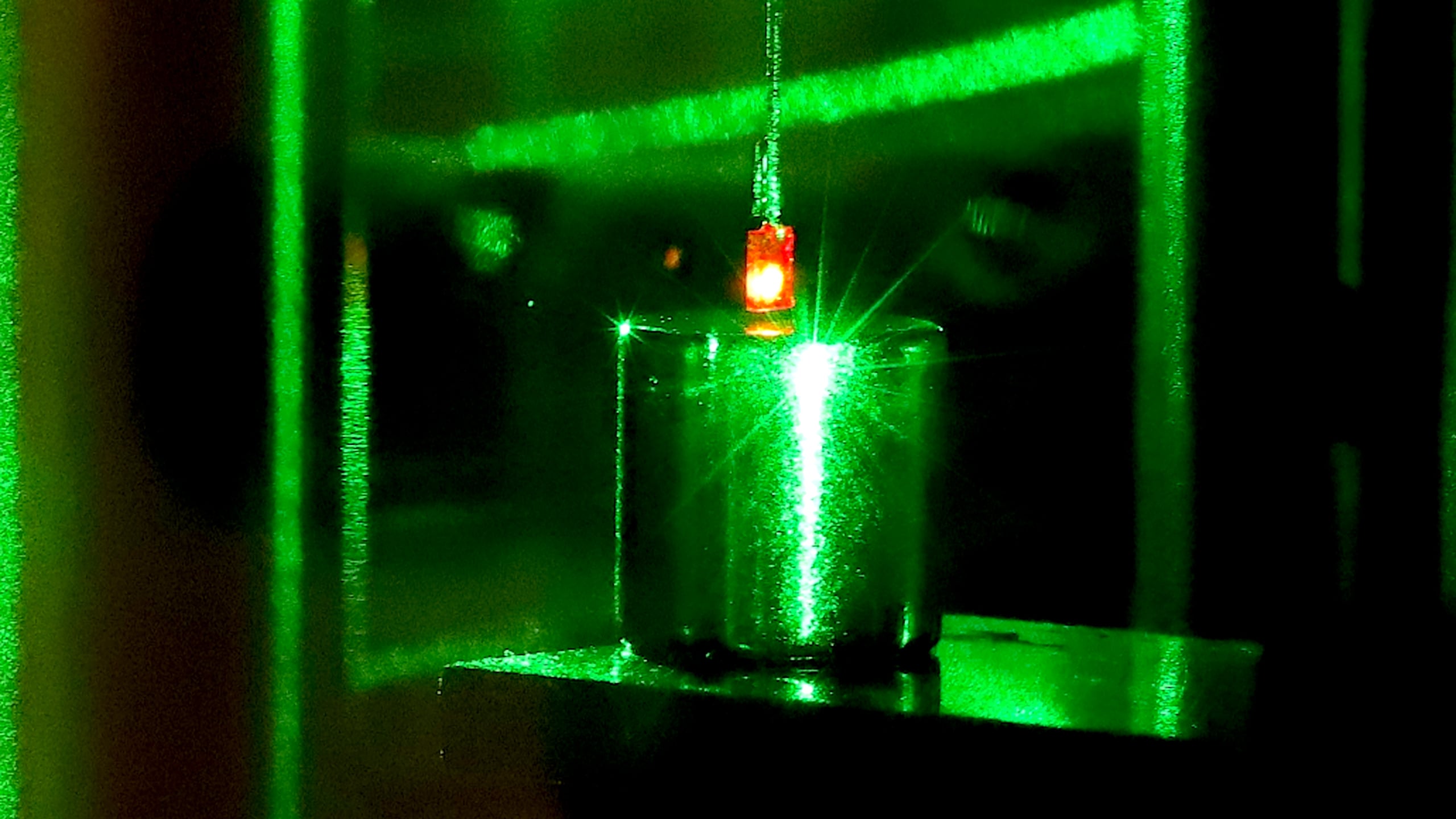
Researchers in Japan used quantum spin in diamond defects to nudge a levitating graphite plate, a first at centimeter scale.
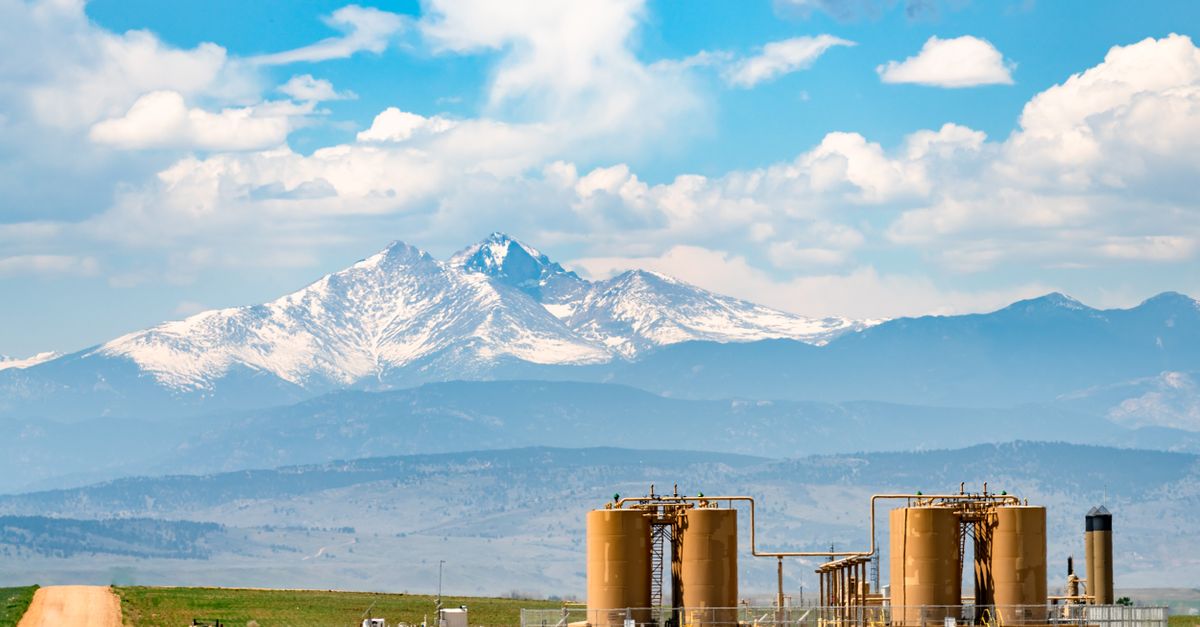
Phys.org reports a new catalyst that converts methane at reduced temperatures while maintaining performance over time.
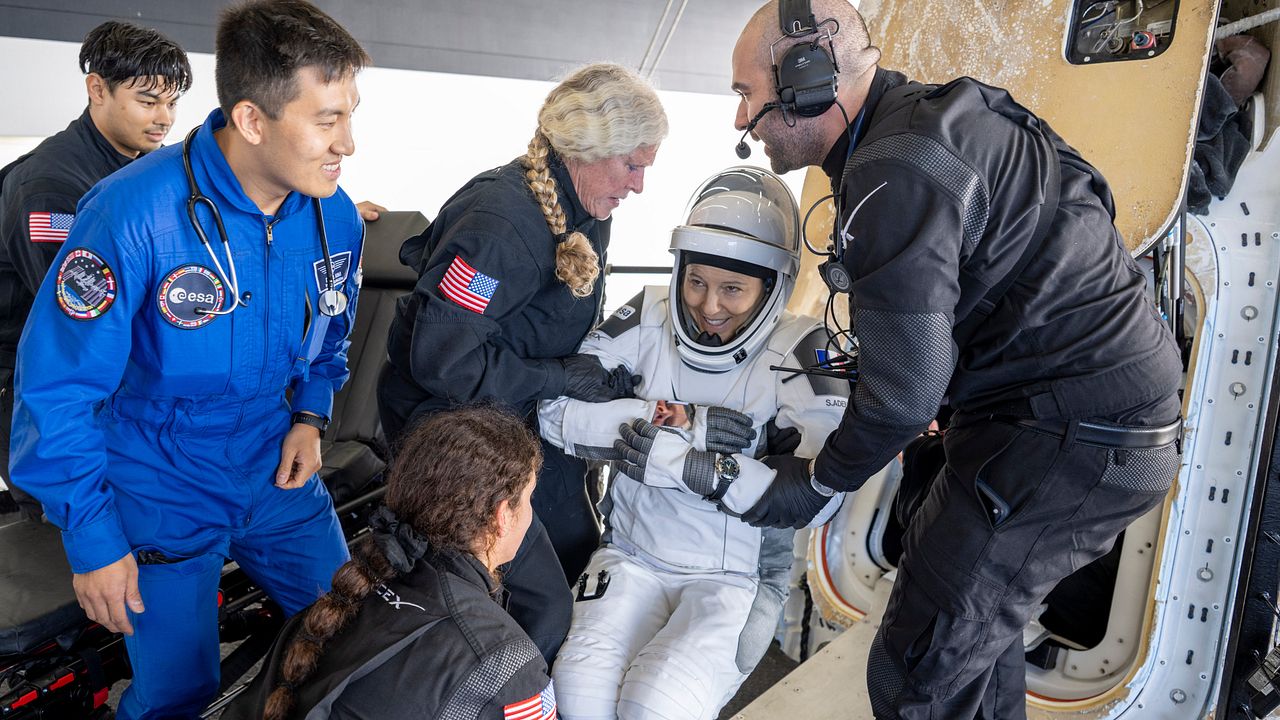
Sophie Adenot lands back on Earth after eight months aboard the ISS, setting a new record for the longest European spaceflight.
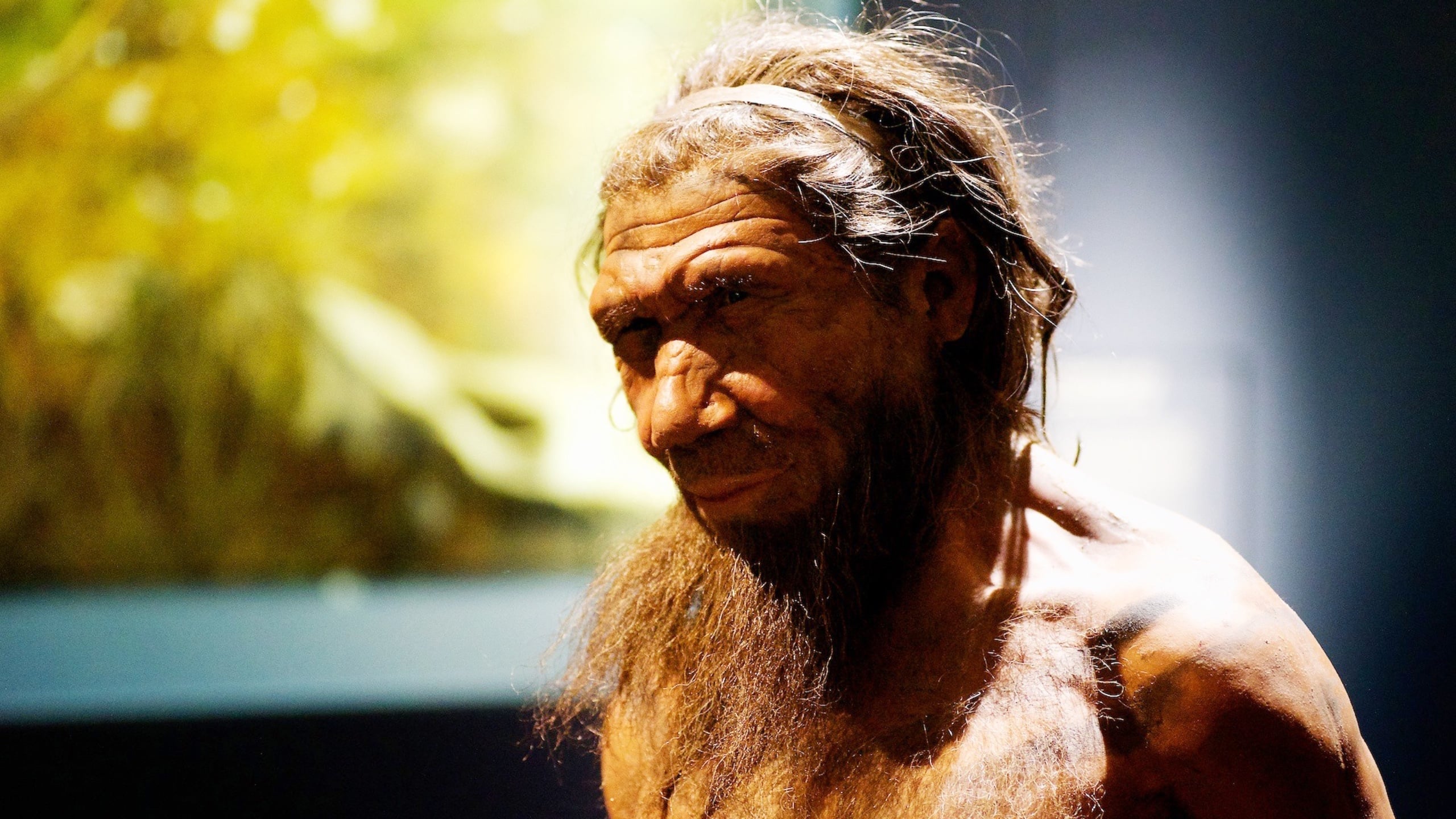
A cache of 597 wood imprints at Abric Romaní in Barcelona includes 13 modified tools, suggesting Neanderthals were prolific woodworkers.
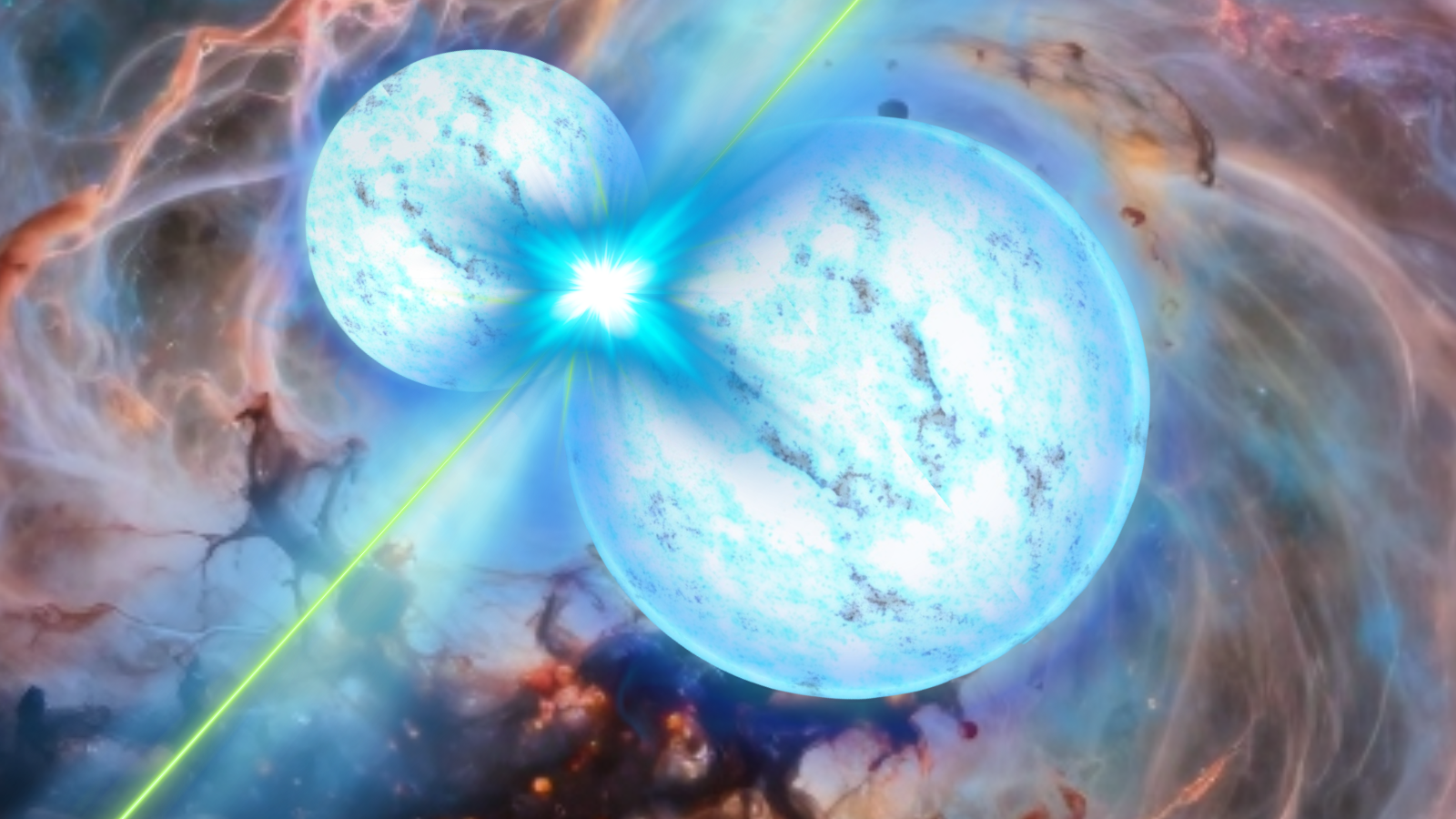
A record-long X-ray burst from a galaxy 6 billion light-years away may mark a neutron star collision powered by an ultra-magnetic magnetar, Space reports.

Scientists studied both for years. The immune winner isn't what biohackers claim — and the real answer flips the whole debate.

Library visits among young adults are surging. Here's the surprising science behind Gen Z's revival of "third places" — and why it might not last.

A new study uses hydrogen isotopes as evidence that water is leaking from Earth's core, according to Science | AAAS.

A Nature study found that PCV3-infected weaned pigs showed no fever or weight loss but carried high viral loads in lymph nodes, lungs and spleen.

A Nature-published analysis of 8,232 integration settings finds that tool and parameter choices change which cell types cattle embryos appear to contain.
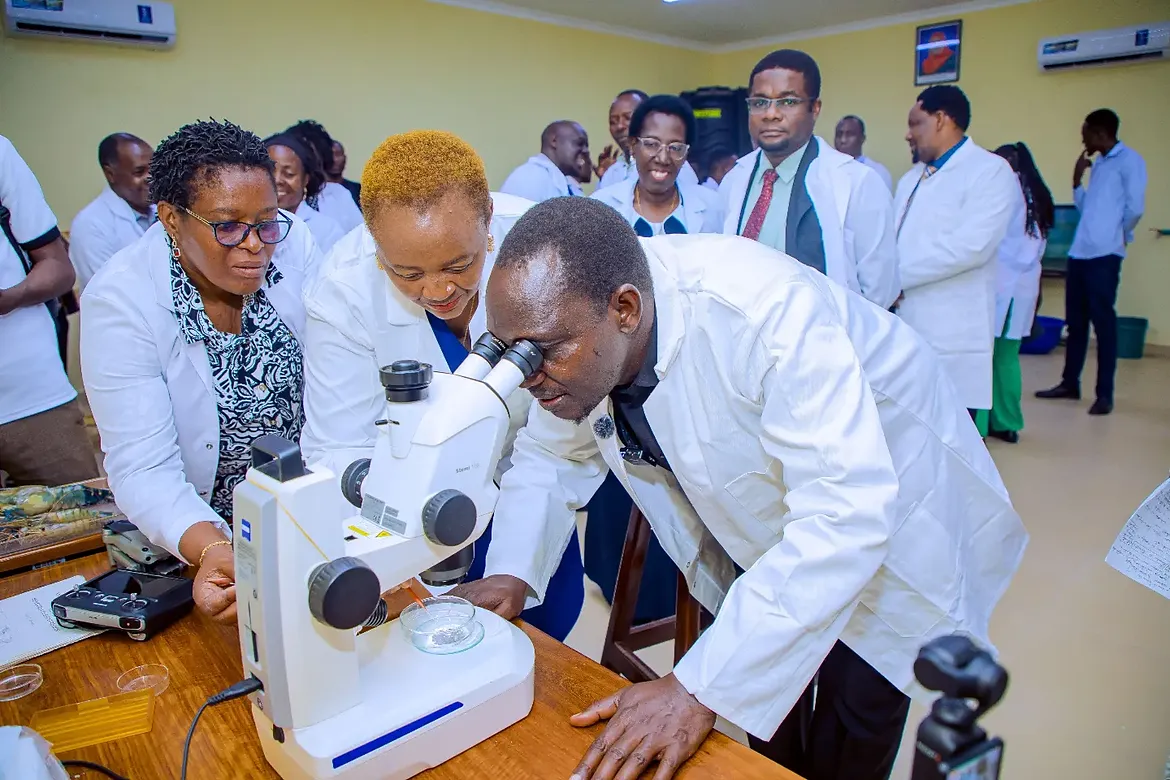
Tanzania's fisheries minister has inaugurated a TAFIRI laboratory in Dar es Salaam to study how ocean acidification affects marine life.
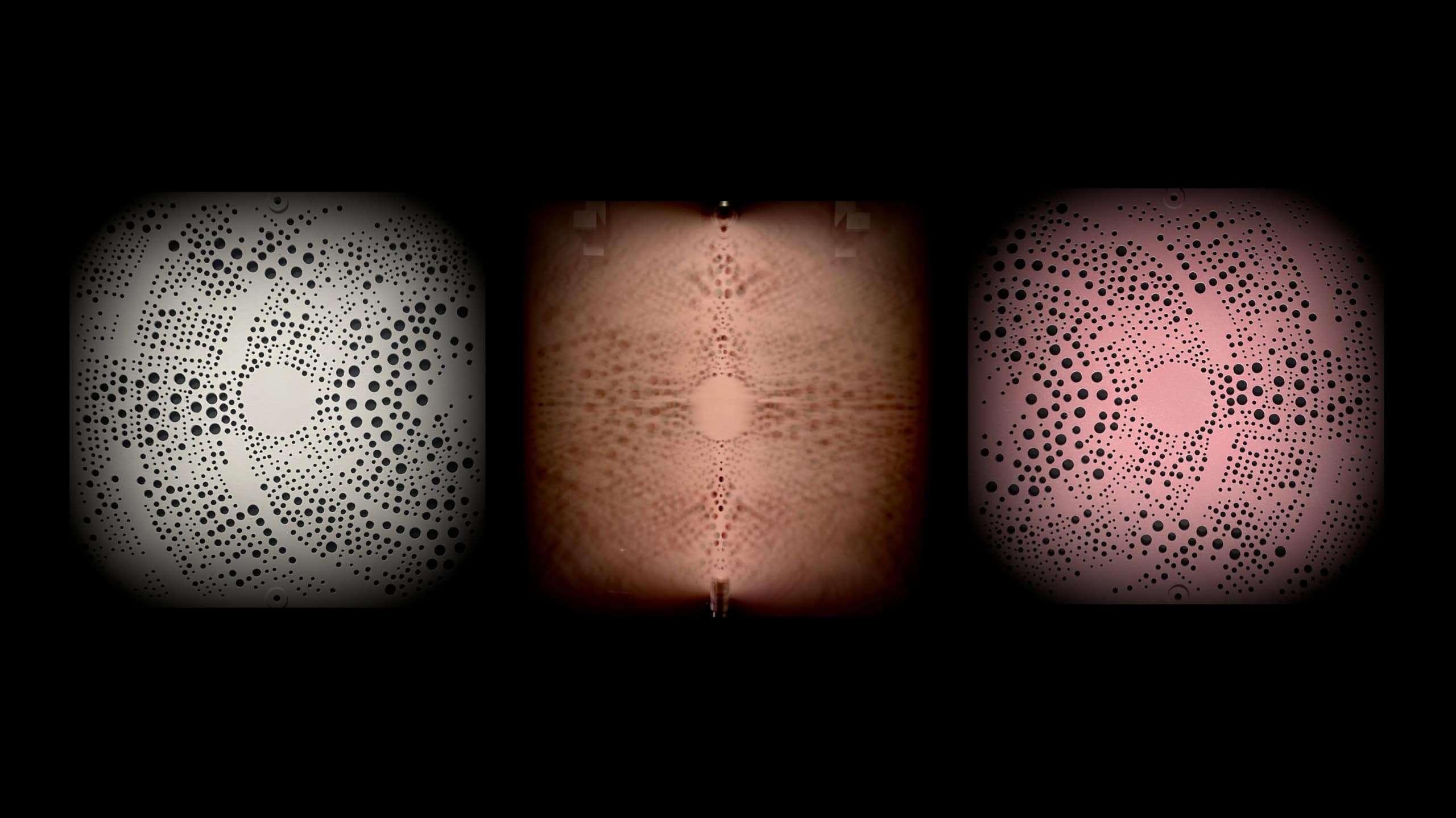
Gregor Harvie's Superposition uses 16 spinning aluminium panels to let visitors experience superposition and entanglement firsthand.

Researchers in Bonn have rejuvenated human cells grown in a test tube, according to News-Medical, though full details of the work remain limited.

RRI.co.id reports the first virus ever identified was found in tobacco, not in humans or animals.

Four astronauts are back on Earth after roughly eight months aboard the International Space Station, according to Phys.org.

Phys.org reports a new simulation tool models DNA packaging at more than ten times the scale previously possible.
Page 2 of 11