The Surprising Science Behind Why We Can't Stop Scrolling—and How to Break Free
Your brain isn't broken—it's been engineered. Here's the surprising science behind infinite scroll and the simple tricks that actually break the spell.
Science, discoveries and how the world works. · 644 articles

Your brain isn't broken—it's been engineered. Here's the surprising science behind infinite scroll and the simple tricks that actually break the spell.

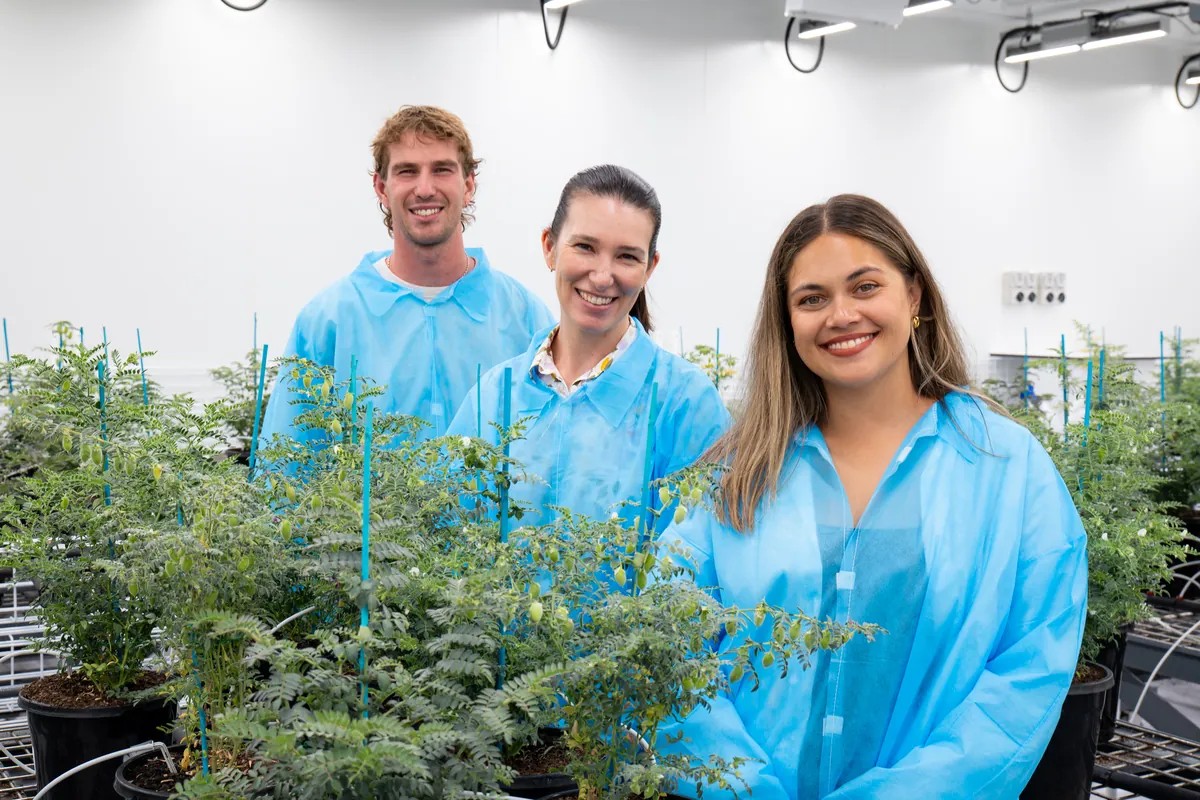
University of Queensland researchers outline a step-by-step genetics roadmap aimed at faster development of chickpeas that can withstand heat stress.

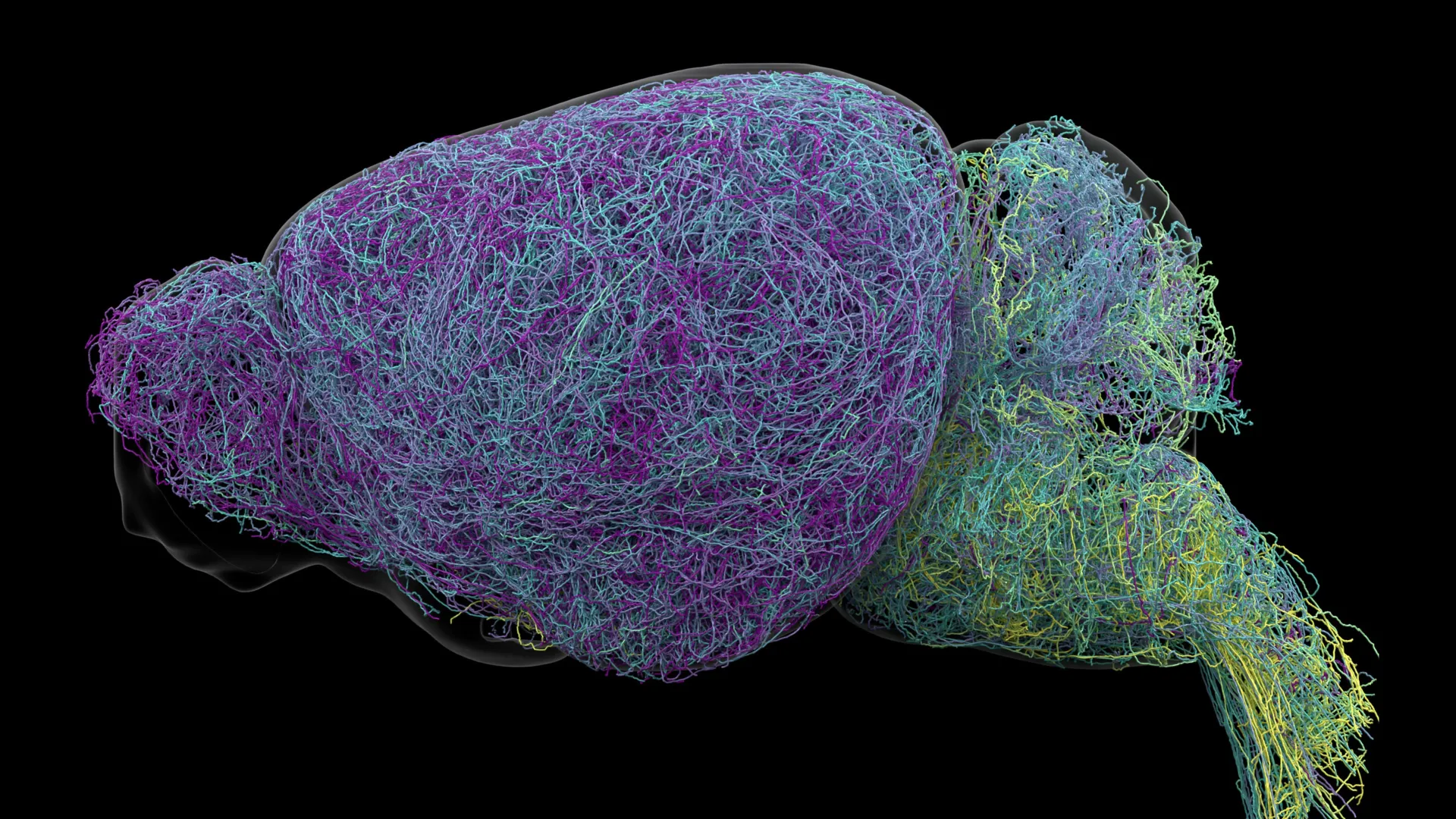
Mouse study finds the locus coeruleus sends targeted norepinephrine signals along distinct pathways, not one broadcast, Science Daily reports.

A plain silicon grating has revealed a hidden twist in light from electron beams, according to a report by Asia Research News.

The qubit race is a vanity metric. Here's what actually matters in quantum computing in 2025 — and the "breakthroughs" you should ignore.

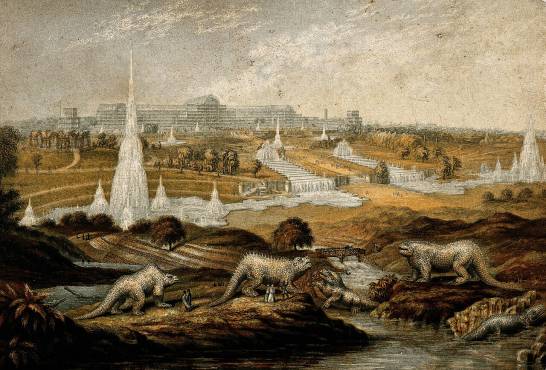
Sinc traces how dinosaur reconstructions evolved from giant iguanas and kangaroo-styled tyrannosaurs to today's view, leaving Jurassic Park outdated.

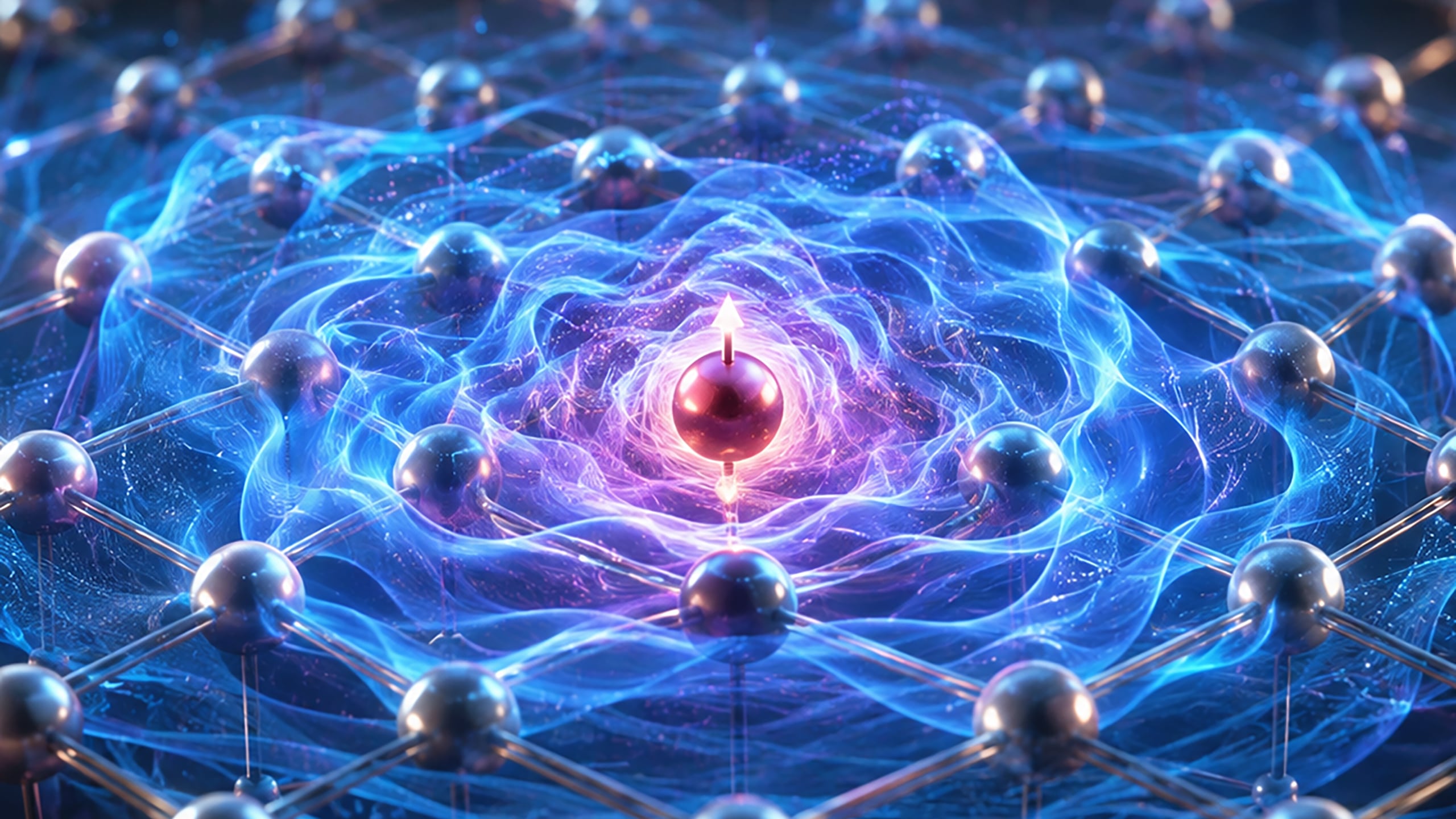
A Northwestern-led team held one antimatter particle in a Penning trap at 0.3 kelvin for months, laying groundwork to compare it with the electron.

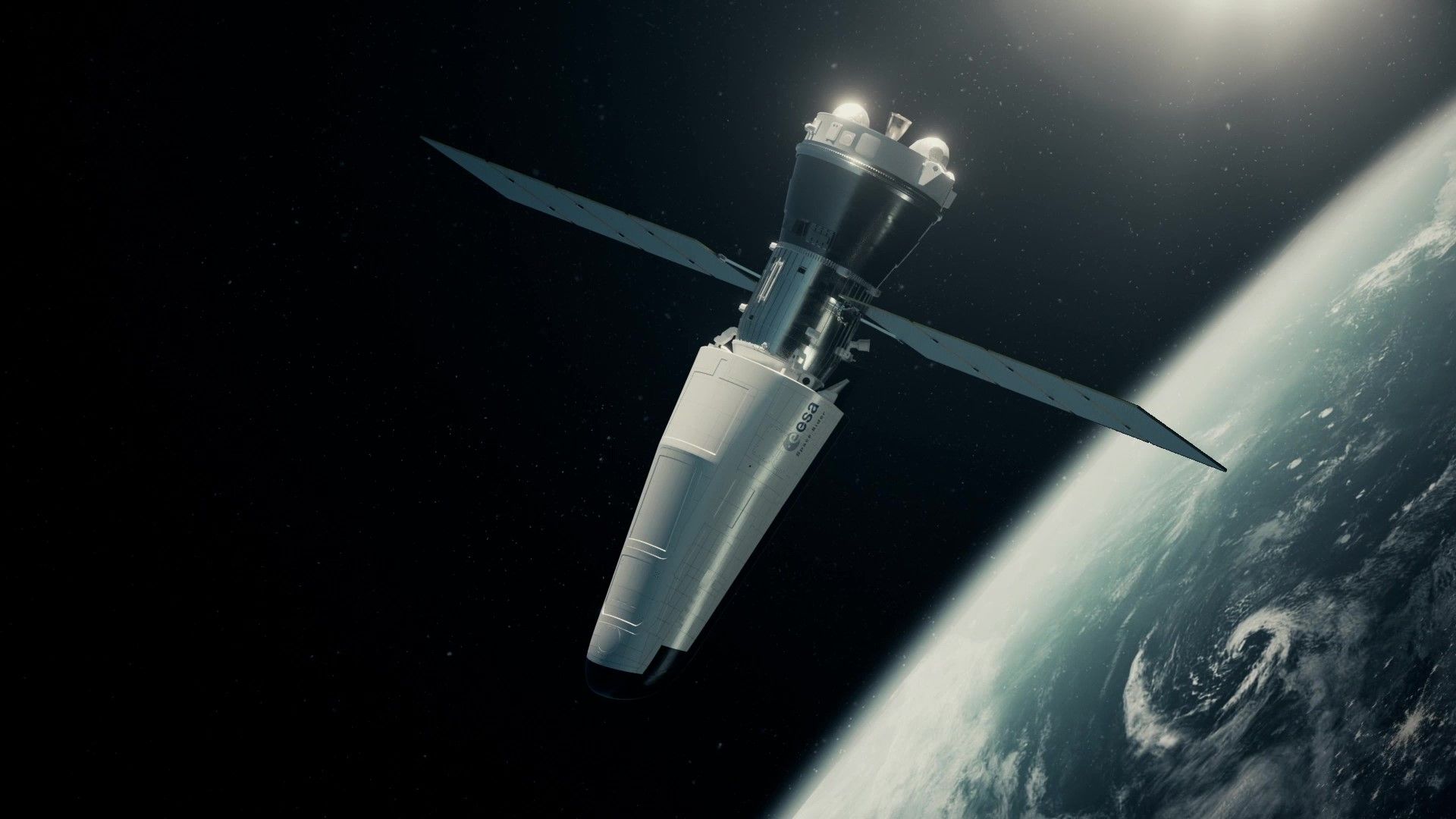
A full-scale Space Rider test model fell uncontrolled after its main parafoil separated during deployment, ESA says an independent investigation is underway.

A new computational method predicts the Kondo effect in real metals with far greater accuracy than simplified models, ScienceAlert reports.

Astronomers report signs that black holes produce magnetic eruptions resembling solar storms, according to Phys.org and Ynetnews.

Scientists say plants' ability to regrow, store seeds and evolve quickly may help them endure climate shifts, though luck plays a role.

The European Space Agency says over 23,000 people visited its six establishments during Open Days 2026 to learn about Europe's space activities.

Climate lawsuits just crossed 2,600 cases—and they're reshaping insurance, pensions, and property. Here's what the science and the courts are really doing.

Phys.org reports that curtain-like plasma structures may explain why solar jets appear to rotate in computer simulations.

Phys.org reports scientists have found dangerous water oscillations between Lake Varna and the Black Sea, though full study details were not immediately available.

A National Academies report recommends four lunar locations beyond the south pole for astronauts to explore, according to SpaceNews.

NASA will outline Artemis III details and progress toward a 2028 crewed lunar landing during a Friday press conference at Kennedy Space Center.

Hugging Face has launched Carbon-X, a 14-billion-parameter open-source model that lets users ask questions about DNA and get conversational answers.

New research reveals why most homework fails kids—and the surprising 10-minute rule that actually works. Here's what parents need to know.

Saturn's moon Iapetus sits at superior conjunction on Thursday, October 22, 2026, per Astronomy Magazine's daily sky report.

Asia Research News highlights research suggesting plastics held under pressure can prevent microplastics, though full details of the study remain unavailable.

Wiley & Sons has published research on the duplication of TCP4 genes in turnip and how the copies took on different functions.

Frontiers reports that juvenile manta rays remain close to coastlines before they move into the riskier open ocean.

Scientists found anomalies hinting at a mirror universe — but the real story is wilder. Here's what the evidence actually says and why it matters.
Page 13 of 27