Science
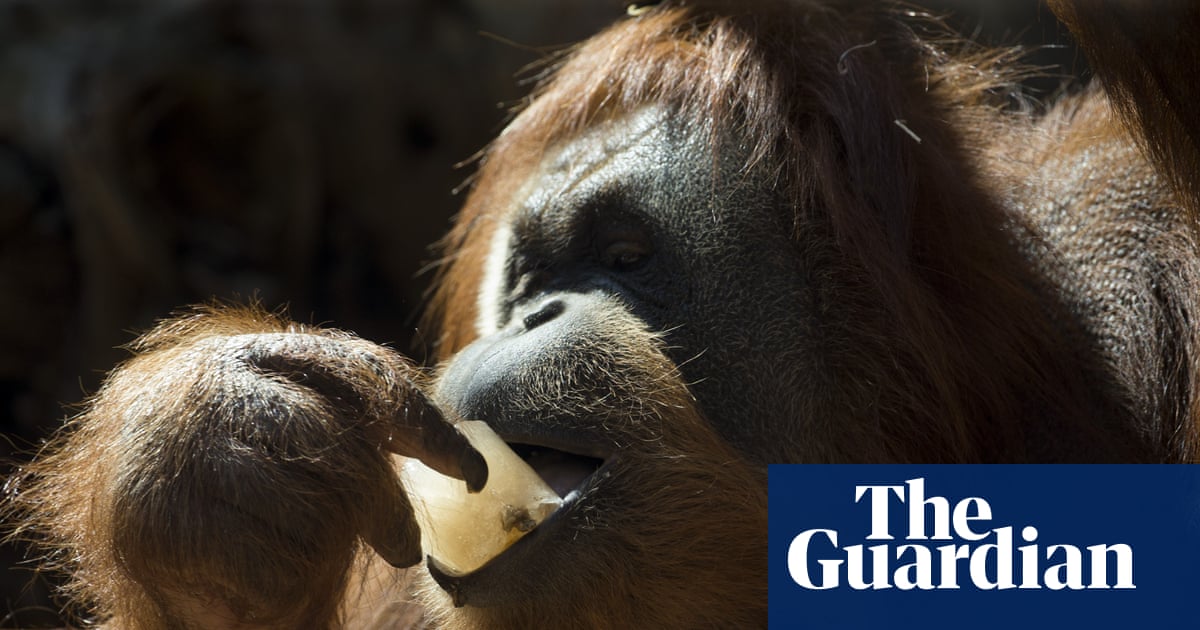
Laughter Recordings Sway Orangutan Food Choices, Study Finds
Captive orangutans favored treats linked to the sound of peers playing and laughing, suggesting emotion shapes how apes learn.
Emeka Onuoha · 21 Oct 2026190
Science, discoveries and how the world works. · 644 articles
Captive orangutans favored treats linked to the sound of peers playing and laughing, suggesting emotion shapes how apes learn.
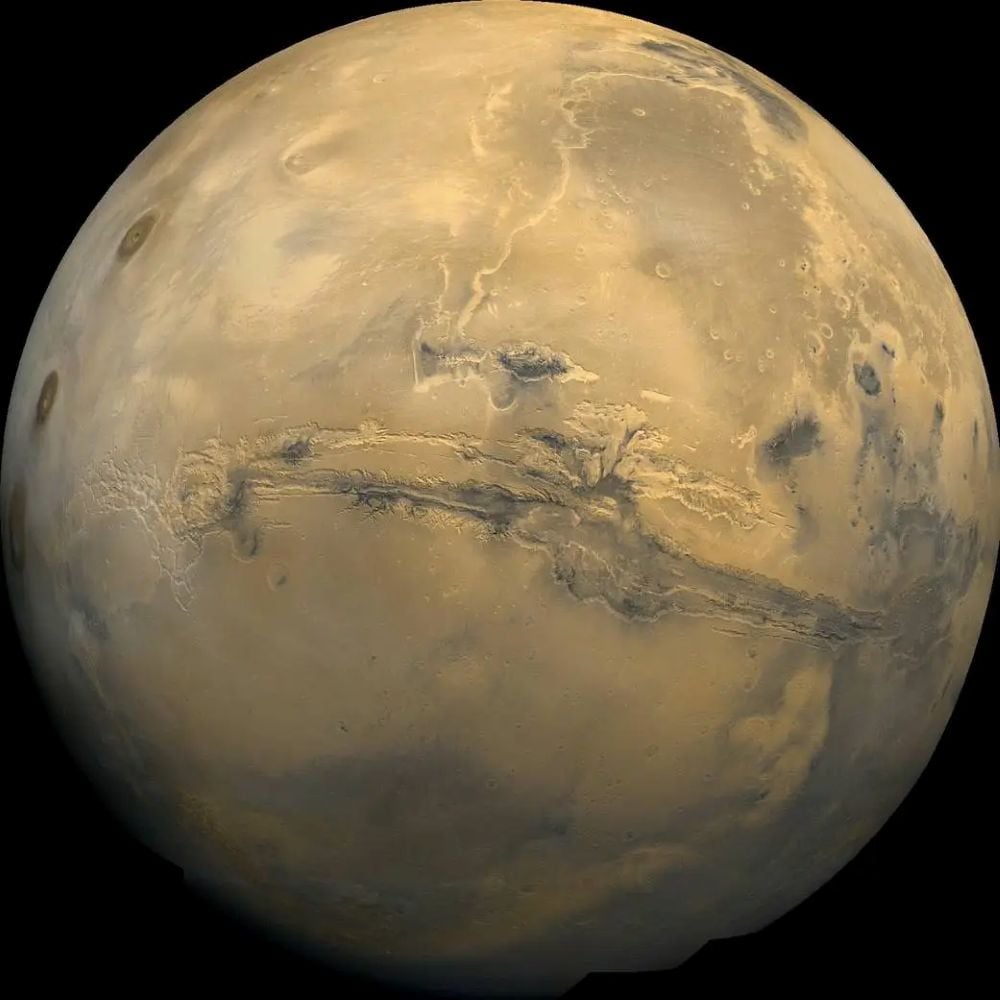
New research indicates the giant Martian canyon system is still tectonically active, with faults reactivating and the crust straining today.

Phys.org reports a reconstruction of summer temperature change in the Western Balkans spanning 16,000 years, published 21 October 2026.
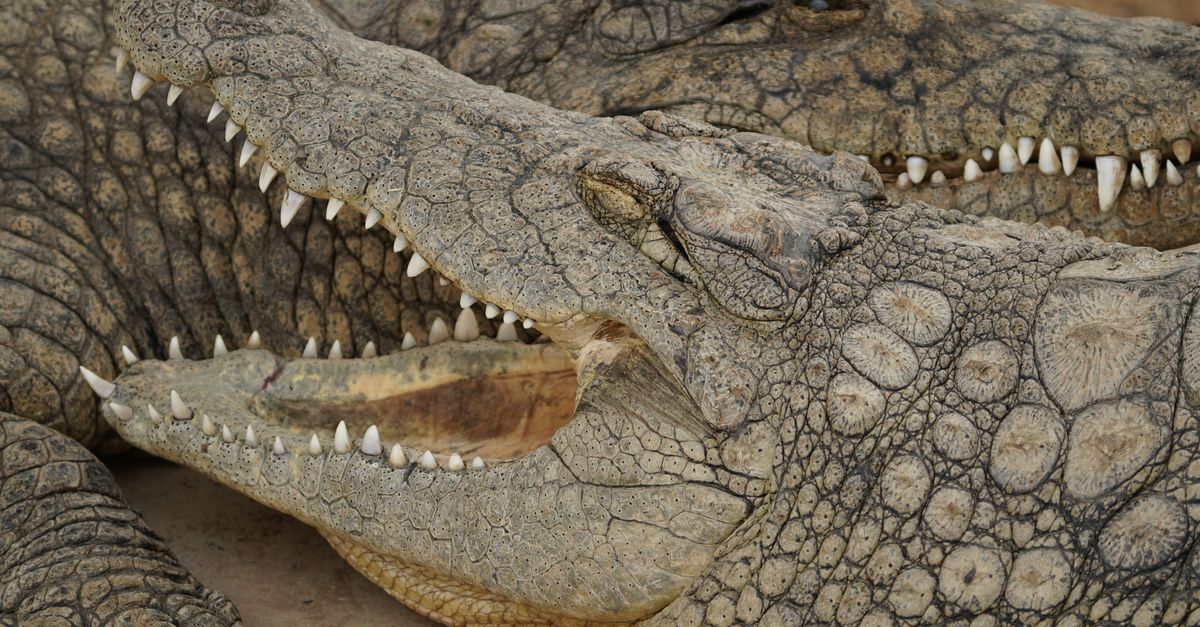
Phys.org reports that staying in warmer regions may have played a role in helping crocodiles survive the extinction event that ended the dinosaurs.

A major quantum computing breakthrough just happened. Here's the truth about what it means for your drugs, your car, and your money—without the hype.
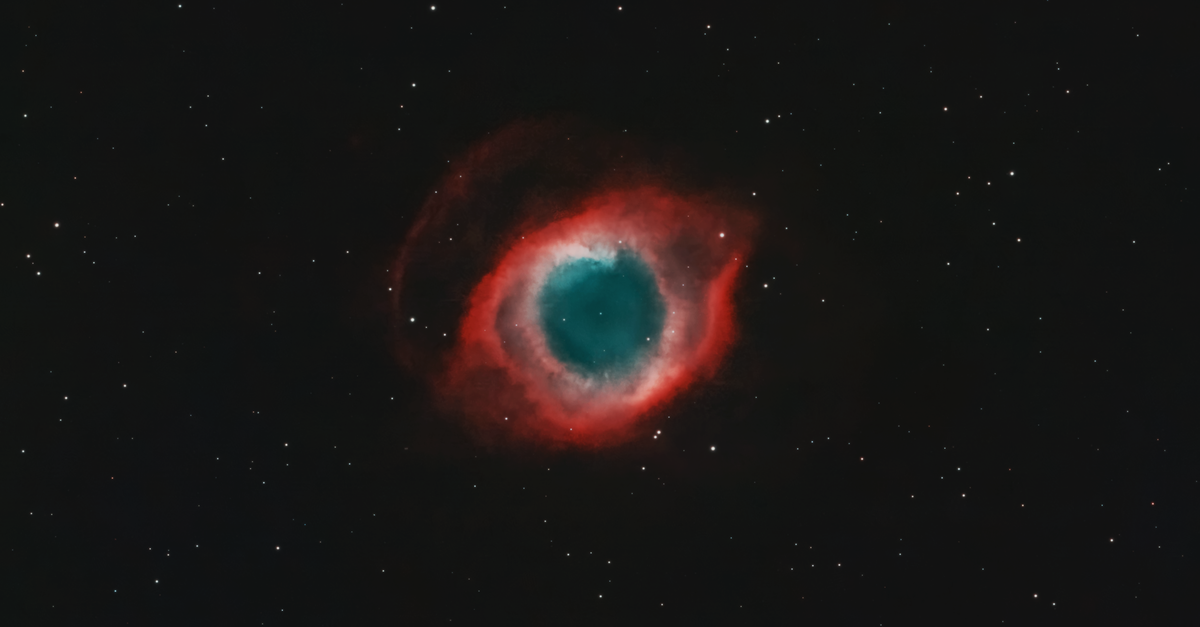
New Hubble observations, reported by Phys.org, cast doubt on whether supernova-driven galactic winds powered the reionization of the early universe.

Varda Space Industries has launched its W-7 mission to study cancer drug crystallization in orbit after raising $251 million, according to Dealroom.

Phys.org reports that NASA's CASALS instrument is helping fill gaps in three-dimensional maps of Earth's surface.

Phys.org reports that ultrafast light can steer ferromagnetism without depending on heating, a finding with implications for faster magnetic control.

A new paper in Science looks at the coordinated biting behavior of mosquitoes at the interface where they meet human skin.

Phys.org links a Bering Sea heat wave to an unexpected rise in hybrid crabs, though the outlet has not yet published full details.

NASA's Steve Creech outlined Starship and Blue Moon development timelines at IAC, with Artemis III set for Q3 2027 and a crewed landing on Artemis IV.
Phys.org reports that bacteria may offer uses beyond infection, including producing medicines and helping protect crops.

A Nature study describes a hybrid model that combines S-N curve physics with data-driven learning to forecast how long materials last under repeated stress.
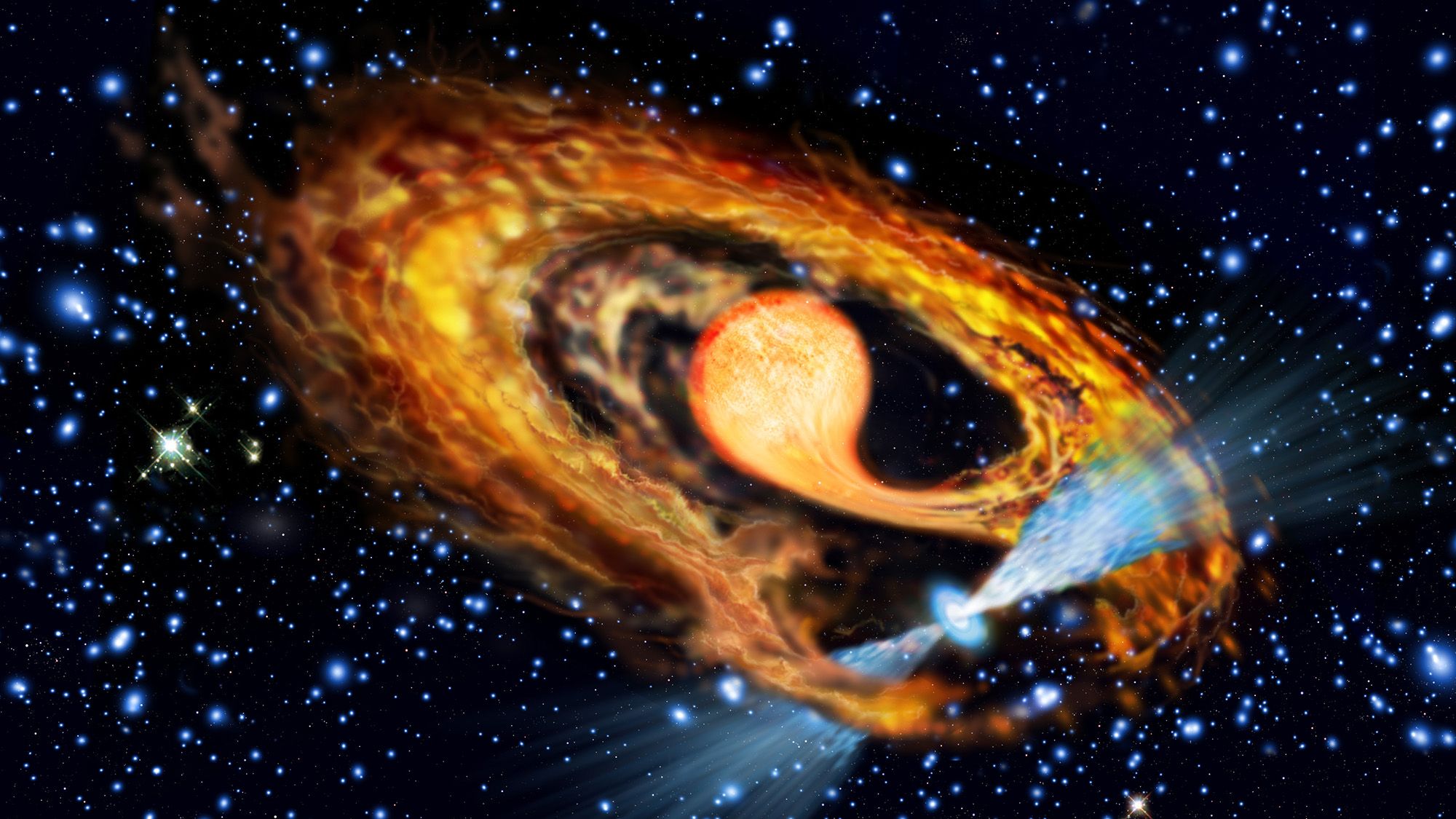
Astronomers found the lightest known pair of neutron stars, and its orbital motion matches general relativity to about 1%, Live Science reports.

Phys.org reports that genome data from 20 species in eastern Finland offers new insight into how organisms adapt to their local conditions.

The Leverhulme Trust award recognises the ant-plant researcher's internationally noted work and his future potential, Mirage News reports.
Phys.org reports that targeting a specific gene may improve both the flavor and cold tolerance of tea plants.

Astronomy Magazine says the Orionid meteor shower peaks before dawn on Wednesday, October 21, with debris from Halley's Comet producing colorful fireballs.
AZoM reports new evidence connecting electron spin fluctuations to high-temperature superconducting states, with other outlets describing a possible "smoking gun."

Researchers say rare shocked quartz and feldspar found beneath the North Sea prove an asteroid impact created the Silverpit Crater 43 to 46 million years ago.

Phys.org reports that oxygen collisions have produced evidence of jet quenching, a signature associated with the matter of the early universe.

A quantum computing breakthrough just produced a result that doesn't fit our physics textbooks. Here's what it means — and why physicists are quietly rattled.

Scientists finally found the universe's missing normal matter hiding in the cosmic web. Here's why it changes everything we thought we knew.
Page 14 of 27