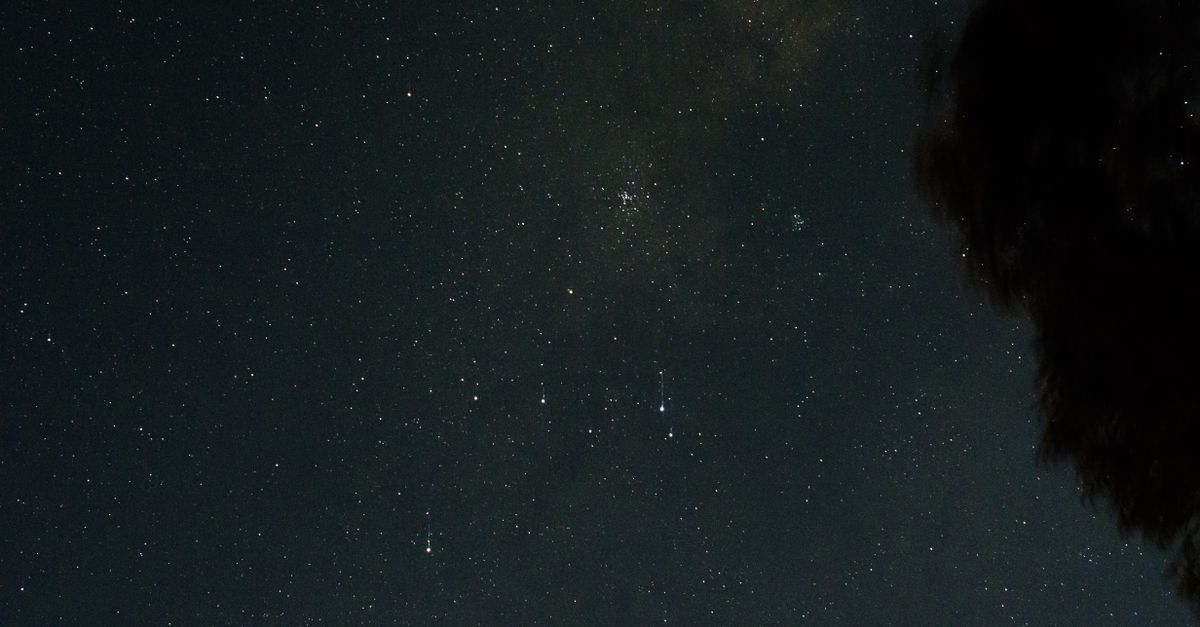
Skywatchers get their best chance at the Orionid meteor shower in the hours before dawn on Wednesday, October 21, according to Astronomy Magazine. The shower is the annual result of Earth passing through debris left behind by Halley's Comet, and Discover Magazine reports that this year's peak could include colorful fireballs.
Coverage of the event has spread well beyond one region. Outlets in Tennessee, the United Arab Emirates and Metro Vancouver have all published viewing guides for the same week, suggesting the shower is drawing attention across multiple time zones. Those reports point to the same basic advice: the pre-dawn hours are the window to watch.
The Orionids arrive every October when our planet crosses the trail of particles shed by Halley's Comet, the same object that produces the Eta Aquariids in May. The comet itself is not nearby during the shower; only its scattered dust is, burning up as it hits the atmosphere. Discover Magazine's description of bright fireballs is consistent with the shower's reputation for occasional standout streaks rather than a steady, heavy rate.
For observers, the practical takeaway from the Astronomy Magazine report is timing. The shower favors the early morning, so anyone hoping to see it should plan around the hours before sunrise rather than the evening.
What to watch next: whether observers in the regions covered by these reports confirm the fireball activity Discover Magazine highlighted, and how the shower's display compares with previous Orionid peaks.