Let me tell you something: I never thought I’d write about a church service in a food category column.
But here we are. And no, I haven’t lost my mind.
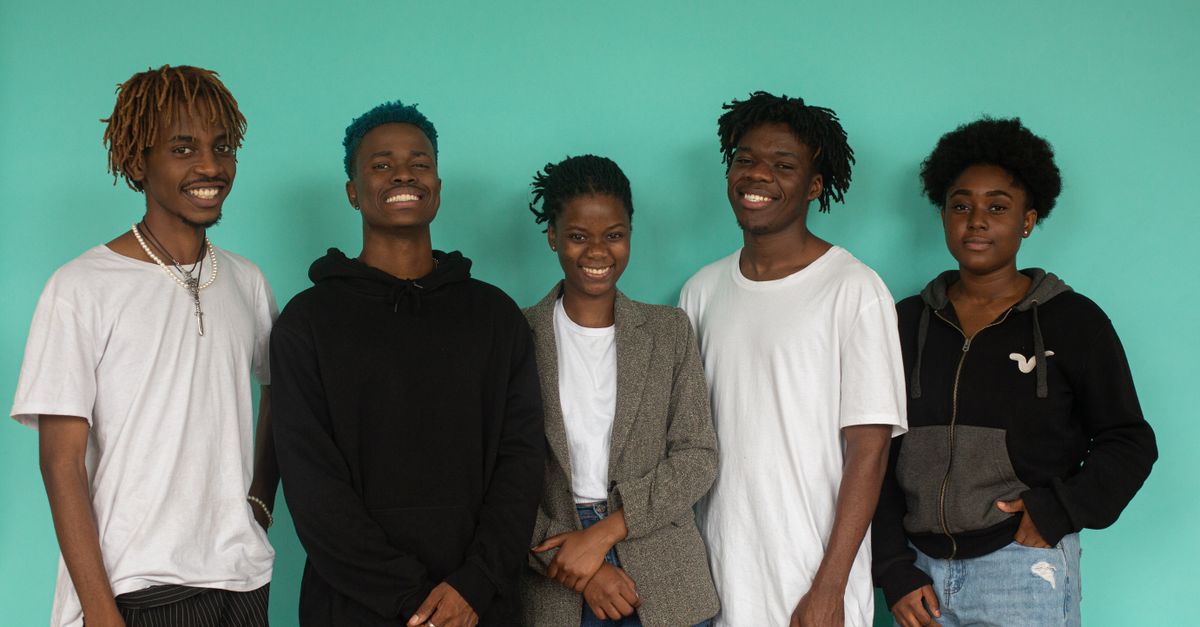
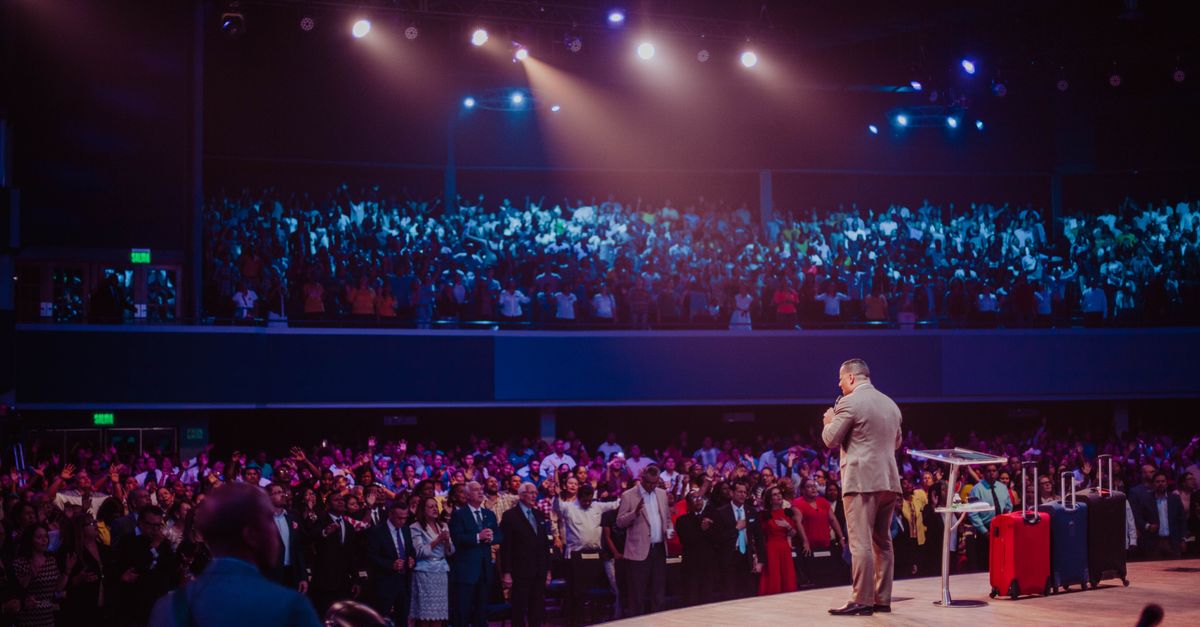
Last Sunday, I found myself standing in the middle of Christ Embassy Loveworld Arena in Ho, watching hundreds of young people — think 18 to 35 — stream in for service. And I wasn’t there for the sermon. I was there because my cousin dragged me, promising “the best jollof you’ll ever eat after church.”
That’s when it clicked. This isn’t just a church. It’s a culinary event disguised as worship.
You see, most people miss the real story. They see the packed auditorium, the energetic praise, the trendy outfits. But look closer. What’s actually drawing this crowd? Sure, the Word is powerful. But let’s be honest — in 2024, young people in Ho have options. They could stay home and watch Pastor Chris online. They could hit the local chop bar. So why are they choosing Loveworld Arena?
I’ve found that food is the secret sauce — literally and figuratively.

The Sunday Service That Feeds You Twice
Here’s what most people miss: Christ Embassy Loveworld Arena doesn’t just feed your spirit; it feeds your stomach.
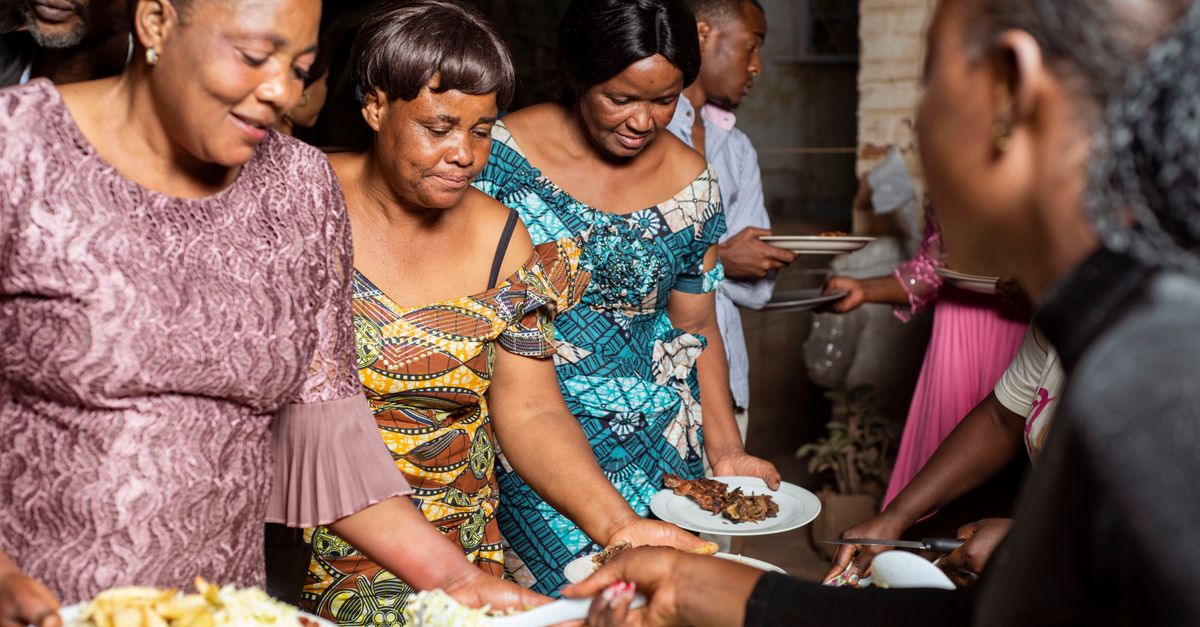
After service, the fellowship hall transforms. Long tables appear. Ladies in aprons bring out massive pots. The smell hits you before you see it — smoky, spicy, savory. We’re talking banku with grilled tilapia, waakye with shito and egg, fufu with light soup. And yes, the jollof is legendary.
I asked a group of University of Health and Allied Sciences students why they come. One guy named Kwesi laughed. “Bro, where else can I get a full plate of jollof with chicken for 15 cedis after church? That’s cheaper than the chop bar. And it tastes better.”
He’s not wrong.
Let’s break down the economics:
- A typical Sunday lunch in Ho: 25-40 cedis for a decent meal
- Loveworld Arena fellowship meal: 10-15 cedis
- The vibe: Free entertainment, good music, social hangout
The Hidden Kitchen Culture Nobody Talks About
I spent two hours in the church kitchen last Sunday. Yes, I charmed my way in. What I saw changed my perspective.
The kitchen at Loveworld Arena runs like a professional catering operation. No joke. There are schedules, inventory sheets, and a head chef who previously worked at a hotel in Accra. The youth volunteers rotate shifts. They’ve got industrial-size pots, proper hygiene protocols, and a menu that changes weekly.
Pastor Mensah, the youth pastor, told me something interesting: “We realized young people want authentic Ghanaian food. Not the watered-down versions you get at some events. So we source fresh peppers from the market, get our tilapia from Keta, and make our shito in-house.”
This is genius.
Most churches treat food as an afterthought — some biscuits and Fanta after service. Loveworld Arena treats it as ministry. And young people notice. They’re telling their friends: “Come to my church. The food is banging.”
Word-of-mouth marketing stronger than any billboard.
Why This Matters More Than You Think
Let’s zoom out for a second.
Ho is growing. The youth population is exploding. But here’s the thing — young people are tired of boring Sundays. They’ve grown up with Instagram, TikTok, and endless entertainment options. A traditional church service that runs three hours with no social component? That’s a hard sell.
Loveworld Arena figured out a secret: Food creates community faster than any sermon can.
I’ve seen it firsthand. Strangers become friends over a shared plate of waakye. Conversations start naturally. People linger after eating — chatting, laughing, exchanging numbers. The food becomes a social lubricant that breaks down walls.
One young woman named Akua told me: “I came for the food the first time. Now I come for both. The cooking team is like my family. We pray together, cook together, eat together.”
That’s powerful.
And here’s the part that food bloggers like me find fascinating: the menu rotation keeps people coming back. One Sunday it’s fufu with goat light soup. Next week, it’s jollof with grilled chicken and salad. Then banku with okro stew. The variety prevents boredom. It’s almost like a restaurant with a changing special — except the main course is the Word.
The Real Reason Young People Are Flocking
I’m going to say something controversial: It’s not just about the food.
But it’s not just about the church either.
Young people in Ho are hungry — for connection, for meaning, for experiences that feel authentic. The traditional model of “show up, sit down, listen, go home” doesn’t cut it anymore. They want to participate, contribute, and belong.
Loveworld Arena offers that through food.
Here’s what I observed:
- Young people volunteer to cook — they take ownership
- They bring recipes from their hometowns — sharing culture
- They learn cooking skills — practical value beyond Sunday
- They build networks — business connections over banku
- They find mentors — older members teach cooking, life advice flows naturally
Pastor Chris Oyakhilome’s vision for Loveworld includes creating spaces where young people thrive. In Ho, that vision is being lived out through pots of waakye and plates of fufu.
A Warning: Don’t Copy This Wrong
I’ve talked to other church leaders in Ho who are jealous of Loveworld Arena’s youth turnout. Some have tried to copy the model — adding food after service. But it’s failing.
Why?
Because you can’t fake authenticity.
One church started serving plain rice and stew. Young people came once, complained, and never returned. Another tried charging 20 cedis for a meal — too expensive. A third didn’t involve the youth in planning — the food felt like an obligation, not a ministry.
The lesson: If you’re going to do food, do it right. Invest in quality. Listen to what young people actually want. Let them lead.
Loveworld Arena succeeded because they:
- Asked young people what they wanted to eat
- Let youth volunteers run the kitchen
- Kept prices affordable (subsidized by church offerings)
- Made it a social experience, not just a feeding program
- Rotated menus to keep it fresh
What This Means for Food Culture in Ho
Here’s where I get excited as a food writer.
Ho is developing its own food identity, and churches like Loveworld Arena are playing a role. Young people are discovering traditional dishes they might have ignored. They’re learning to appreciate homemade shito versus the bottled stuff. They’re demanding better quality in their everyday eating.
I’ve noticed more young people asking for recipes, sharing food photos on Instagram, and even starting small food businesses inspired by what they experience at church. One guy named Emmanuel now sells waakye on campus — he learned his recipe from the Loveworld kitchen.
That’s the ripple effect.
When you feed young people well, you don’t just fill their stomachs. You shape their tastes, their habits, and their futures.
The Bottom Line
If you’re a young person in Ho and you haven’t visited Christ Embassy Loveworld Arena on a Sunday, you’re missing out. Not just on the Word — though that’s solid too. You’re missing out on some of the best church food in the Volta Region.
And if you’re a church leader wondering why your youth ministry is struggling, maybe the answer isn’t a new sound system or a flashy event. Maybe it’s simpler.
Maybe it’s a pot of jollof.
I’ll be back next Sunday. Not just for the food — though that’s a big reason. I’m coming back for the community, the energy, and the reminder that faith doesn’t have to be dry. It can be delicious.
See you at the table.


