
Here’s a little-known fact to kick things off: the global superfoods market is projected to hit over $200 billion by 2027, yet most of that spending is funneled towards the same dozen or so trendy items. We’re in a cycle of acai bowls, chia puddings, and yes, the infamous avocado toast. Don’t get me wrong—I love a good smashed avo as much as the next person. But our collective culinary obsession is leaving a whole world of incredible, nutrient-dense, and frankly, more interesting foods languishing on the sidelines.
It’s time to look beyond the Instagrammable usual suspects. As a foodie, the thrill is in the discovery, right? The hunt for that next incredible flavor, that unique texture, the ingredient that makes you feel genuinely amazing. I’ve found that some of the most powerful foods aren’t on a trendy café menu; they’re hiding in plain sight, often in the bulk bins or frozen section of your grocery store.
Let’s be honest, the term “superfood” is overused. But when something is packed with a staggering array of vitamins, minerals, antioxidants, and unique compounds, and it’s delicious to boot, it earns the title in my book. Here are three underrated superfoods that deserve a prime spot in your kitchen.

The Protein Powerhouse You’re Probably Overlooking: Hemp Hearts
When you think of plant-based protein, what comes to mind? Lentils, chickpeas, maybe tofu? Here’s what most people miss: hemp hearts. These tiny, soft seeds from the hemp plant (yes, that hemp, but totally non-psychoactive) are a nutritional jackpot. They contain all nine essential amino acids, making them a complete protein—a rarity in the plant world. Just three tablespoons give you about 10 grams of protein.
But the benefits don’t stop there. They’re an excellent source of omega-3 and omega-6 fatty acids in the ideal ratio for human health. They’re also rich in magnesium, iron, and fiber. The best part? Their flavor is subtly nutty and creamy, not overpowering at all. They don’t need to be cooked or soaked, which makes them the ultimate “sprinkle and go” superfood.
How to use them: The Ultimate Topper: This is my go-to. Sprinkle them on oatmeal, avocado toast (see, I haven’t totally forsaken it!), salads, or soups for an instant protein and texture boost. Blend Them In: Add a couple of tablespoons to your morning smoothie. You won’t taste them, but you’ll feel the difference in sustained energy. Make “Hemp Parm”: Pulse hemp hearts with nutritional yeast, a bit of garlic powder, and salt. It’s a fantastic dairy-free “cheese” topping for pasta or popcorn.
The Ancient Grain That’s a Modern-Day Gut Hero: Freekeh
Move over, quinoa. There’s an ancient grain with a funny name that’s about to become your new best friend: freekeh (pronounced free-kah). This is young green wheat that’s harvested while the grains are still soft, then roasted and rubbed. That process gives it a unique, slightly smoky flavor and a chewy, satisfying bite that puts other grains to shame.
Nutritionally, freekeh is a star for your gut. It’s packed with fiber—often twice as much as quinoa and four times as much as brown rice. This prebiotic fiber is like fuel for the good bacteria in your digestive system. It’s also high in protein, iron, and calcium. I love its robust personality; it doesn’t get mushy, making it perfect for meal prep.
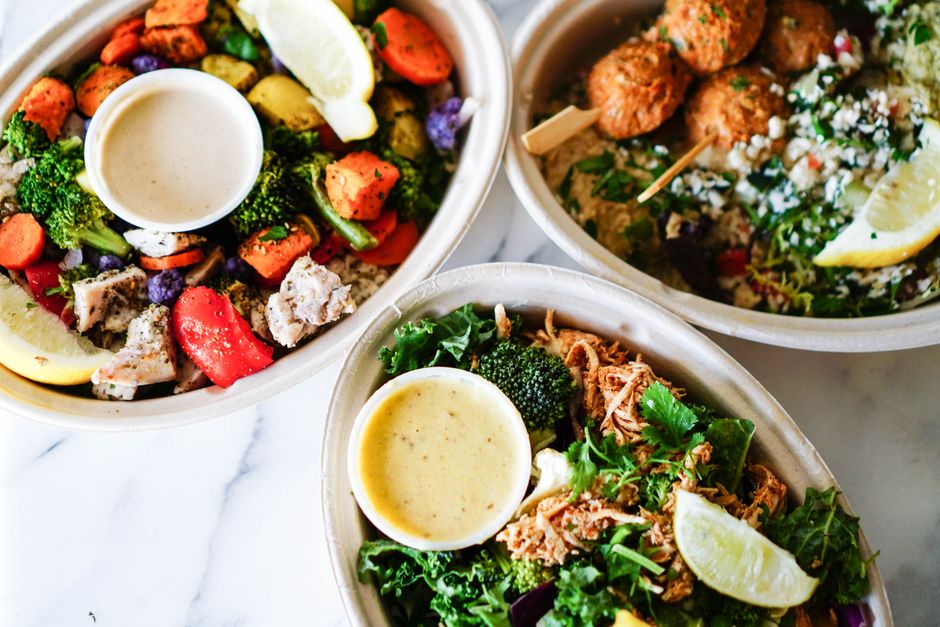
How to use it: The Base of Epic Bowls: Use it as you would rice or quinoa. Its smoky flavor pairs brilliantly with roasted vegetables, a zesty lemon-tahini dressing, and some crispy chickpeas. Hearty Soups and Salads: Add cooked freekeh to soups for extra heartiness, or use it as the main component in a sturdy salad that won’t wilt by lunchtime. A Breakfast Alternative: Cook it with cinnamon and almond milk for a warm, fiber-rich breakfast porridge. Top with nuts and fruit.
The Vibrant Root That Packs a Anti-Inflammatory Punch: Black Radish
We all know the humble red radish, but its gothic cousin, the black radish, is the underground superstar you need to meet. On the outside, it looks like a dirty, unassuming turnip. Slice it open, and you’re greeted with a shock of crisp, bright white flesh that has a bold, peppery kick—more intense than a daikon or red radish.
This root vegetable has been used in traditional medicine for centuries, and for good reason. It’s renowned for supporting liver and digestive health. It’s loaded with vitamin C, antioxidants, and sulfur-containing compounds that have potent anti-inflammatory and detoxifying properties. It’s a foodie’s ingredient because of its complex flavor: pungent, sharp, and clean.

How to use it: Shave It Thin: The key is to slice it paper-thin, ideally on a mandoline. Toss it into salads for a serious peppery crunch. It stands up beautifully to rich flavors like blue cheese and walnuts. Quick-Pickle It: Thinly slice or julienne and quick-pickle in a mix of rice vinegar, salt, and a touch of sugar. It mellows slightly and becomes an incredible tangy, crunchy condiment for tacos, sandwiches, or grilled fish. Grate It: A small amount grated into coleslaw or a grain salad adds a wonderful depth of flavor. A little goes a long way!
The common thread with these underrated superfoods? They bring something more than just nutrients to the table—they bring character. Hemp hearts add creaminess and ease, freekeh brings smoky heartiness, and black radish delivers a bold, cleansing punch. Exploring these ingredients makes cooking exciting and nourishing in a way that following the latest trend often doesn’t.
So, I challenge you this week: skip the overpriced avocado toast just once*. Venture to a new aisle, pick up one of these under-the-radar ingredients, and play. Your taste buds—and your body—will thank you for the adventure. What’s the most surprising "superfood" you've discovered lately?



