
Picture this: You’re at a trendy restaurant, menu in hand. Your friend, a committed vegan for years, is happily ordering the jackfruit tacos. You, however, are eyeing the grass-fed, locally sourced beef burger. A few years ago, this might have sparked a quiet side-eye. But in 2024, you both might just be making a conscious choice for the planet. The vegan is thinking about animal welfare. You, considering the carbon footprint of your meal, might just be a climatarian.
It’s a term popping up on food blogs, in supermarket aisles, and in dinner party conversations. But is it simply veganism in a new coat of paint? Or is it a more nuanced, and perhaps more accessible, food philosophy for our times? Let’s dig in.

The Carbon on Your Plate: It’s More Than Just Cow Burps
We all know the headline: animal agriculture is a major emitter of greenhouse gases. But here’s what most people miss: not all foods are created equal, even within categories. A beef steak from a deforested ranch in Brazil has a wildly different planetary impact than lamb raised on regenerative Scottish hillsides that capture carbon. A salad in December made with lettuce flown from Chile has a bigger footprint than you might think.
The climatarian diet flips the script. Instead of a blanket “no animal products” rule, it asks: "What is the lowest-impact choice I can make right now?" It’s a diet guided by carbon calculus, with a side of common sense. The core principle is reducing the overall greenhouse gas emissions of your grocery cart. Sometimes, that means choosing plants. Sometimes, it means choosing better meat or seafood. It’s inherently flexible.
The Climatarian's Shopping List: Principles Over Prohibitions
So, what does this actually look like in the supermarket? It’s less about a strict list of "cans" and "can'ts" and more about a set of guiding stars. I’ve found that focusing on these pillars makes it feel empowering, not restrictive.
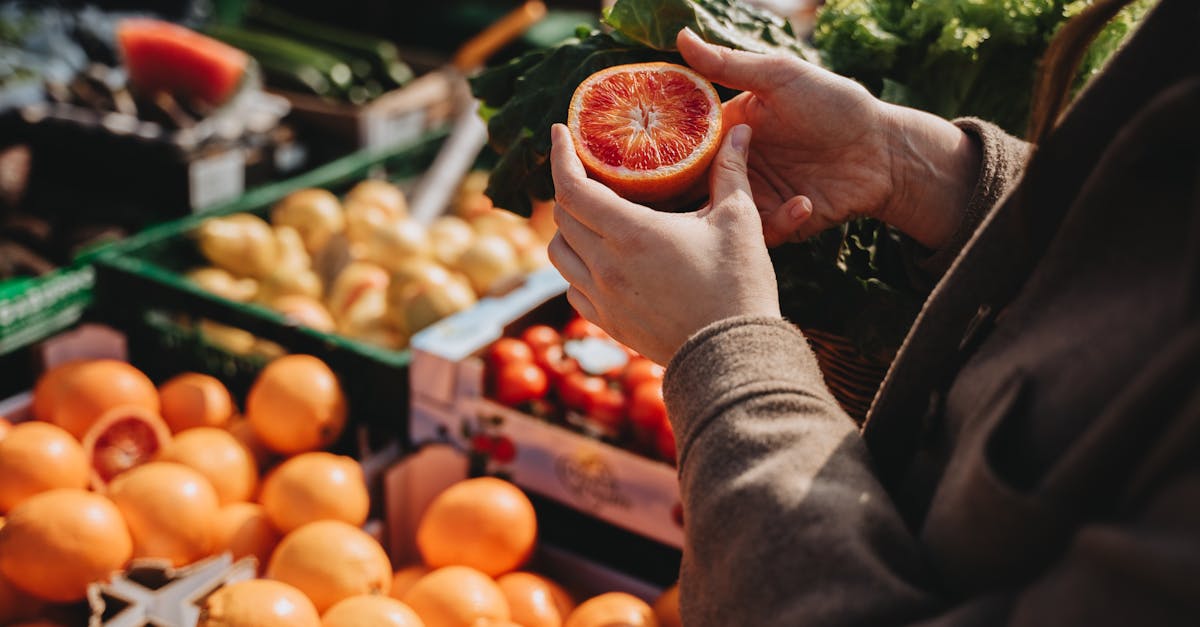
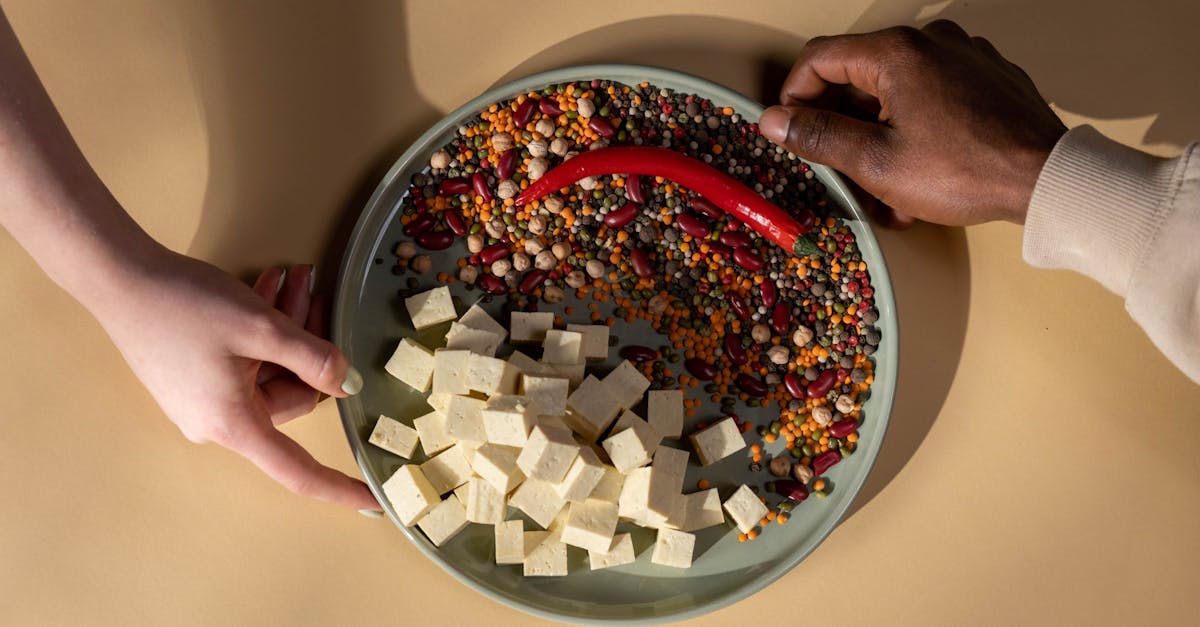
Prioritize Plants, Especially Pulses: This is where climatarian and vegan align beautifully. Beans, lentils, and chickpeas are absolute rockstars—low footprint, high nutrition, and soil-friendly. Re-think Your Protein: If you eat animal products, the mantra is "less and better." Shift focus from beef and lamb (the highest emitters) to poultry, pork, or sustainable seafood. When you do choose red meat, make it an occasional, high-quality choice. Embrace Seasonality and Locality: That strawberry in January? It’s likely a climate villain. Eating what’s in season near you cuts down on transportation (food miles) and energy-intensive greenhouse growing. Waste Nothing: Let’s be honest, a rotting head of lettuce in your fridge is a double loss—your money and all the resources used to grow and transport it. Planning meals and using leftovers is a low-key superpower for the planet.
Vegan vs. Climatarian: Allies, Not Rivals
It’s easy to frame this as a dietary debate. But viewing them as competing teams misses the point. They are different strategies with a shared goal: a more sustainable food system.
Veganism is a moral stance against animal exploitation, with massive environmental benefits as a powerful side effect. It’s a clear, binary choice.
Climatarianism is an environmental stance focused on carbon emissions, with dietary flexibility. It’s a spectrum of better choices.
The truth is, a vegan diet is often a lower-carbon diet. But a climatarian approach might be more realistic for many, creating a wider tent for people to start making impactful changes without feeling they have to swear off cheese forever. The enemy isn’t the occasional egg; it’s the mindless consumption of high-impact foods every single day.
Your 2024 Food Revolution: Small Shifts, Big Ripples
This isn’t about achieving dietary purity. It’s about progress. In 2024, with the impacts of climate change feeling more visceral, our plates are a place where we can exercise direct agency.
Start with one swap. Next time you’re planning a bolognese, try a half-meat, half-lentil mix. It’s delicious, cuts your carbon footprint for that meal nearly in half, and saves you money. Choose the ugly, in-season tomatoes over the perfect, imported ones. Support the local farmer who’s rotating crops and raising animals on pasture. These choices send market signals. They add up.
The Most Sustainable Meal is the One You Actually Eat
The final piece of the puzzle is you. A diet you can’t sustain isn’t sustainable for the planet either. The beauty of the climatarian mindset is its adaptability. It works whether you’re cooking for a family on a budget, navigating dietary restrictions, or just trying to make it through a busy week.
So, is 'climatarian' the new vegan? Not exactly. It’s its own evolving path—a bit messier, perhaps, but deeply pragmatic. It acknowledges that our food systems are complex and that engagement is better than perfection.
This year, let’s move beyond food tribes and toward a collective consciousness about our plates. Don’t just ask, "Is this vegan?" Start asking, "Where did this come from? What did it cost the planet? Is there a better choice?" Your fork is a powerful tool. Use it to vote for a future that’s not just fed, but nourished.



