
Let me tell you something I wish someone had told me years ago: eating more plant-based protein doesn't have to mean choking down bland tofu or gritty shakes. For the longest time, I thought "high-protein" and "delicious" were mutually exclusive in the plant kingdom. I was so, so wrong.
The real game-changer wasn't just finding protein sources, but learning how to hack them—using simple, science-backed tricks to unlock their full flavor and nutritional potential. It’s the difference between a sad, crumbly veggie burger and a juicy, satisfying meal that makes you forget you’re even eating "health food."
Ready to make your meals more satisfying and protein-packed without the culinary boredom? Let's dive in.

Hack #1: The Umami Bomb (It’s Not Just Soy Sauce)
Here’s what most people miss when cooking with plants: they lack umami, that deep, savory, mouthwatering quality found in meat and aged cheeses. Without it, food can taste flat. The hack? You need to build layers of savory flavor.
Enter nutritional yeast and miso paste. Nutritional yeast (or "nooch," as it's lovingly called) is a deactivated yeast that’s a complete protein, packed with B-vitamins, and has a naturally cheesy, nutty flavor. Science shows that its glutamic acid content is what triggers those umami receptors on your tongue. I’ve found that a tablespoon or two stirred into soups, sauces, or even sprinkled on popcorn is a total flavor and protein boost.
Miso, a fermented soybean paste, works similarly. A spoonful whisked into a marinade for tempeh or stirred into a lentil soup doesn’t just add saltiness—it adds a profound depth that makes the entire dish more robust and satisfying. It’s a fermented food, so you’re also getting gut-friendly probiotics. Win-win.
Hack #2: The Texture Transformation
Let’s be honest, the texture of some plant proteins can be… challenging. Mushy lentils, rubbery seitan, or bean patties that fall apart. The hack here is all about technique, not just ingredients.
Take lentils and beans. Instead of just boiling them, try this: after cooking, spread them on a baking sheet, toss with a little oil and spices, and roast them at 400°F for 20-30 minutes. This caramelizes their natural sugars, crisps up the exterior, and creates a meaty, satisfying crunch. This method, backed by the Maillard reaction (the same browning that makes seared steak delicious), transforms them from a side dish to the star. Toss them in salads, grain bowls, or eat them as a snack.
For tofu, pressing is key, but don’t stop there. Try freezing it first. Seriously. Slice it, freeze it solid, then thaw it. This creates a spongy, porous texture that soaks up marinades like a dream and gives it a much heartier, almost chicken-like chew. It’s a total texture game-changer.

Hack #3: The Complete Protein Combo (Myth-Busting Edition)
You’ve probably heard the old myth: you have to combine specific plant proteins (like rice and beans) in the same meal to get a "complete protein" (containing all nine essential amino acids). Modern nutrition science has debunked this. Your body is smart—it pools amino acids from foods you eat throughout the day.
The real hack is simpler: aim for variety. By eating a diverse range of plant-based protein sources across your day and week, you’ll naturally cover your bases. Think of it as your protein portfolio.
Here’s an easy daily checklist: Legumes: Lentils, chickpeas, black beans, peas. Whole Grains: Quinoa (a rare complete plant protein!), oats, farro, brown rice. Nuts & Seeds: Hemp seeds (huge protein punch!), almonds, pumpkin seeds, chia. Others: Tofu, tempeh, edamame, spirulina.
By mixing and matching, you’re not just getting complete proteins; you’re getting a wider spectrum of vitamins, minerals, and fiber.
Hack #4: The Sneaky Blender Boost
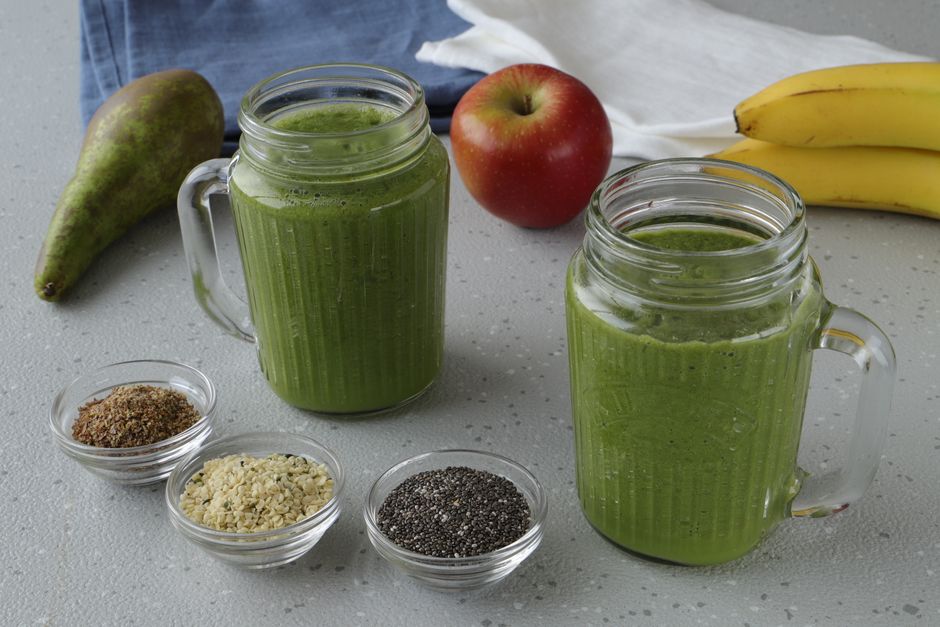
This might be the easiest hack of all. Your blender is a plant-based protein powerhouse. It’s not just for smoothies. You can "fortify" so many everyday foods without altering the taste dramatically.
Oatmeal or Pancake Batter: Blend a handful of canned white beans or cooked lentils into the liquid before mixing. The flavor disappears, but the creamy texture and protein stay. Research shows this increases the protein and fiber content significantly, promoting greater satiety. Soups & Sauces: Add a scoop of raw cashews or silken tofu when blending a creamy tomato soup or a cheese sauce. They emulsify beautifully, adding richness and a serious protein upgrade.
- Baking: Substitute up to 1/3 of the flour in muffins or brownies with chickpea flour or lentil flour. You’ll add protein and a lovely dense texture.
Hack #5: Flavor Infusion, Not Just Surface Dressing
Marinating isn't just for meat. But with plants, you need to think differently. Because things like tofu, tempeh, and even hearty mushrooms have a dense structure, simply coating them isn't enough. The hack is to create entry points for flavor.
For tofu and tempeh, after pressing, score the surface with a knife in a cross-hatch pattern. This gives the marinade more surface area to cling to and tiny channels to seep into. The science? It breaks down the surface tension, allowing the flavorful liquids to penetrate via capillary action.
Then, use an acid-based marinade with something like citrus juice or vinegar. The mild acidity helps break down the plant's surface just a tiny bit, allowing the savory flavors from soy sauce, spices, and garlic to get in deeper. Let it sit for at least 30 minutes, but overnight is magic. You’re not just flavoring the outside; you’re building flavor from the inside out.
So, there you have it. Moving toward more plant-based protein isn't a sacrifice—it's a culinary adventure. It’s about playing with texture, layering umami, and using your kitchen tools smartly. Start with one hack. Roast those chickpeas. Toss some nooch on your pasta. Your taste buds (and your body) will thank you.
What’s the first hack you’re going to try? Let me know which one becomes a staple in your kitchen.



