
Picture this: a jar of cabbage sitting on a counter, quietly bubbling away, no fridge, no preservatives, no expiration drama. Two weeks later, it's tangy, crunchy, and loaded with more live bacteria than a fancy probiotic capsule that costs four times as much. That's not a food trend — that's chemistry doing its best party trick. And it's exactly why fermented foods have gone from grandma's pantry to the front page of every wellness feed you scroll past.
I've been making my own kimchi and sourdough for years, mostly because I'm cheap and curious in equal measure. But here's what genuinely surprised me: the global fermented food market is projected to blow past $800 billion in the next few years. Eight hundred billion. For cabbage. Let's talk about why.
The Weird Science of Letting Food Rot (On Purpose)
Fermentation isn't rotting — it's controlled decay with better PR. Microorganisms like Lactobacillus break down sugars and starches, producing acids that preserve food and create that sour punch we crave.
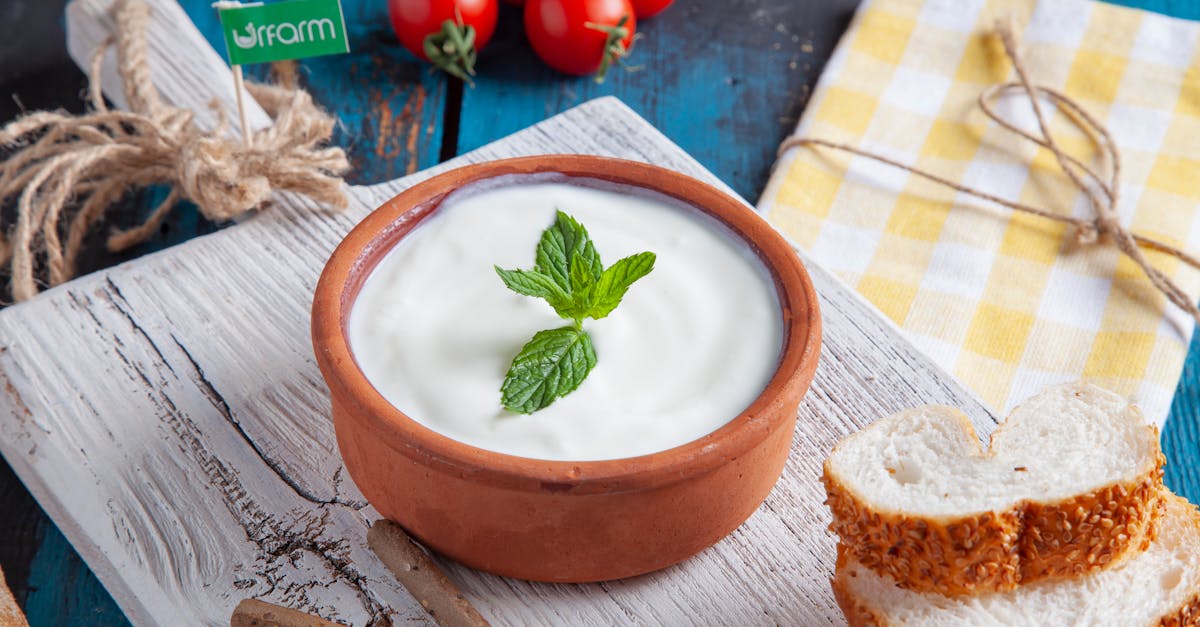
Here's what most people miss: fermented foods are essentially pre-digested. The bacteria do some of the hard work before the food even hits your plate. That's why many people who struggle with regular dairy can handle yogurt or kefir. The lactose is partly broken down already.
I've found that the biggest mental hurdle isn't the science — it's the word "bacteria." We've been trained to fear it. But your gut is home to trillions of microorganisms, and feeding them well is one of the most underrated health habits out there. Fermented foods are basically a care package for your microbiome.

Your Gut Is Screaming — Here's What It's Asking For
Let's be honest: most of us eat a depressing amount of ultra-processed food. Our ancestors fermented by necessity because they had no fridges. We stopped, and our gut bacteria have been filing complaints ever since.
Probiotics — the live cultures in fermented foods — support digestion, and emerging research links gut health to everything from immunity to mood. The gut-brain axis is real, and it's having a moment in scientific circles.
You don't need a supplement subscription. A spoonful of sauerkraut, a cup of kefir, or a scoop of miso in your soup does the job. The irony? The cheapest options are often the most effective. A $6 jar of kimchi beats a $60 bottle of capsules more often than the supplement industry wants you to know.
Five Ferments That Won't Scare You Off
New to this? Skip the intimidating stuff. Start here:
- Yogurt — the gateway ferment. Look for "live and active cultures" on the label.
- Sauerkraut — just cabbage and salt. That's it. Two ingredients, zero excuses.
- Kefir — a drinkable yogurt situation with even more bacterial diversity.
- Miso — stir a spoonful into hot water and you've got soup in 30 seconds.
- Tempeh — a fermented soybean cake that converts skeptics into fans once it's pan-fried.
The Kitchen Experiment That Costs Almost Nothing
Want to actually make something? Start with sauerkraut. Seriously.
Shred a head of cabbage, massage in about 2% salt by weight, pack it tightly into a clean jar, and wait. Within a day or two, you'll see bubbles. That's fermentation happening in real time, and it's genuinely thrilling the first time.
A few rules I've learned the hard way:
- Keep everything submerged under the brine. Oxygen is the enemy here.
- Use clean jars but don't obsess over sterilization — salt does heavy lifting.
- Taste as you go. Fermentation is personal; some like it mild, some like it punchy.
- Trust your nose. If it smells putrid (not just sour), toss it. Your instincts are better than you think.
Where Fermented Foods Fit in a Modern Diet
The beautiful thing about fermented foods is that they're not a diet. They're an addition. A spoonful of kimchi on your rice. A splash of kefir in your smoothie. Miso instead of bouillon.
This is the part wellness influencers skip: you don't need a 30-day cleanse or a $200 starter kit. You need a jar, some salt, and a little patience. Fermentation is one of the oldest food technologies on Earth, and it's having a comeback because it's simple, cheap, and actually works.
So here's my challenge to you: buy one jar of live sauerkraut this week. Or better yet, make one. Then tell me — did it change how you think about "healthy" food? Because I suspect it might.




