
Let’s be honest: plant-based food has a PR problem. For every person who raves about a jackfruit taco, there’s a skeptic convinced that going vegan means saying goodbye to pizza, mac and cheese, and anything that doesn’t taste like lawn clippings. I used to be that skeptic. But here’s the uncomfortable truth I’ve discovered after years of testing recipes, burning pans, and annoying my friends with “try this, it’s just like chicken!” claims: Your favorite comfort foods don’t need animal products to be satisfying. They need better ingredients and a willingness to be wrong about what “real” food tastes like.
The secret? It’s not about deprivation. It’s about swapping — and doing it smartly. Let’s break down the swaps that actually work, the ones that fail, and the science behind why your brain will thank you.
The Mac and Cheese Myth: Why Cashews Are the Real MVP
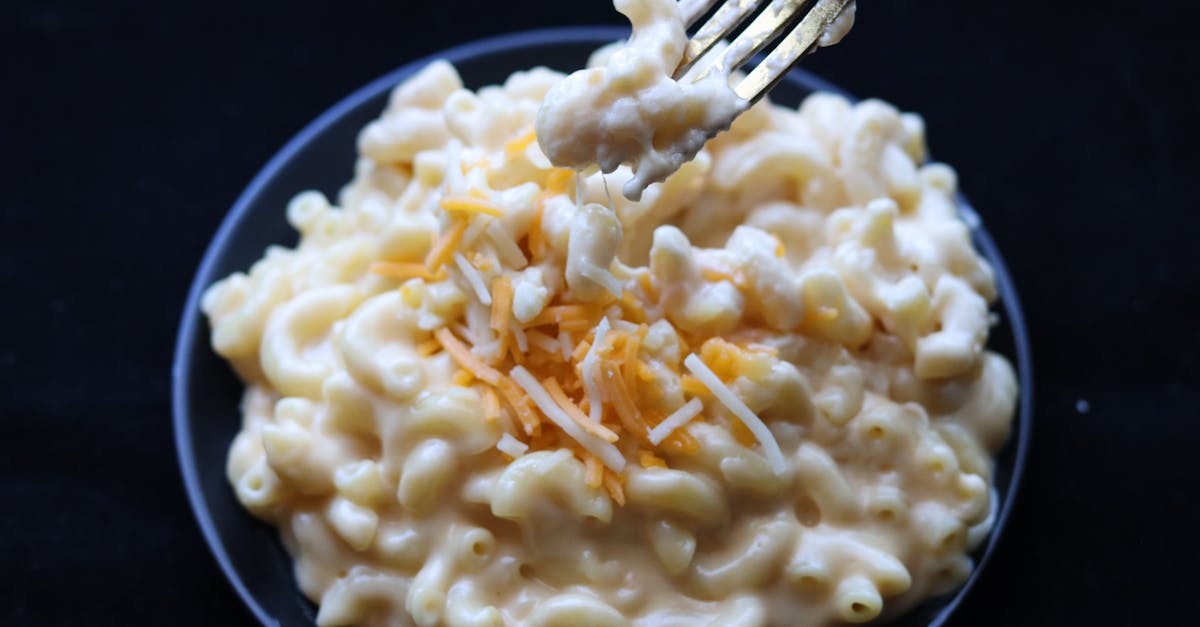
I’ll say it outright: the best vegan mac and cheese doesn’t come from a box. It comes from a blender, a bag of raw cashews, and a pinch of nutritional yeast. Most people miss that the creaminess of traditional mac and cheese comes from emulsified fat and starch. Cashews provide that same silky mouthfeel without the dairy.
Here’s the move: Soak 1 cup of raw cashews in hot water for 15 minutes (or overnight for extra creaminess). Drain, then blend with 1 cup of unsweetened oat milk, 3 tablespoons of nutritional yeast, 1 teaspoon of garlic powder, 1 teaspoon of onion powder, and a dash of smoked paprika. Heat it on the stove with your cooked pasta. I’ve found that adding a tablespoon of white miso paste gives it that funky, umami depth that cheese lovers crave.
Why this works: Cashews are high in oleic acid (a monounsaturated fat) and starch, which mimics the texture of melted cheese. Nutritional yeast provides B vitamins and a savory, cheesy flavor without the cholesterol. The real hack? Add a splash of pickle brine or lemon juice for acidity — it brightens the whole dish.
The Burger Problem: Beyond the Beyond Meat Hype
Let’s address the elephant in the room: store-bought plant-based burgers can be a trap. Brands like Beyond Meat and Impossible Foods are impressive, but they’re processed. Soy protein isolate, coconut oil, and methylcellulose aren’t exactly whole foods. If you’re trying to eat cleaner, you need a better approach.
My go-to swap? Black beans, mushrooms, and walnuts. Here’s the ratio: 1 can of drained black beans (mashed), 1 cup of finely chopped mushrooms (crimini or portobello), and ½ cup of ground walnuts. Mix with breadcrumbs, soy sauce, smoked paprika, and a flax egg (1 tablespoon ground flaxseed + 3 tablespoons water, let sit 5 minutes). Form patties and pan-fry in avocado oil.
Why this combo works: Mushrooms contain glutamates (natural umami compounds) that trick your brain into thinking there’s meat. Walnuts add healthy omega-3s and a crumbly texture. Black beans provide fiber and protein. I’ve found that letting the patties rest in the fridge for 30 minutes before cooking prevents them from falling apart.
The one swap I’d avoid: Using only lentils. They’re too mushy and lack the structural integrity for a burger. Save lentils for soups.
Pizza Night: The Cauliflower Crust Lie and What Actually Works
Cauliflower crust is the darling of the low-carb world, but let’s be real: it’s not pizza. It’s a sad, soggy disc that crumbles under the weight of tomato sauce. If you want a plant-based pizza that holds up, you need to think differently.
My secret? Use a combination of chickpea flour (besan) and oat flour. Mix 1 cup chickpea flour, ½ cup oat flour, 1 teaspoon baking powder, ½ teaspoon salt, and 1 cup water. Let the batter rest for 10 minutes (this hydrates the flours and prevents a gritty texture). Spread it thin on a parchment-lined baking sheet, bake at 425°F for 15 minutes, then add your toppings and bake another 10 minutes.
Why this is better: Chickpea flour is high in protein and fiber, giving you a crisp edge and a chewy interior. Oat flour adds sweetness and structure. The result is a crust that actually holds its shape. Pro tip: Brush the crust with olive oil and minced garlic before baking — it creates a barrier that prevents sogginess.
For the cheese topping, I skip the shredded vegan mozzarella (which often has a waxy texture) and use a homemade cashew ricotta: blend 1 cup cashews, 2 tablespoons lemon juice, 1 tablespoon nutritional yeast, and enough water to reach a creamy consistency. Dollop it on the pizza before baking.

The Chicken Wing Illusion: How to Get That Crispy, Spicy Fix
I’ll admit it: the first time I tried vegan buffalo wings, I wanted to cry. They were either rubbery or fell apart. The problem? Most recipes use tofu or seitan, which lack the fibrous texture of chicken. But there’s a better way.
Enter: oyster mushrooms. King oyster mushrooms, specifically. Slice them into wing-sized pieces, then score the tops with a crosshatch pattern. Toss them in a mixture of cornstarch, smoked paprika, garlic powder, and a pinch of cayenne. Air-fry at 400°F for 12 minutes (or bake at 425°F for 20 minutes, flipping halfway). Then toss in your favorite buffalo sauce.
Why this works: Oyster mushrooms have a natural umami flavor and a meaty, stringy texture when cooked. The scoring allows the sauce to penetrate. The cornstarch creates a crispy shell that holds up against the sauce. I’ve found that using a mix of Frank’s RedHot and melted coconut oil gives the perfect balance of heat and richness.
The one swap to skip: Jackfruit. It’s too sweet and fibrous for wings. Save it for pulled pork-style sandwiches.
Dessert Done Right: The Avocado Chocolate Mousse That Shocks Everyone
Here’s the boldest claim I’ll make: avocado chocolate mousse is better than the dairy version. I know, I know — avocado in dessert sounds like a wellness influencer fever dream. But hear me out.
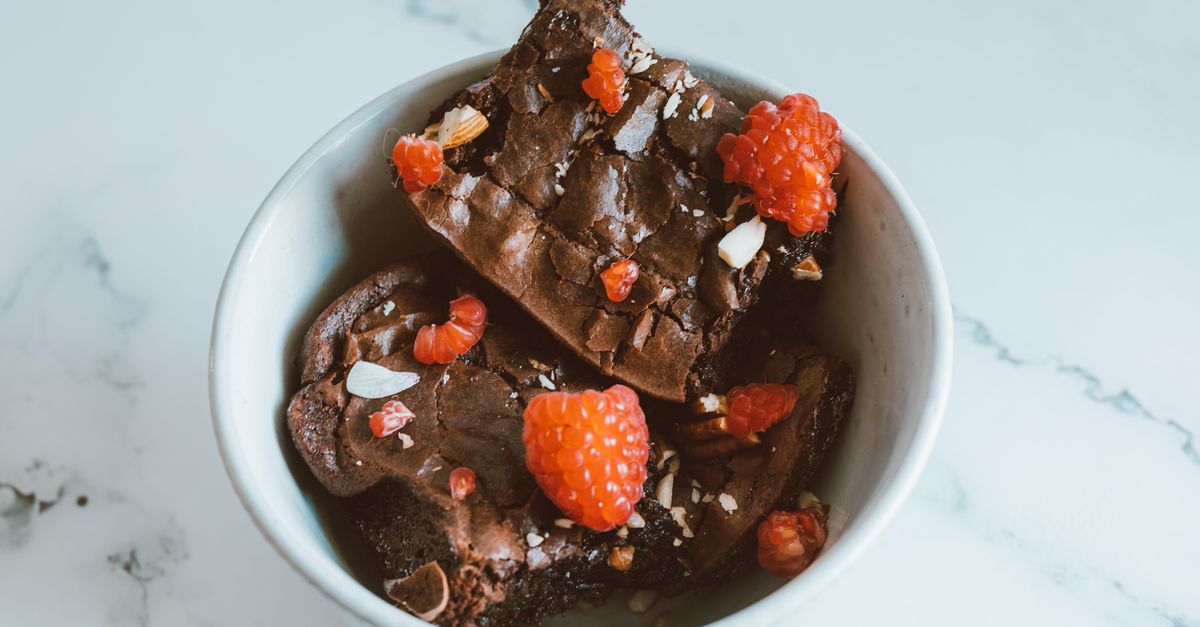
Blend 2 ripe avocados, ½ cup cocoa powder, ½ cup maple syrup, 1 teaspoon vanilla extract, and a pinch of salt until silky smooth. That’s it. The avocado provides healthy monounsaturated fats that give the mousse a velvety texture without the need for heavy cream. Cocoa powder adds antioxidants and a deep chocolate flavor.
Why this wins: Traditional chocolate mousse relies on egg whites and cream for structure. Avocado does the same job without the cholesterol. The key is using very ripe avocados — they should be soft to the touch but not brown. A pro trick: Chill the mousse for at least 2 hours before serving. It firms up and the flavors meld together.
The one swap to avoid: Using bananas as a base. They make it too sweet and add a distinct fruity flavor that clashes with chocolate. Stick with avocado.
The Truth About Plant-Based Comfort Food: It’s Not About Perfection
Here’s what most people miss: plant-based swaps aren’t about replicating the exact taste of meat or cheese. They’re about creating a new experience that’s equally satisfying. Your brain adapts. After a few weeks, you’ll notice that the cashew mac and cheese tastes richer than the boxed stuff. The mushroom wings will feel more flavorful and less greasy.
My final piece of advice? Don’t try to be perfect. Start with one swap — maybe the avocado mousse or the chickpea pizza crust. See how your body feels. The real win isn’t the swap itself; it’s the discovery that you don’t have to sacrifice comfort to eat better.
Now, go make something delicious. Your taste buds (and your future self) will thank you.


