I remember the exact moment I almost threw my camera against the wall. There I was, hunched over a bowl of ramen that had taken me four hours to perfect, and the photo looked like... soup vomit. The noodles were grey, the broth looked like dishwater, and the egg looked like a sad, rubbery eyeball. I posted it anyway. It got 12 likes, three of which were from my mom’s alt accounts.
Then, a week later, I threw a slice of chocolate cake onto a dark slate plate, snapped one photo with my phone, and it blew up—2,000 shares on Pinterest overnight. The difference? The light and the shadows. Not the recipe. Not the fancy camera. The mood.
If you’ve been struggling to get your food to look as good in pixels as it does on the plate, this guide is your lifeline. We’re going dark, we’re getting moody, and we’re making your meals impossible to scroll past.
Why "Bright and Airy" Is Killing Your Engagement
Let’s be honest: the food blogging world has a serious case of “white background syndrome.” Everyone is chasing that Nordic, sunlight-drenched aesthetic with the same white plates and the same beige linen. It’s clean, sure. But it’s also boring as hell.
Here’s what most people miss: The algorithm (and the human brain) craves contrast. When I switched from chasing the sun to hiding from it, my engagement tripled. Moody photography—characterized by deep shadows, rich contrast, and a darker color palette—creates a sense of drama and intimacy. It makes the food look like it has a secret. It whispers, "This is decadent. This is serious. You need this."
If you want your food to go viral, you need to stop showing people a meal, and start showing them a feeling.

The 3 Things You Need to Kill the Light (and Nail the Shot)
You don’t need a studio. You don’t need a $2,000 lens. You need control. Here is the exact recipe I use for 90% of my shots:
- Shoot in "Golden Shade": Forget golden hour. I look for the shadow side of a window. If the sun is blasting your scene, you lose the shadows. You need diffused, soft light that falls off quickly. A sheer curtain is your best friend.
- The Black Foam Core Trick: Place a piece of black foam board (or a black napkin) just out of frame on the opposite side of your light source. This kills the fill light and creates those deep, moody shadows on the food. It instantly adds dimension.
- Expose for the Highlights: This is counter-intuitive. Underexpose your shot slightly. If your camera meter says "0", drop it to "-0.7" or "-1.0". You want to maintain detail in the bright areas and let the shadows fall into beautiful, inky blackness. You can always bring back details in edit, but if you blow out the highlights, the mood is dead.
Set Design: Ditch the Rustic, Embrace the Decay
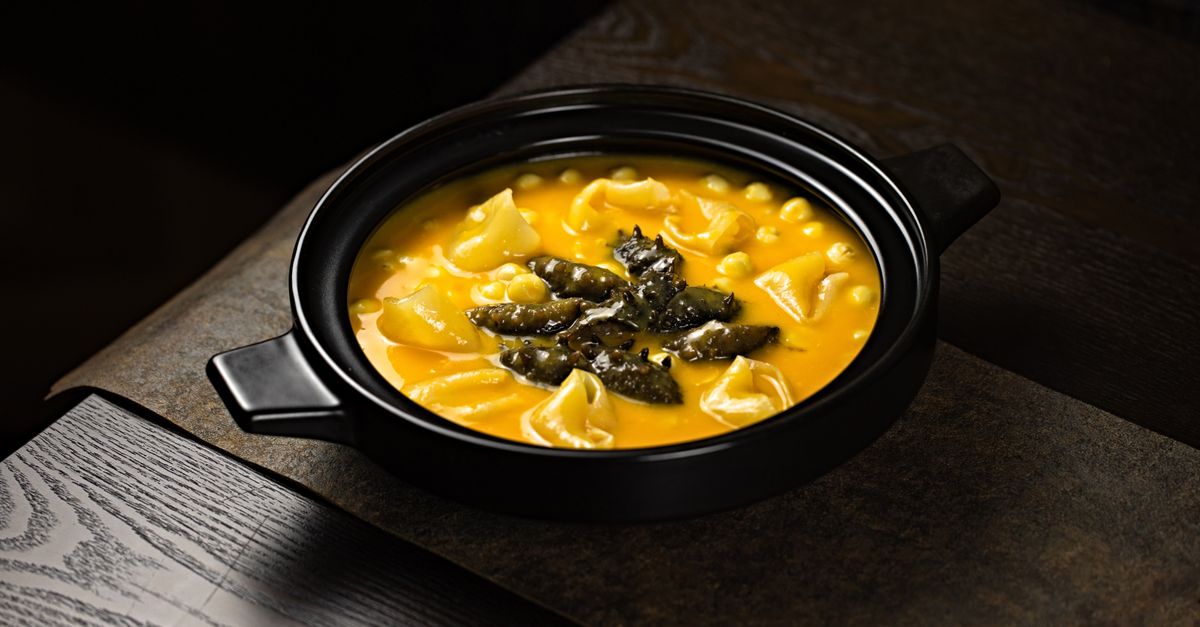
Here’s where we separate the amateurs from the pros. You don't need a rustic wooden table for every shot. In fact, that's become a cliché. To make your meals go viral, you need texture and contrast in your props.
Think about it: You have a glossy, rich piece of steak. What makes it pop? A rough, matte, dark grey stone. You have a silky soup. What makes it look silky? A rough, chipped ceramic bowl.
- Ditch: The white marble, the shiny ceramic, the bright yellow napkins.
- Embrace: Dark slate, weathered wood (painted black or grey), vintage silverware, and fabrics with a high thread count but a dark dye.
The "Golden Ratio" of Composition for Dark Food Pics
There is a specific way to frame a moody shot that makes it pop off the screen. It’s not the rule of thirds. It’s the "Triangle of Interest."
You want the viewer's eye to bounce between three distinct points in the frame:
- The main dish (the hero).
- A supporting element (a fork, a napkin, a glass of wine).
- A "negative space" element—usually a dark corner or an empty plate in the shadows.
Don't center your subject. Put your hero slightly off-center, leaving the empty, dark area to balance the weight. It feels cinematic. It feels expensive.
The Editing Secret That Makes It "Pop" (It’s Not Just a Filter)
Okay, so you got the shot. Now, let's talk about the sauce—the edit. I see people slap a "Moody" preset on a bright photo and call it a day. It looks like a dirty Instagram filter. Don't do that.
Here is the editing formula that makes my food look like it was shot for a magazine:
- Lower the Exposure: Just a touch. Don't crush it.
- Crush the Blacks: Pull the "Blacks" slider down until the darkest parts of the frame are almost pure black. This gives that "expensive" contrast.
- Dehaze is Your Hero: I know, it sounds like a landscape tool. But a little negative dehaze (or positive, depending on your software) adds a subtle matte finish that kills the digital "shine" and adds a creamy texture to the highlights.
- Warm the Highlights, Cool the Shadows: This is the secret sauce. Add a touch of orange to the highlights (the food) and a touch of teal/blue to the shadows. This creates color contrast that makes the meal look juicy and the background look deep.

The "Scroll-Stopping" Caption Strategy
You’ve got the dark, moody, gorgeous photo. Now, what do you write? Don't just list the ingredients. That’s a recipe card, not a viral post.
To make your meal go viral, you need a caption that matches the vibe. Be honest. Be a little dramatic. I usually write a caption that either:
- Tells a story about the failure before the success (people love a redemption arc).
- Gives a controversial opinion (e.g., "This is better than any steakhouse in NYC, fight me.")
- Asks a question that has nothing to do with the recipe (e.g., "What's the one food you'd cheat on your diet for?")
The Bottom Line: Stop Chasing the Sun
The internet is flooded with overly bright, overly saturated, sterile food content. The market is saturated with "clean" aesthetics. To stand out, you have to go where the light isn't.
Moody food photography isn't just a trend; it's a way to elevate your craft. It forces you to think about light, shadow, and composition in a way that "bright and airy" never will. It makes you a better photographer, period.
So, tonight, don't turn on all the lights in your kitchen. Close the blinds. Grab your darkest plate. Make a bowl of pasta, or slice up that cake, and let the shadows do the talking.
Have you tried shooting in the dark yet? Or are you still stuck in the "bright and airy" phase? Drop a comment below—I want to see your moody shots.


