
I have a confession to make. For the first 28 years of my life, I thought "fermented" was just a fancy word for "spoiled." My introduction to the world of live cultures wasn't a delicate glass of kombucha or a chic bowl of kimchi. It was a jar of sauerkraut that exploded in my pantry, painting my ceiling in a pungent, cabbage-scented Jackson Pollock masterpiece.
I stood there, spatula in hand, staring at the mess and wondering what kind of culinary sorcery I had accidentally unleashed. That sticky, sour disaster was my gateway drug. It sparked a curiosity that completely rewired my kitchen (and my digestive tract). Here’s the truth I’ve since discovered: fermented foods aren't just a trend—they are the oldest health hack on the planet, and we’ve been ignoring them in favor of sad, sterile probiotic pills.
Let’s dive into the bubbly, tangy, and life-changing world of fermentation. I promise, by the end of this, you’ll be craving something sour.
The "Dirty" Secret Your Doctor Forgot to Mention
Here’s what most people miss: Your gut is not a passive tube. It’s a bustling metropolis of trillions of bacteria, and the balance of power in that city dictates everything from your mood to your waistline. We’ve spent the last century obsessively scrubbing our environment with antibacterial soap, and while hygiene is great, we accidentally declared war on the good guys too.
When you eat fermented foods, you’re not just eating food; you’re eating a living, breathing ecosystem. You are literally seeding your intestines with beneficial bacteria, or probiotics. But here is the kicker—it’s not just about the bacteria themselves. Fermentation breaks down the food into a form that is easier for your body to absorb. It increases the bioavailability of nutrients. You get more vitamins (like B12 and K2) from a jar of fermented pickles than you do from the vinegar-soaked cucumbers at the deli.
I’ve found that since I swapped my daily smoothie for a shot of kombucha and a side of kimchi, my digestion has gone from a grumpy old man to a happy teenager. No bloating, no 3 PM slump. It’s the difference between putting premium gas in your car and just hoping the check engine light goes away.

Why Your Taste Buds Are Lying to You
Let’s be honest for a second. The first time you try a strong fermented food, your palate might rebel. We are conditioned to crave sweet and salty, not sour and funky. But here is the secret: Acquired tastes are the most rewarding tastes.
Think back to your first sip of coffee or your first glass of wine. They were probably bitter and terrible. Now, you can't imagine your morning without them. Fermented foods are exactly the same. They are the "umami bombs" of the food world. The tanginess isn't just a flavor; it’s a signal that something complex has happened.
Here’s what I tell my friends who are scared of the funk:
- Start mild: Try sauerkraut (not the canned stuff in the grocery store aisle—the refrigerated kind). It’s crunchy and less confrontational.
- Go liquid: Start with water kefir or a ginger beer kombucha. They are fizzy and sweet, easing you into the sour.
- Grate it: Add a spoonful of kimchi to your scrambled eggs or grilled cheese. It doesn’t overpower; it elevates.
The Science of the Fizz (and the Sour)
I am not a scientist, but I play one in my kitchen. The magic behind fermentation is a microscopic process called lacto-fermentation. It sounds complicated, but it’s simply this: lactic acid bacteria (which are everywhere—on the leaves of cabbage, in the air) feast on the sugars in your food. They convert those sugars into lactic acid.
This acid is the natural preservative. It creates an environment so acidic that harmful pathogens can’t survive, but your gut bacteria thrive on it. It’s a process of transformation, not decay. That’s the crucial difference. When food rots, it smells like death. When food ferments, it smells like life—complex, earthy, and vibrant.
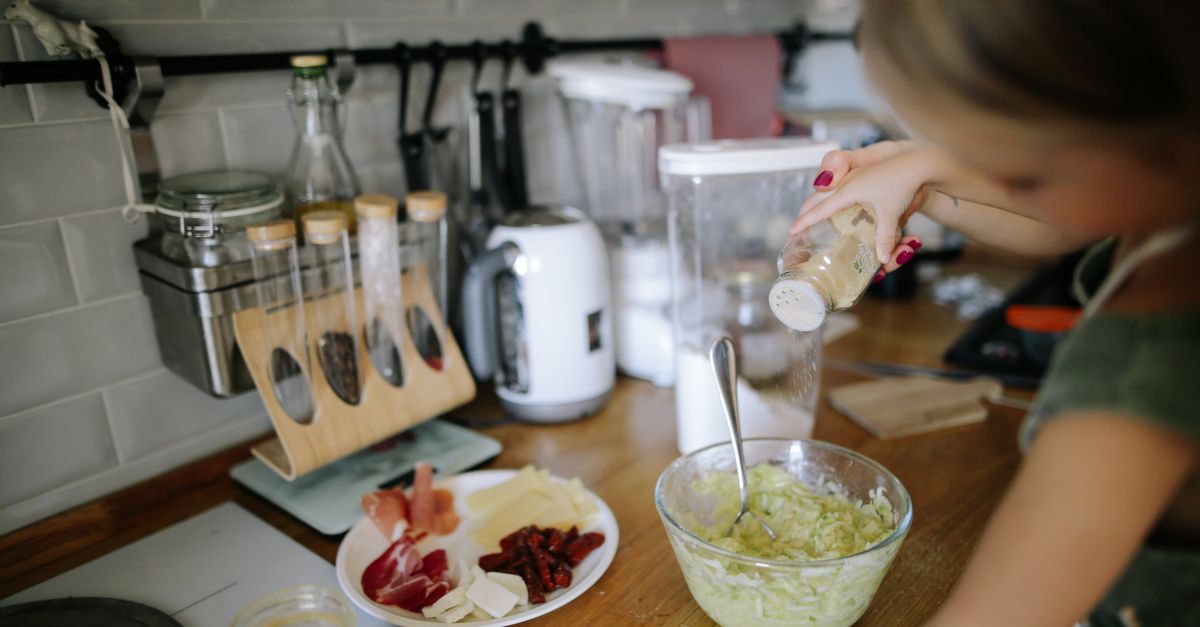
I remember the first time I made my own sauerkraut. I just took a cabbage, shredded it, massaged it with salt, and crammed it into a jar. I left it on my counter for a week. I peeked at it daily like a nervous parent. When I finally opened it, the fizz was audible. The flavor was electric. I had created something from nothing but cabbage and salt. It felt like magic. It was so much easier than baking bread, and infinitely more rewarding.
The 3 Things You're Doing Wrong (That Make You Sick)
We live in a world of convenience, and that convenience has stripped our food of its guts. Most of the "pickles" and "sauerkraut" you find on the center aisles of supermarkets are dead. They’ve been pasteurized to extend shelf life, which kills all the beneficial bacteria. You’re just eating salty vinegar water with a cucumber floating in it. That is not fermented food.
Here are the three mistakes I see everyone making:
- Buying the shelf-stable stuff: If it doesn't say "refrigerated" and "live cultures" on the label, it's probably junk. Look for "raw" or "unpasteurized" on the label.
- Heating it up: You spent money on probiotics, and then you cooked them to death. Never add kimchi or sauerkraut to a hot pan. Add it after you plate your meal, or serve it cold.
- Being afraid of the "use by" date: Fermented foods age gracefully. If it looks fuzzy or smells like rotting garbage, toss it. But if it’s just a little more sour than before? That’s called flavor. Eat it!
How to Start Without Losing Your Mind (or Your Money)
Look, you don’t need a $200 fermentation crock or a lab-grade pH meter to get started. You don't need to be a homesteader in the woods. You just need a jar, some salt, and water, and a bit of patience.
My advice? Start with a simple "Fridge Pickle." Cut up some cucumbers, carrots, and radishes. Dissolve a tablespoon of sea salt in a cup of water. Throw in a clove of garlic and a sprig of dill. Pour the brine over the veggies in a jar, make sure they are submerged (use a small glass weight or a ziplock bag filled with water), and leave it on the counter for 48 hours. Then, stick it in the fridge.
If you do nothing else, do this. It takes ten minutes of actual work. And when you taste that first pickle, you will understand why humans have been doing this for thousands of years. It’s not just food; it’s a conversation with the microbial world. It’s a rebellion against the sterile, processed, boring food industry.
The Payoff: Beyond the Belly
The benefits of a diet rich in fermented foods go way beyond the bathroom scale. I’ve noticed that my skin is clearer. My cravings for sugar have plummeted because my gut bacteria are no longer screaming for a quick fix. I have more energy in the afternoon, but I sleep better at night. It’s like my whole system is running on a smoother operating system.
There is a reason why every culture on Earth has a fermented staple. The Koreans have kimchi, the Germans have sauerkraut, the Japanese have miso, the Greeks have yogurt, and the Russians have kefir. We are hardwired to benefit from this process. Let’s be real: The "clean eating" movement got it wrong. It’s not about washing your food; it’s about letting it get a little dirty on purpose.
So, here is my challenge to you. Go to your fridge. Look at the pickles. Are they alive? Next time you are at the store, skip the aisle with the Twinkies and head to the refrigerated section. Buy a small jar of kimchi. Don't be scared of the red color. Try it. Your taste buds might be confused at first, but your gut will send you a thank-you note within a week.
Are you ready to join the cult of the cabbage? Let me know in the comments what weird, wonderful fermented food you’re willing to try first.


