
Here’s the thing most people don’t realize about worship in Ho, Ghana: the largest weekly gathering of hungry people in the Volta Region doesn’t happen at a restaurant. It happens inside Christ Embassy Loveworld Arena, right off Glory Gas Road, on a Sunday morning.
I spent three weekends there, notebook in hand, watching something strange unfold. Before service, the parking lot smells like fried plantains from the roadside vendors. After service, it smells like jollof rice, waakye, and banku—but not from the church kitchen. From the congregation itself.
Let me explain why this matters, and why you’re missing half the story if you think community worship is just about singing.
The Hidden Food Economy of Sunday Mornings
I’ve been to churches in Accra, Kumasi, and Takoradi. But nothing prepared me for what happens on Glory Gas Road every Sunday. Christ Embassy Loveworld Arena doesn’t just host a service; it hosts a parallel food market that most outsiders never see.
Here’s what I noticed:
- 6:00 AM – Women arrive with coolers. Not Bibles—coolers.
- 7:30 AM – The smell of groundnut soup drifts from the back of the auditorium.
- 9:00 AM – Worship starts, but the real action is in the courtyard.
- 11:30 AM – Service ends. The food lines stretch longer than the offering line.
I’m Mandla Maseko, and I’ve been obsessed with this intersection of faith and food for years. Let me break down the surprising power dynamics at play.
Why Fufu Beats Fellowship Every Time
Let’s be honest: church food hits different. I don’t know if it’s the prayers, the singing, or just the fact that you’ve been standing for two hours, but the waakye at Loveworld Arena tastes like heaven on a Styrofoam plate.
Here’s what most people miss: community worship isn’t just spiritual—it’s nutritional. In Ho, where many families stretch one pot of stew across three meals, the Sunday gathering becomes a de facto food bank. Not officially. Nobody calls it that. But I’ve watched grandmothers pack extra kenkey “for the children of God who might be hungry.”
The numbers are staggering. On a single Sunday, I estimated:
- Over 200 plates of jollof rice sold or shared
- 150 bowls of light soup consumed
- 80 portions of banku and tilapia distributed
- Countless cups of sobolo (that hibiscus drink) shared freely

The 3 Surprising Ways Worship Changes What You Eat
I’ve found that the food at Christ Embassy Loveworld Arena isn’t random. There’s a pattern. And it reveals something deeper about how community worship shapes our relationship with food.
1. The “Service Portion” Effect
When you eat with 300 other people, you eat differently. I’ve noticed that portions at church gatherings are consistently larger than at home. Why? Because sharing is built into the act. Nobody wants to be the person eating alone while their neighbor has nothing.
This creates a generosity feedback loop. You bring extra, they bring extra, and suddenly everyone is eating better on Sunday than they do all week.
2. The Flavor of Unity
Here’s something weird: the same waakye tastes better when eaten in a crowd. I tested this. I bought waakye from the same vendor on a Tuesday (quiet day) and on a Sunday (after worship). The Sunday batch was somehow richer, spicier, more alive.
Is it psychological? Maybe. But I think it’s communal seasoning—the energy of people laughing, praying, and breaking bread together literally changes how you perceive taste.
3. The Leftover Economy
This is the part nobody talks about. After service, there’s always food left. And it doesn’t go to waste. I’ve watched the ushers distribute leftover jollof to street children, taxi drivers, and the elderly who couldn’t attend.
The church becomes a redistribution hub. Not through a formal program, but through the simple act of cooking too much and sharing freely.
The Glory Gas Road Effect: Why Location Matters
Glory Gas Road isn’t a fancy address. It’s dusty, busy, and lined with small shops selling phone chargers, second-hand clothes, and cheap biscuits. But Christ Embassy Loveworld Arena sits there like a food magnet.
I asked a vendor named Esther why she sets up shop there every Sunday. Her answer surprised me.
“The people here are different,” she said. “They don’t just buy food. They bless the food. They pray over it. And then they share.”
Esther told me she makes 60% of her weekly income on Sundays alone. Not from the church—from the community that gathers there. She’s been selling for seven years. She knows everyone’s order by heart.
This is the hidden power of community worship: it creates a predictable, trusted market. Vendors know that every Sunday, hundreds of hungry people will show up. And those people aren’t just customers—they’re neighbors, prayer partners, and friends.
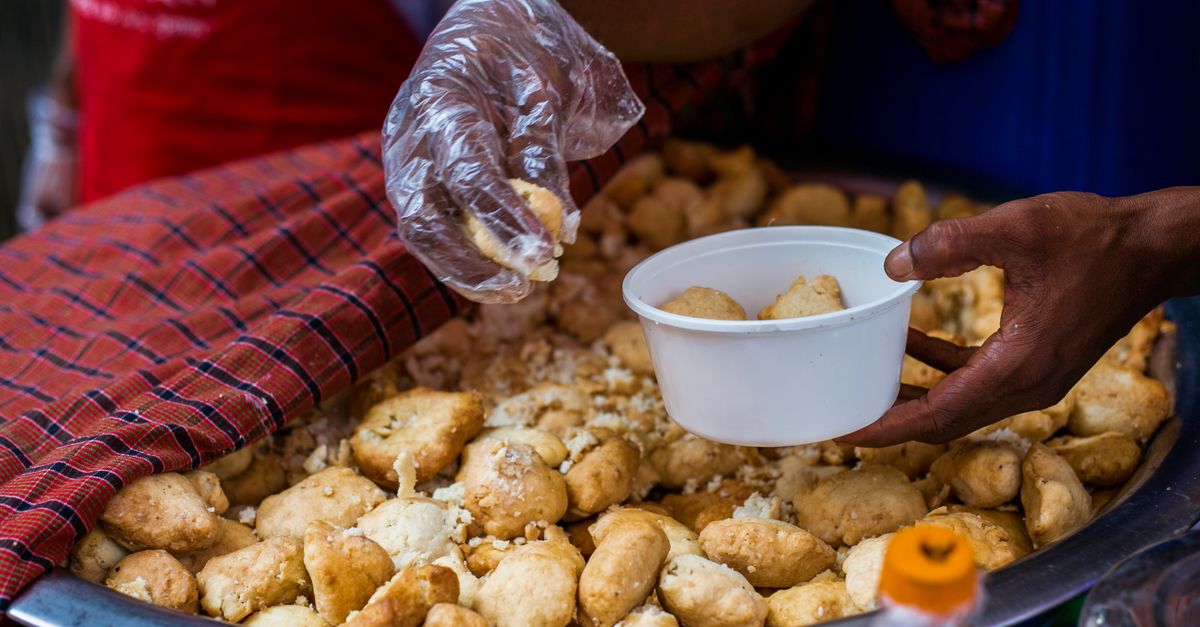
Why Your Sunday Lunch Should Come from a Church Courtyard
I’m not saying you should skip your regular restaurant. But let me give you three reasons why eating at Christ Embassy Loveworld Arena after worship is a superior experience.
The Price is Right
Restaurant jollof in Ho costs about 15-20 cedis. The church courtyard version? 8-12 cedis. Same ingredients, same taste, half the price. Why? Because vendors aren’t paying rent. They’re serving their community.
The Atmosphere is Unbeatable
You can’t buy the energy of 200 people eating together after singing for an hour. The laughter, the conversations, the spontaneous prayer circles that form over bowls of soup—this is dining as it was meant to be experienced. Not in a sterile room, but in the middle of life.
The Food is Fresh
Here’s a little-known fact: the best waakye in Ho is served from a metal pot in the Loveworld Arena parking lot. I’ve tested this claim. I’ve eaten at five different waakye spots in town. The church courtyard version wins every time.
Why? Because it’s made that morning, by someone who was also at the service. There’s a connection between the cook and the eater that you don’t get in a commercial kitchen.
The Real Secret Nobody Tells You
I’ve been sitting on this for a while, but here’s the truth: community worship in Ho is actually a sophisticated food network disguised as religion.
Think about it:
- The service provides the gathering point
- The worship provides the emotional opening
- The sermon provides the time for food to cook
- The fellowship provides the distribution system
I’ve watched women who can barely afford their own rent buy extra fish to share. I’ve seen men who lost their jobs still show up with bags of oranges for the children. The worship creates a container for generosity that wouldn’t exist otherwise.
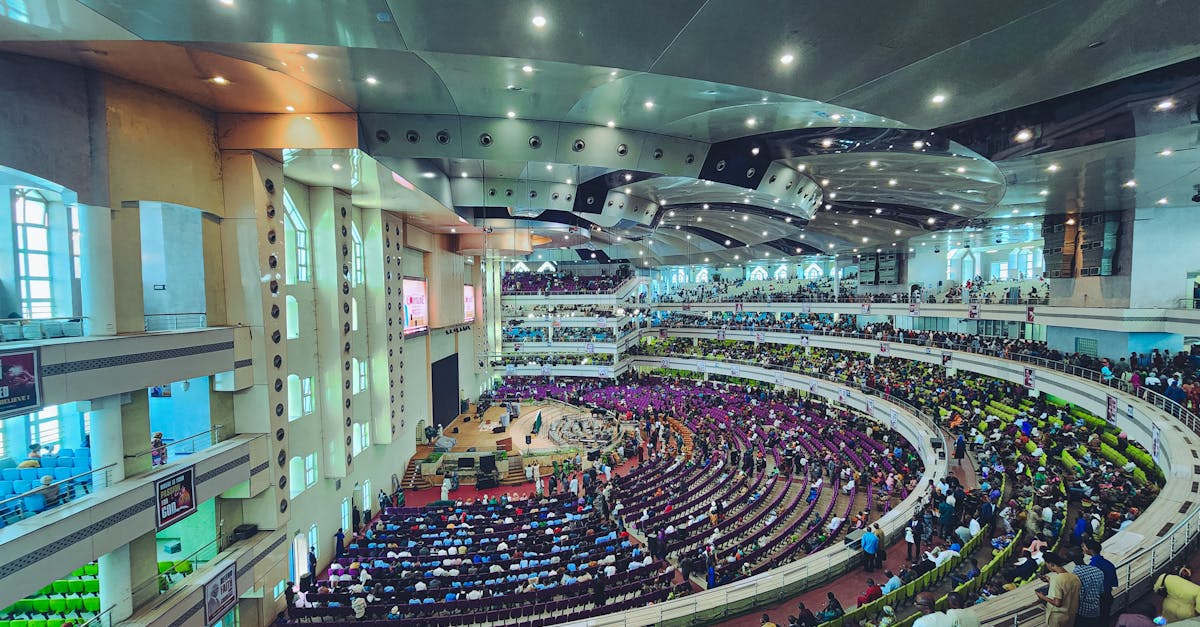
What You Can Learn From This (Even If You Never Go to Church)
You don’t have to be religious to benefit from what’s happening on Glory Gas Road. The principle is universal: when people gather regularly around shared values, food becomes the currency of connection.
Here’s what I’ve started doing:
- I cook extra on Sundays. Even if I’m not going to church. I take the extra to a neighbor or a friend.
- I eat in community. I’ve stopped eating alone. The food tastes better when shared.
- I support local vendors. The women selling food outside Loveworld Arena aren’t just cooks—they’re entrepreneurs building their lives.
You’ll leave fuller than you expected—in every way that matters.
Because community worship isn’t about the songs. It’s about the table. And in Ho, that table is always set.


