
You know that moment of sheer panic when a perfectly good slice of pizza slips from your fingers and lands cheese-side down on the kitchen floor? Your brain goes into overdrive. You look left, you look right. No one saw. You count to five in your head—one Mississippi, two Mississippi—and scoop it up faster than a praying mantis catches a fly. You brush off the cat hair, tell yourself "it builds immunity," and take a bite.
Let's be honest: we've all done it. But here's the hard truth that food scientists have known for years: The 5-second rule is a complete and utter fabrication. It’s a comforting lie we tell ourselves to justify our culinary recklessness.
I've spent years obsessing over food safety, and once you dig into the actual microbiology of what happens when your food hits the floor, you'll never look at a dropped Oreo the same way again. Here’s what the lab coats want you to know before you perform your next "quick pick-up."
The "Speed of Light" Contamination Myth
The core premise of the 5-second rule suggests that germs need time to mobilize, that they have to "crawl" onto your food. That sounds logical in a cartoonish way, but bacteria aren't sluggish little creatures with walking canes. They don't need to crawl; they get transferred instantly through adhesion.
Think about it like a stamp hitting an ink pad. The second the stamp touches the pad, the ink transfers. You don't need to leave the stamp on the pad for five seconds to get a mark. It happens in a fraction of a second. The moment your toast hits the laminate, bacteria are hitching a ride.
Studies from Rutgers University (the gold standard in dropped-food research) showed that moisture, not time, is the real culprit. Wet foods pick up bacteria instantly and in higher quantities. That juicy watermelon slice is a petri dish waiting to happen, while a dry cracker is slightly safer—but not by much.
Why Your Floor Is a "Bacterial Theme Park"
Here is where I have to burst your bubble about your own home. We tend to think our floors are "safe" because we live there. We clean them, we vacuum them, we walk on them in our socks. But let's get real for a second—what’s actually living down there?
You are walking on a film of microscopic life. It includes:
- Transient bacteria from your shoes (think public restrooms, sidewalks, and parking lots).
- Skin cells and hair (we shed constantly).
- Pet dander and, if you have a dog, whatever they dragged in from outside.
- Spores that float in through open windows.
The "Cross-Contamination" Trap You're Falling For
Here's what most people miss: the 5-second rule isn't just about the floor. It's about the transfer of bacteria from the floor to the food, and then from the food to your mouth. But there's a silent third step—the transfer from your hands to the floor, and then back to the food.
When you panic and grab that dropped chip, you're using your hand. That hand just touched the floor to pick it up. Now, you haven't just contaminated the chip; you've contaminated your hand. If you eat that chip with your fingers (which you will), you're now ingesting the bacteria that was on the floor, plus whatever was already on your hand.
It's a double whammy of grossness. The rule should be renamed the "Double Dip Disaster." You aren't rescuing the food; you're just creating a more efficient pathway for germs to reach your gut.
The "Types of Flooring" Loophole (Does Carpet Save You?)
There is a glimmer of nuance in the research. Not all floors are created equal. The Rutgers study found that carpet actually transfers fewer bacteria than tile or stainless steel. Why? Because carpet is porous. The bacteria get "lost" in the fibers, making it harder for them to transfer to the food's surface.
But don't start celebrating and eating Cheerios off your shag rug just yet. While the transfer rate is lower, it's still not zero. Plus, think about what's in that carpet. Dust mites, pollen, and whatever that mysterious stain from last year is. Just because the bacteria count is lower doesn't mean it's safe. It just means you're playing a slightly less risky game of Russian roulette.
The Immune System Defense (The "Eat Dirt" Argument)
I hear you. The "it builds your immune system" crowd is loud. There is actually a scientific basis for the hygiene hypothesis—the idea that exposure to certain microbes early in life helps regulate the immune system.
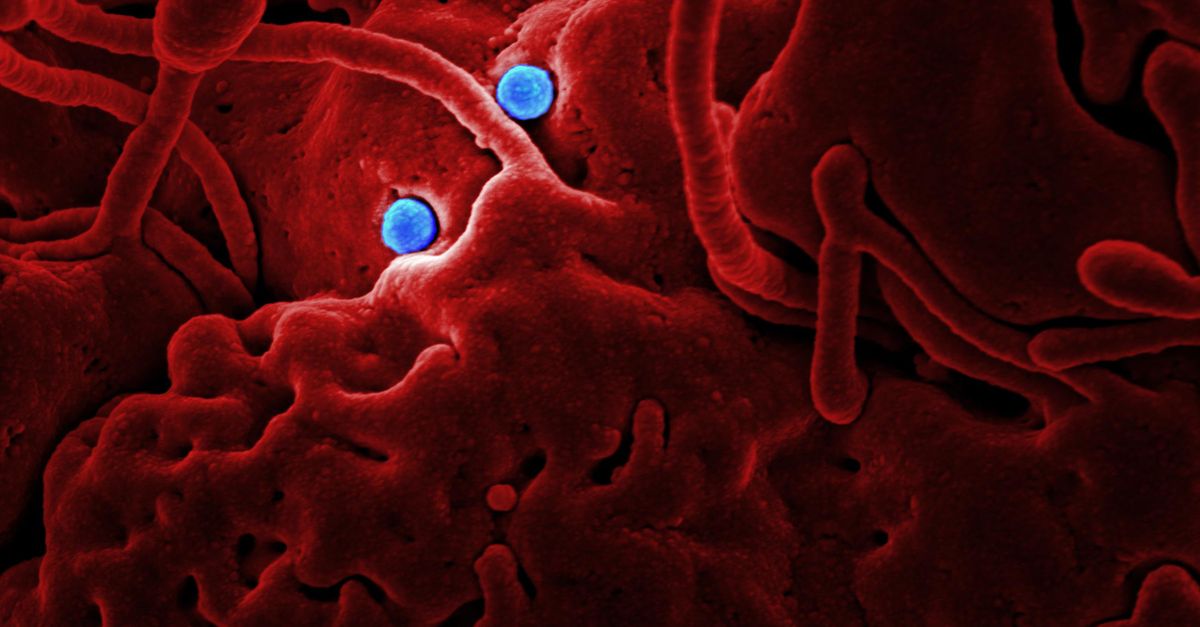
However, there's a massive difference between "playing in the dirt" and "ingesting floor bacteria." The pathogens we worry about on floors (like Staphylococcus or E. coli) aren't the friendly soil bacteria that help your gut. They are the ones that cause food poisoning.
I've found that this argument is usually just a coping mechanism. We want to believe that our parents' "dirt is good for you" advice applies to dropped pizza. It doesn't. The dirt from the garden is different from the bacteria tracked in on the bottom of a sneaker that walked through a parking lot.
So, What Do We Actually Do?
We need to be realistic. I'm not saying you need to become a germaphobe who panics if a grape rolls on the counter. But the "5-second rule" is a dangerous rule of thumb because it gives you a false sense of security.
Here is my practical, honest advice:
- Mushy and Wet? Throw it away. No exceptions. That goes for pasta, fruit, and cooked vegetables. The moisture accelerates bacterial transfer instantly.
- Dry and Crunchy? It's a gamble. Cookies, crackers, and chips have a lower risk, but it's still not risk-free. If it's a high-value item (like a gourmet chocolate), you're rolling the dice.
- If You're Immunocompromised, Pregnant, or Elderly? Do not even think about it. Your body can't fight off the invaders like a healthy adult can.
- When in Doubt, Toss It Out. Is it worth a night of stomach cramps and fever for a piece of bread? Let's be honest—no. It's not.
The Clean Floor Illusion
The real solution isn't to count seconds faster; it's to prevent the drop in the first place. But since gravity is undefeated, the next best step is to sanitize your floors more often than you think is necessary.
I keep a bottle of food-safe disinfectant spray under the sink for this exact reason. I've found that if you treat your kitchen floor like a food-contact surface—because, let's face it, it eventually becomes one—you dramatically reduce the risk.
The Final Verdict on the "Rule"
We cling to the 5-second rule because it's a comforting narrative that helps us feel less wasteful and less gross. It turns a moment of clumsiness into a harmless anecdote. But the science is clear: Time is not a shield. Contact is the enemy.
The next time you drop a piece of bacon, you have a choice to make. You can either accept the microbial gamble and be at peace with it, or you can admit that the 5-second rule is a lie we tell ourselves to justify a moment of weakness.
I know what I'll do—I'll mourn the bacon and pour myself a bowl of cereal instead. That's a lot easier to keep off the floor.


