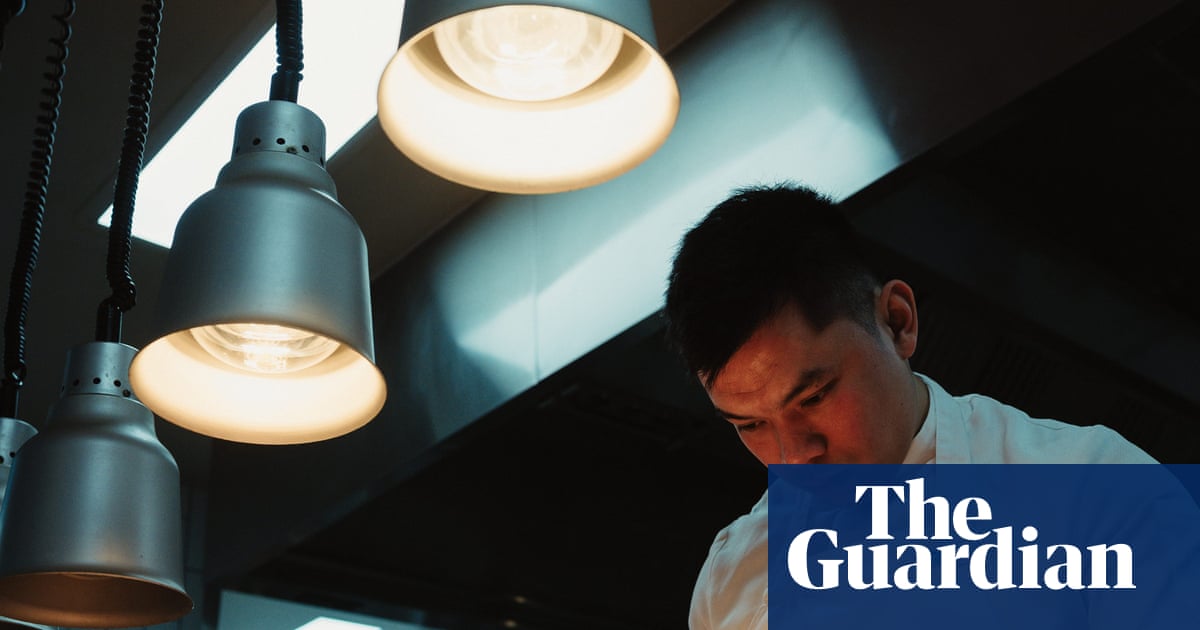
Michelin awarded its first-ever stars to Australian restaurants on Wednesday evening, handing one star each to ten South Australian venues and two stars to Magill Estate Restaurant at the Penfolds winery in the Adelaide foothills, according to The Guardian.
The ceremony took place at the Adelaide Convention Centre, where Michelin also named more than 70 restaurants for inclusion in its guide. The awards mark the guide's first expansion into Australia, following a state government bid to bring it to South Australia for five years.
Why it matters
The result gives South Australia a claim as the first Australian state with Michelin-recognised restaurants, and the state government is counting on the guide to draw international visitors. Tourism minister Emily Bourke said the recognition would bring food-focused travellers to the state, with benefits expected to reach hospitality, tourism, regional areas and producers, The Guardian reported.
The state government is likely to have paid millions for the five-year arrangement. It says the selection process was entirely independent and has kept the exact figure commercial-in-confidence. Restaurants cannot pay to be included.
Tourism Australia reportedly declined a five-year, $40m national deal with the French company, leaving South Australia to pursue its own approach.
A double win for Magill Estate
Magill Estate Restaurant, long regarded as one of the state's most established fine-dining rooms, became the first Australian restaurant to hold two Michelin stars, according to AFR. Its executive chef, Scott Huggins, said he had dreamed as a young person of working in Michelin-starred kitchens, which he did overseas, before earning two stars of his own.
Michelin describes two stars as recognition for restaurants where a team's personality and skill come through in expertly made dishes that are both refined and inspired. A single star goes to restaurants using top-quality ingredients and preparing distinctively flavoured dishes to a consistently high standard.
Aptos, the Adelaide Hills venture from James, also took one star. Its expensive degustation menu had been widely tipped for recognition, with its opening falling close to the announcement that the guide was coming to the state.
Beyond the stars
Michelin also issued Bib Gourmand awards, which recognise more moderately priced restaurants. Those went to Parwana Afghan Kitchen, Africola, Bar Torino, Fino Seppeltsfield, Golden Boy, Part-time Lover and the Salopian Inn.
The wider selection of recommended restaurants mixed established names with newer ones. It included Chianti, Coriole Vineyards, Star of Greece and Darry's Verandah Restaurant, alongside Patch Kitchen, Ong Vietnamese Kitchen, Shobosho, Osteria Oggi, Fermentasian, Fino Vino, Fugazzi, Hardy's Verandah, Herringbone, Huami, Kiin, Latteria, Yakisan and Magill Estate Kitchen.
Michelin's international director, Gwendal Poullennec, told the audience that Australian food history reaches back tens of thousands of years. He said inspectors found a dining scene in South Australia of remarkable diversity, with many restaurants combining European influences and an open, expressive style. He described the state's cooking as free from rigid tradition — contemporary, confident and technically defined, yet relaxed in spirit, and marked by creativity, craftsmanship and respect for the work behind each dish.
The Michelin Man, known as Bibendum, appeared on the red carpet alongside figures including Maggie Beer, Simon Bryant and the winning chefs and hospitality staff.
How the guide judges
Michelin's inspectors work anonymously and independently. They assess restaurants on five criteria: the quality of ingredients, harmony of flavours, mastery of culinary technique, how clearly a chef's personality comes through in the cooking, and consistency across the whole menu and over time.
The guide states that formality, style of service, and a restaurant's decor are not taken into account, and that any restaurant can qualify.
Michelin began the guide in France in 1900 as a tyre company project aimed at encouraging people to drive and wear out their tyres. It was relaunched in 1920 with hotels and restaurants included, the first mystery diners were recruited, and the first stars were awarded in 1926.
The guide is self-funded in some countries but has increasingly signed paid partnerships as it expands. It has also drawn criticism: some chefs and hospitality figures question whether the red book has lost credibility now that it lists close to 20,000 entries, and whether inspectors can keep pace. Stars can be withdrawn if a restaurant is judged to have slipped, which has led to reports that the prize can become a burden. Some chefs have asked for stars to be removed, or barred reviewers after disagreements over assessments or because of the pressure involved.
Michelin removed its green star for eco-friendly practices earlier this year without a full explanation, meaning about 40 restaurants will lose that accolade. Poullennec said the Mindful Voices programme, for those he described as rewriting the rules, would have a presence in South Australia through Penobscot Farm in the Clare Valley.
From Thursday, South Australian restaurants that made the guide can display their Michelin plaques.
What to watch next is whether the state's tourism numbers respond to the guide over its five-year term, and whether Michelin extends its Australian footprint beyond South Australia after Tourism Australia's reported decision to pass on a national deal.


