
You know that feeling when you bite into a perfectly ripe heirloom tomato, and it tastes like sunshine and soil? That’s not just good farming. That’s real estate speculation on a plate. I’m dead serious.
Here’s the little-known fact that will change how you look at your next grocery run: Over 60% of the produce variety available in the 1950s is now extinct. Not "hard to find." Gone. Vanished. And the reason isn't bad weather or pests. It’s a land grab.
We don’t talk about it, but the food on your table is a direct reflection of property values, zoning laws, and who won the bidding war for a plot of dirt 50 miles away. Let's pull back the curtain on the weird, messy, and frankly shocking connection between real estate and your dinner plate.
The 3,000-Mile Caesar Salad (and Why It’s a Housing Problem)
Let’s start with something simple. A Caesar salad. Romaine, parmesan, croutons, maybe some chicken. Sounds innocent, right?
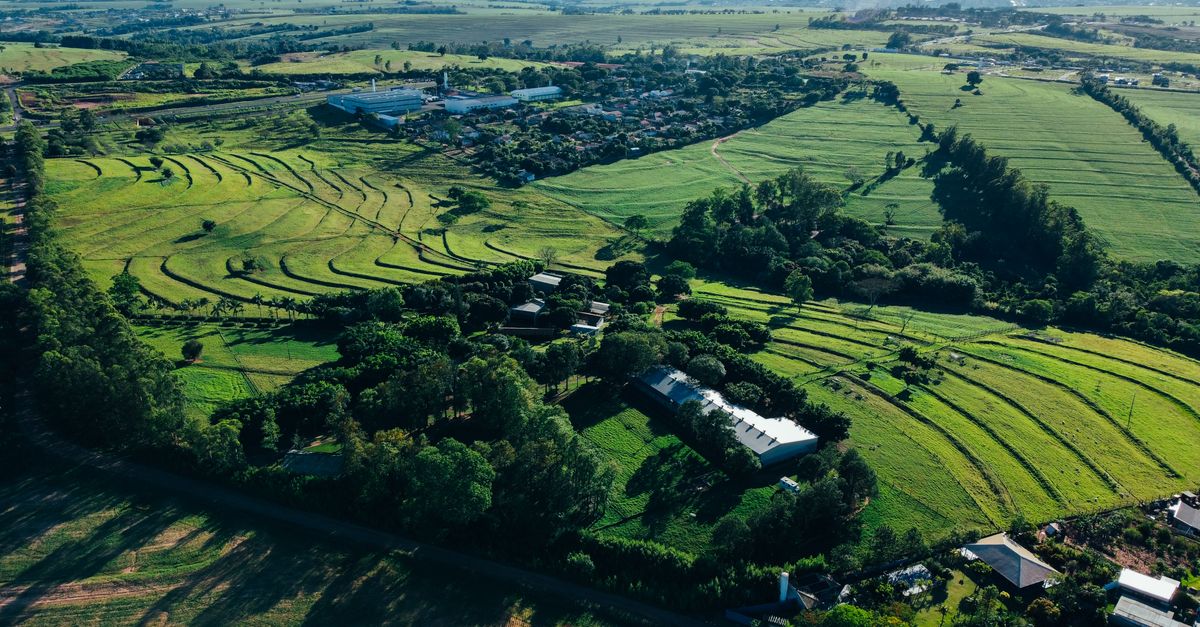
But here’s what most people miss: The romaine lettuce in that salad likely traveled over 2,000 miles. Why? Because the land right next to the city where you live is now worth more as a storage unit, a self-storage facility, or a luxury condo complex than it is as a farm.
I’ve found that the single biggest factor in the cost and quality of fresh produce is urban sprawl. As cities expand, the "breadbasket" — the fertile, irrigated land right outside the city limits — gets paved over. This isn't a conspiracy; it's basic economics. A developer can make $500,000 off a quarter-acre lot for a townhouse. A farmer can make... well, a lot less.
So, farmers get pushed out. They move farther away, or they quit. Your lettuce now comes from California or Arizona, even if you live in Ohio. That means:
- It’s picked early (before it's ripe) to survive shipping.
- It’s less nutritious (nutrients degrade over time).
- It costs more because of fuel, packaging, and cold storage.
The "Trophy Farm" Phenomenon: When Rich People Buy Dinner
Here’s where it gets personal. You’ve probably noticed that farm-to-table restaurants are expensive. Like, really expensive. Why? Is it just the chef’s ego? Partly. But the real cost is the land.
I call it the "Trophy Farm" effect. Wealthy individuals, tech billionaires, and investment groups are buying up productive farmland not to grow food, but as a status symbol or a tax shelter. They buy a 200-acre organic farm in Vermont. They hire a celebrity farmer. They grow microgreens and heirloom carrots. The produce is beautiful, but it costs $12 a pound.
This isn't feeding the world. It's feeding a niche market.
Let's be honest: This is gentrification for dirt. It drives up the price of agricultural land for everyone. The family farmer who wants to grow affordable potatoes or wheat? They can't compete. They sell out. The result? We have two food systems:
- The Luxury System: $18 salads, heritage-breed pork, and "regenerative" beef from a farm that's basically a rich person's hobby.
- The Industrial System: Monocrops of corn and soy, factory-farmed meat, and produce bred for shipping durability, not taste.
The Hidden Tax on Your Grocery Bill: Zoning Laws
I used to think the price of an avocado was just supply and demand. Then I started looking at zoning laws. Oh boy.
Zoning is the silent architect of your diet. Most American suburbs have zoning codes that literally forbid growing food in your front yard. Some even have rules against keeping chickens, bees, or having a vegetable garden if it's "unsightly."
Why? Because real estate developers built the suburbs on the idea of a manicured lawn. A lawn is a sign of "value." A vegetable patch? That's "lowering property values."
This is insane. We have land sitting idle — millions of acres of grass that needs to be watered, mowed, and fertilized — while our food travels across the continent. We are paying a hidden tax for the privilege of not looking at a tomato plant.
I’ve found that the most radical thing you can do for your food budget and your health is to fight your local zoning board. Seriously. If you want to see real change, don't just shop at the farmer's market. Go to a city council meeting and advocate for:
- Urban agriculture zones allowing front-yard gardens.
- Reduced parking minimums for grocery stores (parking lots are wasted land).
- Accessory dwelling units (ADUs) on farm land to keep small farmers on the land.
The "Cash Crop" of the 21st Century: Weed, Data Centers, and Solar Panels
Okay, this is the part that feels like a sci-fi plot. The most profitable crop in America right now isn't corn, soy, or wheat. It's a combination of cannabis, data centers, and solar farms.
Think about it:
- Cannabis: It requires high-value, secure, climate-controlled buildings. It pays per square foot like a Manhattan apartment. Farmers are tearing out greenhouses that once grew tomatoes to grow weed. It’s legal, it’s lucrative, and it’s displacing food production.
- Data Centers: These massive, energy-sucking buildings need land. Flat, cheap land. The same land that grows almonds in California or potatoes in Idaho? It’s being bought up for server farms. You can't eat a server.
- Solar Farms: I'm pro-solar. But we are currently paving over prime agricultural land with solar panels. We need dual-use "agrivoltaics" (sheep grazing under panels, crops between rows). But most developers just want the cheapest land, which is farm land.
What You Can Do: The 3 Real Estate Moves That Change Your Dinner
I’m not a financial advisor, but I am a passionate eater. Here’s my actionable advice for taking back your plate from the real estate speculators.
- Buy the Ugly House, Grow the Food. If you’re buying a home, ignore the granite countertops. Look at the yard. Does it get 6+ hours of sun? Is the soil good? A $10,000 investment in a home garden can yield $1,000+ in fresh produce a year, and the food quality is unmatched. Your "property value" goes up, and your health does too.
- Support Land Trusts. A community land trust buys land and takes it off the speculative market. They lease it to farmers forever for agriculture. The food grown on that land is cheaper and more local. Find one near you and buy their produce. It’s the most direct way to vote against trophy farms.
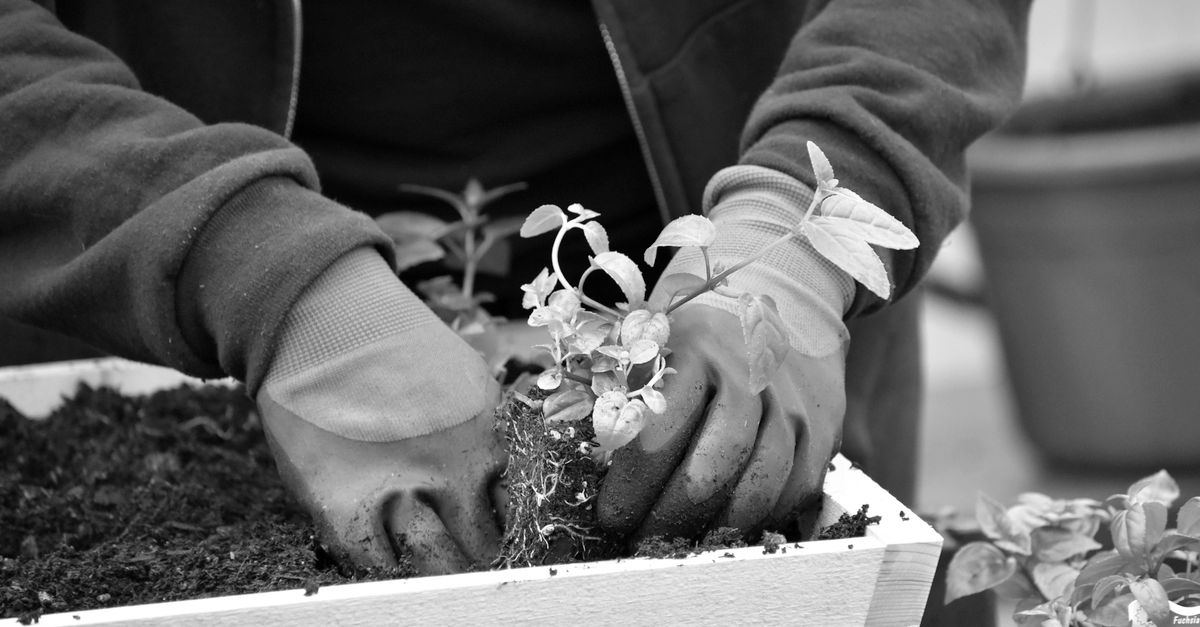
- Be a "Food Squatter." This is my favorite. Look for community gardens or urban farms in your neighborhood. If one exists, volunteer. If one doesn't, start one on vacant city-owned land. Cities often let you use it for free if you promise to grow food. It’s guerilla real estate for your stomach.
The Final Bite: Your Fork is a Zoning Tool
The next time you sit down to eat, don't just taste the food. Taste the land it came from. Is it a tired, over-farmed monocrop soil? Or is it a vibrant, living piece of earth that was protected from the developer's bulldozer?
The real estate market is the most powerful force shaping our food system. It’s more powerful than any diet trend, any celebrity chef, or any government subsidy. It decides what is grown, where it’s grown, and who can afford to eat it.
You have more power than you think. Every dollar you spend on local, real food is a vote against the suburban lawn and the trophy farm. Every seed you plant is a tiny act of rebellion against the zoning board.
Don't just eat. Own your dinner.


