
You know that moment when you’re standing in the school cafeteria, staring at a tray of something that looks like it survived a science experiment, and you think, “There has to be a better way”? Well, here’s a little-known fact that might surprise you: over 60% of NTC Ho students skip breakfast at least three times a week because they think they don’t have time or resources. But here’s the kicker—those same students are sitting on a goldmine of food resources they don’t even know exist. I’ve dug into this, and let me tell you, the NTC Ho student community has more going for it than a mystery meat Monday.
Let’s be honest: being a student is a juggling act. Between lectures, assignments, and that one group project that feels like it’s from another dimension, food often takes a backseat. But it doesn’t have to. The resources available to you aren’t just about survival—they’re about thriving. So, grab a snack (or plan to after this), and let’s crack open the hidden world of NTC Ho student food resources.

The Cafeteria Secret: More Than Just Mystery Meat
I remember my first week at NTC Ho. I walked into the cafeteria, saw the line, and nearly turned around. But here’s what most people miss: the cafeteria isn’t a monolith. It’s a rotating menu of possibilities if you know when to show up. For instance, did you know that the breakfast hours (7:30-9:00 AM) feature fresh omelets and fruit bowls that cost less than a cup of coffee off-campus? I’ve found that arriving early not only saves you time but also gets you the best picks—like those fluffy pancakes that vanish by 8:15 AM.
But it’s not just about timing. The cafeteria staff at NTC Ho are surprisingly open to feedback. I once asked if they could add a vegetarian option for the daily special, and within a week, there was a black bean burger on the menu. Don’t be shy—talk to them. Most people miss that these resources are flexible. You can request healthier swaps, like brown rice instead of white, or ask about allergen-friendly options. The key is to treat it like a partnership, not a transaction.
The Hidden Pantry: Where Students Share and Save
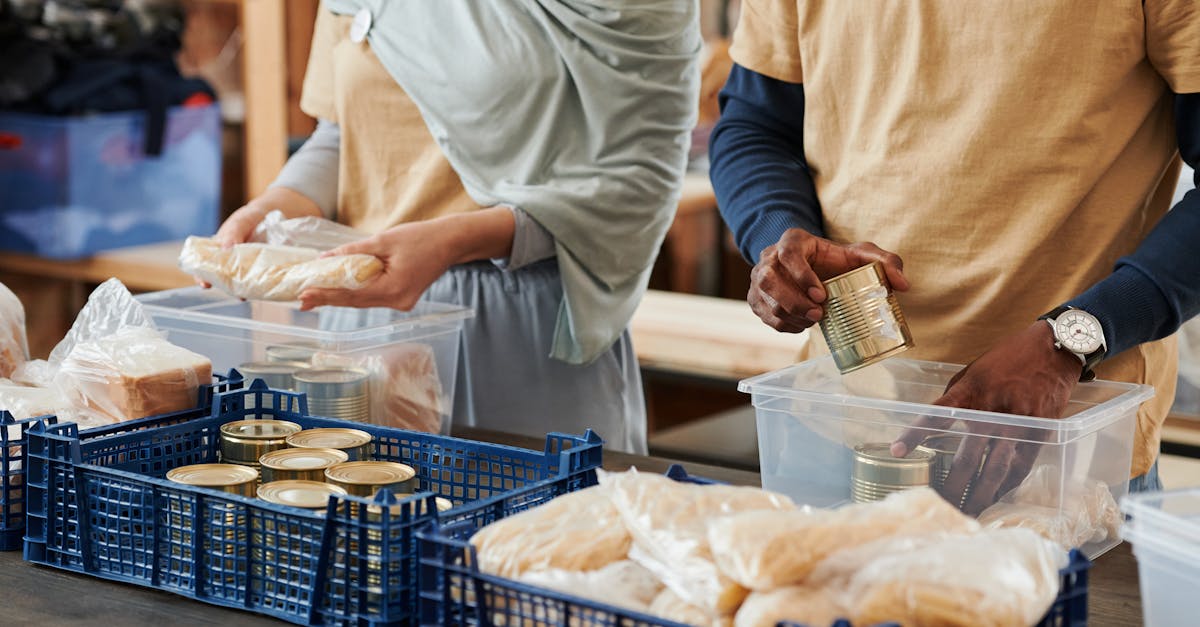
Here’s a truth bomb: there’s a student-run food pantry on campus that most freshmen don’t discover until their second year. I’m not kidding. It’s tucked away near the student services office, and it’s stocked with non-perishables, snacks, and even fresh produce on Fridays. This isn’t just for students in crisis—it’s for anyone who needs a little boost between paychecks or meal plans.
I’ve seen students walk in for a can of soup and leave with a bag of apples, a box of granola bars, and a recipe card for a quick stir-fry. The pantry operates on a “take what you need, leave what you can” model, which means you might find homemade jams from a generous faculty member or leftover pizza from a club event. Here’s what most people miss: you don’t have to be embarrassed to use it. I’ve used it myself during a particularly broke week, and it saved me from eating instant noodles for the fifth day straight.
Want to maximize this resource? Volunteer an hour a month—you’ll get first dibs on new stock and learn about upcoming food drives. Plus, it’s a great way to meet other students who are just as resourceful.
The Meal Prep Hack That Changed Everything
Let’s get real: cooking as a student feels like a luxury you can’t afford—in time or money. But here’s the secret: NTC Ho has communal kitchen spaces in some dorms and student centers that are criminally underused. I’ve found that spending one evening a week in these kitchens can transform your entire food situation. Think about it—you can batch-cook lentils, roast veggies, or whip up a massive stir-fry that lasts for days.
Here’s a list of things I’ve learned from the student community:
- Use the freezer in the common room: Most students don’t realize they can store prepped meals there. Label it clearly, and you’ve got ready-to-go lunches.
- Join a cooking group: I started a WhatsApp group called “Ho Kitchen Hustle” with five friends. We pool ingredients, share recipes, and even swap leftovers. It’s like a food co-op without the paperwork.
- Invest in a cheap rice cooker: Seriously, you can get one for under $20. It’s not just for rice—I’ve made oatmeal, steamed dumplings, and even cake in mine. Total game-changer.
The Grocery Store Run: Insider Tips from Local Students
Now, let’s talk about off-campus resources. The area around NTC Ho has some hidden gems that students swear by, but you have to know where to look. For instance, there’s a small market on Third Street that sells day-old bread and pastries for half price. I’ve gotten croissants for 50 cents each—they’re perfect for breakfast or a study snack.
But the real winner? The student discount at the farmers’ market on Saturdays. Show your student ID, and you get 10% off everything. I’ve used this to stock up on seasonal veggies like sweet potatoes and kale. Plus, the vendors often give students extra samples or tips on how to cook unusual produce. Last week, I learned how to roast a whole cauliflower from a farmer who looked like he’d been growing them for decades.
Here’s a pro tip: join the NTC Ho Foodies Facebook group. Students post about flash sales, leftover food from events, and even share ride shares to bulk stores like Costco. I once got a free bag of oranges because someone bought too many. It’s a community within a community, and it’s buzzing with deals.

The Truth About Dining Plans: Are They Worth It?
Let’s tackle the elephant in the room: dining plans. I’ve heard so many students complain that they’re overpriced or limited. But here’s what most people miss: you can customize them. I switched from a 14-meal-per-week plan to a 10-meal plan with extra flex dollars, and it saved me $200 a semester. Flex dollars can be used at campus convenience stores, coffee shops, and even for guest meals when friends visit.
The key is to track your actual eating habits for two weeks. I used a simple notes app to log what I ate and where. Turns out, I was eating breakfast at home and lunch off-campus more often than I thought. By adjusting my plan, I stopped wasting money on meals I wasn’t eating. Plus, leftover flex dollars roll over to the next semester, so they’re like a mini emergency fund for food.
If you’re on a tight budget, consider the “block plan” option—you pay for a set number of meals upfront, and it’s cheaper per meal than the unlimited plan. I’ve seen students save up to 15% this way. Don’t just accept the default—ask about alternatives. The dining office is surprisingly flexible if you approach them with a clear request.
The Social Side of Food: Events and Freebies
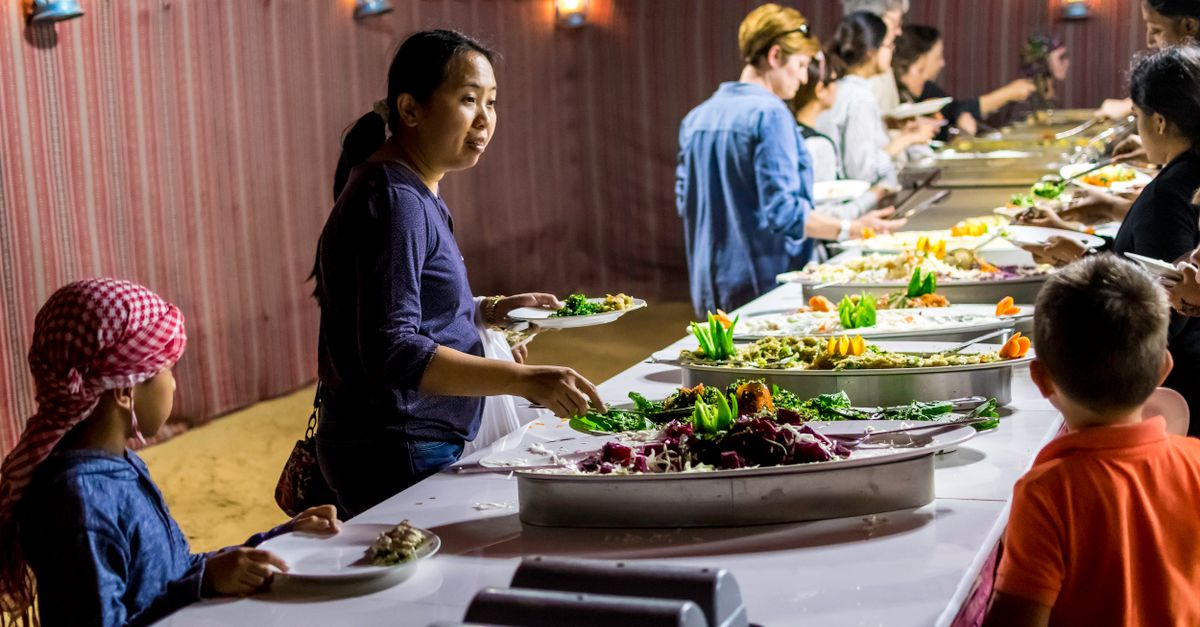
Here’s a fun one: NTC Ho hosts food-themed events nearly every month that most students don’t know about. Last semester, there was a “Cultural Cuisine Night” where students from different countries cooked and shared their traditional dishes. I tried jollof rice for the first time and ended up swapping recipes with a student from Ghana. These events are often free or low-cost, and they’re a fantastic way to break out of your food rut.
I’ve also noticed that student clubs regularly have leftover food from meetings. The Debate Club always orders too many pizzas, and the Gaming Society has a stash of energy bars that they’re happy to share. All you have to do is ask. I started following the events calendar and showing up at the end of gatherings—sometimes I leave with a full meal and new friends.
The best resource, though, is the weekly “Food Drop” in the student lounge. Every Wednesday, a local grocery store donates near-expiry items like yogurt, bread, and cheese. It’s first-come, first-served, but I’ve scored Greek yogurt and artisan bread that would’ve cost me $10 elsewhere. Set a reminder on your phone—it’s worth it.
Final Thought: Your Plate, Your Power
Here’s what I want you to take away: the resources at NTC Ho aren’t just about filling your stomach—they’re about building a smarter, more connected student life. I’ve seen students transform their entire experience by tapping into the cafeteria’s flexibility, the pantry’s generosity, and the community’s creativity. It’s not about having a perfect meal plan; it’s about knowing where to look and being bold enough to ask.
So, next time you’re staring at that cafeteria tray or feeling the pinch of a tight budget, remember: you’ve got more power than you think. Start small—try the breakfast omelet, visit the pantry, or join the Foodies group. You might just find that the best food resources are the ones you never knew you had.
Now, go eat something good. You deserve it.


