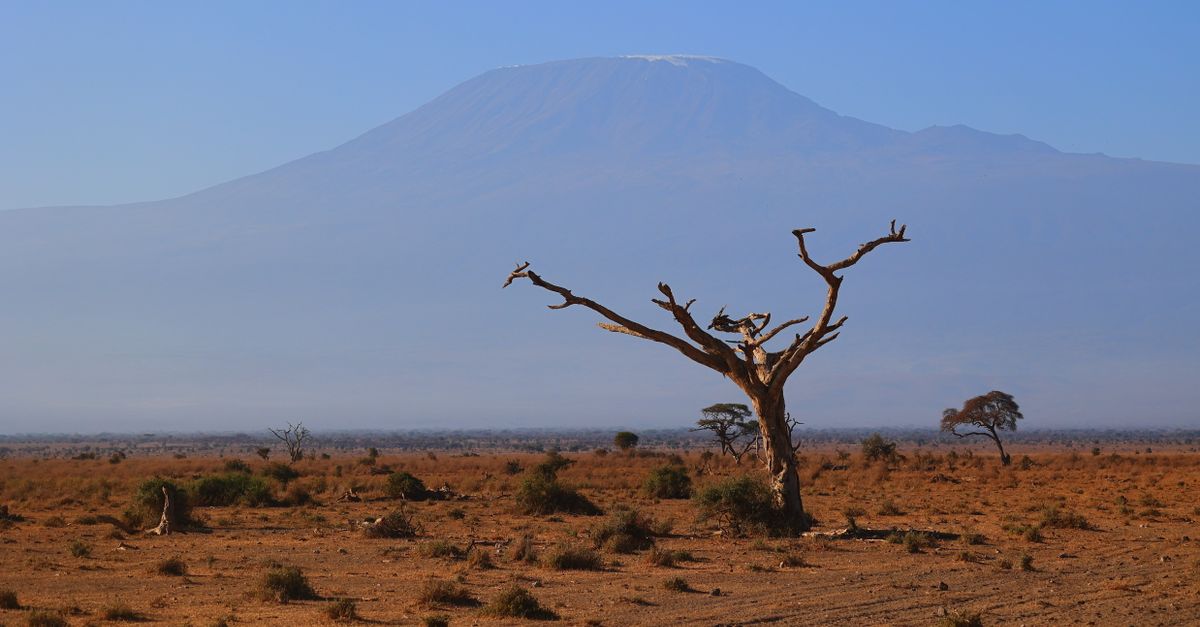
You know what? I’m about to say something that might get me roasted by the travel influencer crowd: Mount Adaklu is the most underrated food destination in West Africa. Yes, you read that right. Not a fancy Accra brunch spot. Not a Michelin-starred restaurant in Lagos. A mountain. In the Volta Region of Ghana. And here’s the kicker—most people climb it for the sunrise selfie and completely miss the entire point. The real treasure? It’s what’s simmering in the pots at the base.
Let me explain before you close this tab.
I’ve spent the last three years eating my way through Ghana’s hidden corners, and I’ve found that Mount Adaklu isn’t just a hike—it’s a pantry. The local Adaklu people have been farming, foraging, and cooking on these slopes for centuries. But here’s what most people miss: the food culture here is shockingly untouched by tourism. No plastic-wrapped “authentic” snacks for sale. No Instagram-friendly smoothie bowls. Just real, fire-cooked, soul-deep meals that taste like the earth they came from.
So, if you’re planning a trip to Mount Adaklu, put down the granola bars. You’re about to get a guide that’ll make your taste buds cry—in a good way.
The Secret Ingredient Nobody Talks About: Adaklu’s Wild Edible Plants
Let’s start with the stuff you won’t find on any menu. I’ve been hiking Mount Adaklu for years, and every single time, a local elder points out something I can eat. The mountain is literally a supermarket disguised as a landscape.
Here’s a quick list of what’s growing right under your feet:
- Akwadu – A wild mushroom that only appears after the first heavy rains. Locals fry it with onions and Scotch bonnet peppers. I’ve had it once, and I still dream about it.
- Dzidzi – A leafy green that tastes like a cross between spinach and rocket. It’s usually boiled and mashed with palm oil. Don’t skip it.
- Aborbi – Tiny, sour berries that grow on thorny bushes. They’re used as a natural souring agent in soups. Think of them as Ghana’s answer to tamarind.
Pro tip: If you see an old woman pounding something in a wooden mortar near the trailhead, stop. She’s not making a show. She’s making magic. Ask if you can watch. She’ll probably hand you a spoon.

The One Dish You Must Eat Before You Leave (And How to Find It)
Alright, let’s get specific. There’s one dish that defines Mount Adaklu’s food culture, and it’s not fufu. It’s not jollof rice. It’s Ablɔ ŋu—a fermented corn dumpling served with a groundnut soup that’s so rich, it should be illegal.
I’ll be honest: the first time I tried it, I was skeptical. Fermented corn sounds like something you’d feed to livestock. But the texture is incredible—soft, slightly sour, and spongy enough to soak up every drop of that soup. The groundnut soup here is different from the one you’d get in Kumasi. It’s thicker, darker, and loaded with smoked fish that’s been caught in the Volta River.
Here’s how to find the real deal:
- Don’t go to a restaurant. There aren’t any proper ones near the summit. Instead, look for a compound with a clay pot over an open fire.
- Ask for “Ablɔ ŋu kple gbɔmi” – That’s how locals say it. If you butcher the pronunciation, they’ll still understand. Smile. It helps.
- Eat with your hands. This isn’t a suggestion. It’s a rule. The dumpling is meant to be torn, not cut. Trust me, it tastes better when you feel it.
What most people miss: The soup isn’t the main event. It’s the fermented corn. The fermentation process takes three days. It’s a labor of love that most commercial kitchens would never bother with. That’s why it tastes like nothing else.
Why the Best Meals Happen at 6 AM (And Other Uncomfortable Truths)
Here’s something I’ve learned the hard way: Mount Adaklu’s food scene runs on a schedule that doesn’t care about your sleep. If you want the best breakfast of your life, you need to be awake before the sun hits the peak.
Why? Because the local women start cooking at dawn. They’re preparing meals for hikers heading up the mountain and for their families. By 7 AM, the best portions are gone. By 8 AM, the fires are dying down.
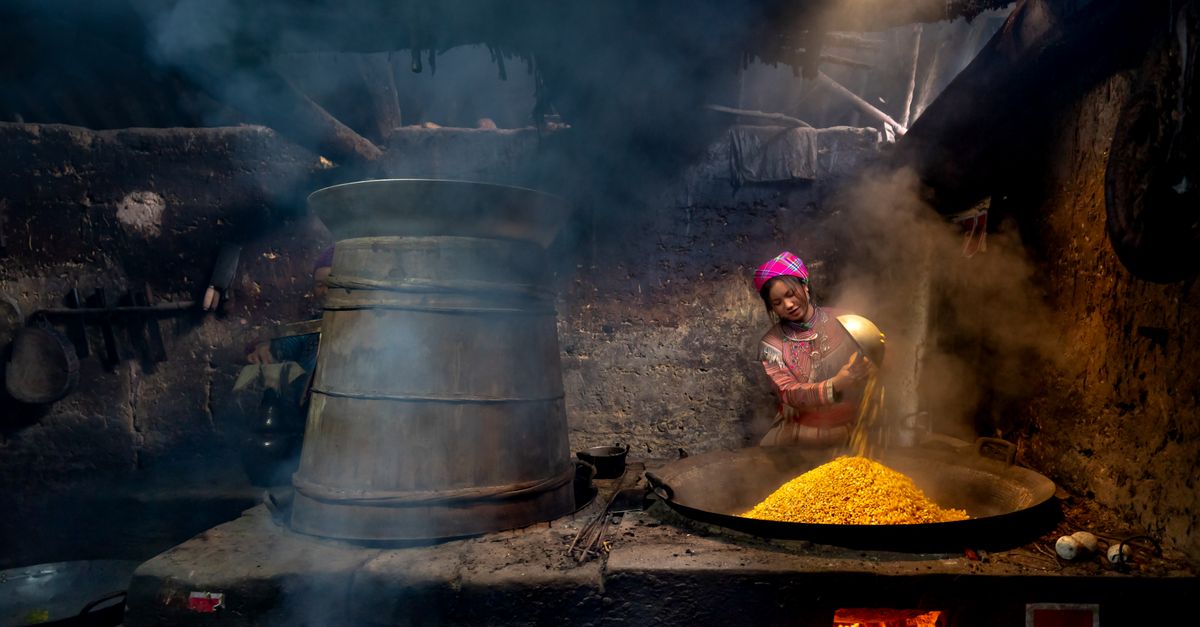
I remember one trip where I dragged myself out of bed at 5:30 AM, grumbling the whole way. I stumbled into a small compound where a woman named Mama Adzo was frying kɔmi—a fermented corn porridge—with smoked herring. She handed me a bowl without saying a word. It was hot, savory, and had a smoky depth that no coffee could compete with.
That bowl changed my entire perspective on breakfast.
Here’s what you need to know:
- The porridge is free if you help with the fire. Seriously. Offer to carry firewood or stir the pot. You’ll eat like royalty.
- Don’t ask for sugar. They’ll look at you like you’re crazy. The porridge is savory, and that’s the point.
- Bring your own bowl. This is huge. Many local cooks don’t have disposable cups. If you show up with a clean bowl, you’re instantly a friend.
The Hidden Drink That’ll Change Your Opinion About Palm Wine
Let’s talk about palm wine. You’ve probably had it before—sweet, slightly fizzy, gets you buzzed if you drink enough. But the palm wine near Mount Adaklu? It’s a completely different beast.
Here’s the secret: the tappers here use a specific species of palm tree that grows only on the mountain’s southeastern slope. The sap is tapped at night, collected in gourds, and fermented for exactly 12 hours. Any longer, and it turns sour. Any shorter, and it’s too sweet.
I’ve had palm wine from every region in Ghana. The Adaklu version is the only one that tastes like it has notes of honey and lime. No joke. I asked a local tapper why. He shrugged and said, “It’s the mountain. The soil is different.”
Here’s what you need to do:
- Find the tapper named Kofi. He’s an old man with a missing front tooth and a laugh that could wake the dead. He sets up near the base of the trail every Saturday.
- Drink it fresh. Don’t let it sit in a plastic bottle for hours. It loses its magic.
- Pair it with roasted plantain. The combination is ridiculous. The sweetness of the palm wine cuts through the smoky, charred plantain. It’s a match made in heaven.
The 3-Minute Cooking Lesson That Will Save Your Dinner
I’m about to share something that most travel guides won’t tell you: you can cook on Mount Adaklu. No, not in a fancy camping stove. I mean real cooking, over an open fire, using ingredients you foraged that morning.
I learned this from a woman named Esi, who taught me a three-minute lesson that changed how I think about outdoor cooking:
“Fire is the only ingredient you can’t fake.”
She showed me how to make a simple stew using:
- Fresh tomatoes (bought from a roadside stall for pennies)
- Smoked mackerel (caught in the Volta River)
- Wild basil (picked from the mountain’s edge)
- Palm oil (from a local press)
Why this matters: If you’re hiking Mount Adaklu and you don’t have a guide, you’re missing half the experience. But if you can learn one cooking technique from a local, you’ll never eat a bland meal again. The mountain provides. You just have to know what to do with it.
Practical tip: Bring a small knife and a metal bowl. That’s all you need. The mountain has everything else.
Why You Should Skip the Summit (And Eat Instead)
This is going to sound crazy, but hear me out: you don’t need to reach the top of Mount Adaklu to have the best experience. In fact, I’d argue that the summit is overrated. The view is nice, sure. But the real magic happens halfway up, where the air smells like woodsmoke and the sounds of cooking drift up from the valley.
I’ve hiked to the summit three times. Each time, I regretted not spending more time at the base, talking to the women who cook. One of them, a grandmother named Akua, told me that her grandmother cooked for the first European missionaries who climbed the mountain in the 1800s. She still uses the same recipe for her groundnut soup.
Here’s my controversial take: If you only have one day at Mount Adaklu, spend 70% of it eating. Hike for an hour, then come back down. Find a compound with a fire. Sit down. Eat until you can’t move. That’s the real summit.
You’ll leave full, happy, and connected to something real. That’s worth more than any Instagram shot.
The Final Spoonful: What I Want You To Remember
Look, I’ve been writing about food for years. I’ve eaten in Michelin-starred restaurants and street stalls that don’t have names. But Mount Adaklu is different. It’s not about the food itself—it’s about the way the food connects you to the place.
When you eat Ablɔ ŋu on that mountain, you’re not just tasting corn and groundnuts. You’re tasting the soil, the rain, the smoke from a hundred years of fires. You’re tasting the hands of women who wake up before dawn to feed strangers.
So here’s my call to action: Next time you’re in Ghana, skip the beach. Go to Mount Adaklu. Find a compound. Smile. Ask for food. And when they hand you a bowl, eat it like you mean it.
Your taste buds will thank you. Your Instagram feed will thank you. And you’ll finally understand why I’ve been shouting about this mountain for years.
Now, if you’ll excuse me, I have a gourd of palm wine calling my name.


