
Let’s be brutally honest for a second: you’re probably treating your gut like a garbage disposal, not the command center for your entire wellbeing. We obsess over skincare routines, fitness trackers, and meditation apps, while ignoring the trillions of microorganisms that dictate our mood, immunity, and even cravings. It’s a bizarre oversight. I’d argue that your gut microbiome is the single most overlooked factor in your daily health, more impactful than that expensive vitamin stack you barely remember to take.
Think about it. This internal ecosystem influences everything from how you digest that lunchtime salad to whether you feel anxious before a big meeting. It’s not just about avoiding bloating. When your gut flora is out of whack—a state called dysbiosis—it’s like having a mutiny on a ship. The bad bacteria start calling the shots, leading to inflammation, brain fog, and a compromised immune system. So, how do you regain control? You don’t need a fancy probiotic pill with a billion CFUs. You need to look to tradition, to the foods our ancestors intuitively fermented to preserve not just the vegetables, but their health.
The Fermentation Revolution: It’s Not a Trend, It’s a Return
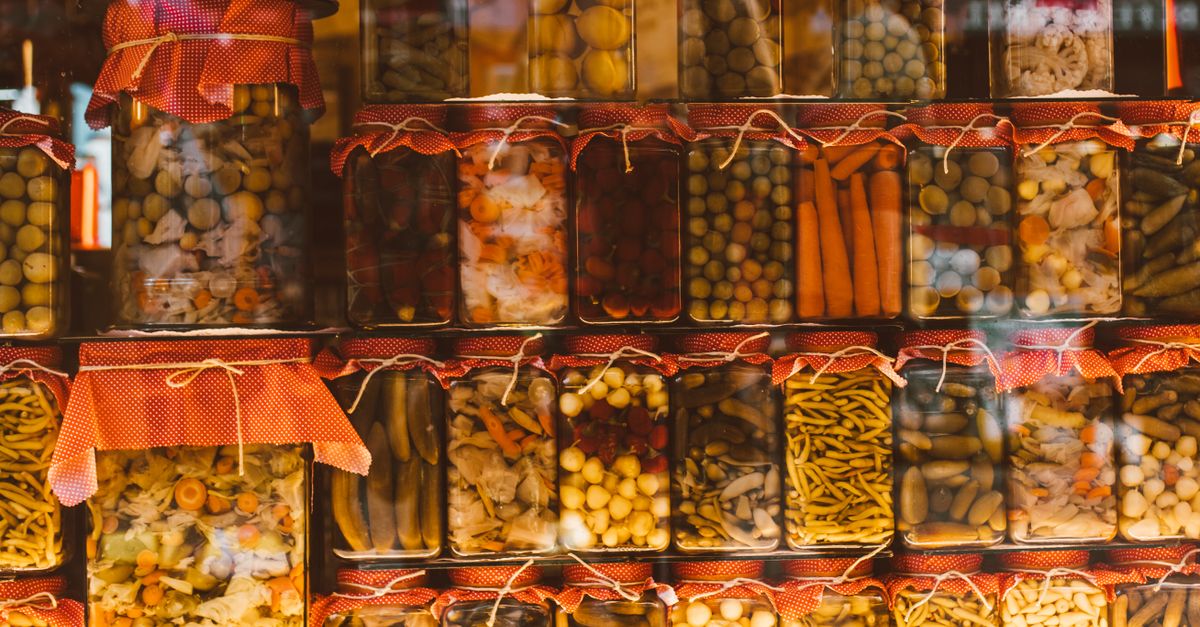
Here’s what most people miss: fermentation isn’t a modern wellness hack. It’s ancient food technology. Before refrigeration, fermentation was the key to survival, preventing spoilage and unlocking nutrients. The "revolution" is simply us rediscovering that these foods are packed with live, diverse probiotics—the beneficial bacteria that directly colonize your gut. Unlike pasteurized products (which kill all bacteria, good and bad), fermented foods are teeming with life.
But not all fermented foods are created equal. The shelf-stable sauerkraut in the canned goods aisle? Heated, and therefore microbiologically dead. You need the real, refrigerated, bubbly stuff. The goal is to introduce a wide variety of bacterial strains, because diversity is the hallmark of a resilient gut. Let’s ditch the single-strain supplements and talk about real food.
Your Gut’s Best Friends: 5 Fermented Powerhouses
Forget forcing down foods you hate. The beauty of fermentation is in the variety. I’ve found that incorporating even one of these daily can create a noticeable shift. Here are my top five, ranked not just by probiotic punch, but by practicality and flavor.
- Kimchi: The Spicy Workhorse. This Korean staple is a lactic-acid bacteria powerhouse. Made from napa cabbage, radish, and a fiery blend of chili pepper, garlic, and ginger, it’s a flavor bomb. Beyond probiotics, it’s rich in vitamins A, B, and C. I add it to rice bowls, scrambled eggs, or even grilled cheese for a gut-healthy kick. The capsaicin from the chili may also boost metabolism. It’s a two-for-one.
- Live-Culture Yogurt & Kefir: The Accessible Giants. Yes, they’re obvious, but are you choosing wisely? Most sweetened yogurts are sugary desserts. You want plain, unsweetened yogurt with "live and active cultures" on the label. Kefir, its drinkable cousin, is often even more potent, containing up to 30-50 different strains of bacteria and yeast. It’s a fantastic base for a morning smoothie. The key here is consistency over quantity; a small daily serving builds a strong foundation.
- Raw Sauerkraut: More Than a Hot Dog Topping. The real, unpasteurized version is a far cry from the soggy, vinegary stuff. It’s crisp, tangy, and alive. Cabbage is naturally high in fiber (a prebiotic, which is food for the probiotics) and vitamin C. The fermentation process creates isothiocyanates, compounds studied for their cancer-fighting properties. Start with a forkful alongside your protein at dinner.
- Kombucha: The Effervescent Elixir. This fermented tea can be a fantastic gateway drug to gut health. The SCOBY (Symbiotic Culture Of Bacteria and Yeast) transforms sweet tea into a tart, fizzy drink. It provides organic acids and antioxidants that support liver detoxification. A word of caution: it can contain trace amounts of alcohol and caffeine, and some commercial brands are high in sugar. Read labels, or better yet, try brewing your own.
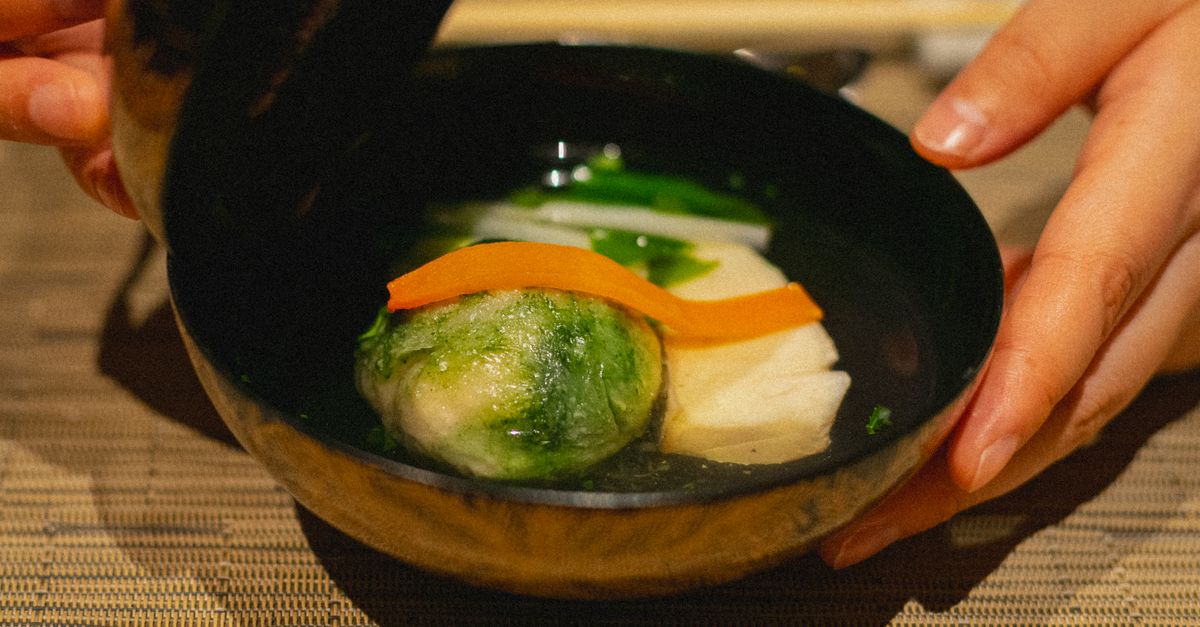
- Miso: The Savory Secret. This fermented soybean paste is the umami heart of Japanese cooking. Whisked into soup, it’s a comforting, mineral-rich source of probiotics. Crucially, miso is a fermented food that can survive gentile cooking. While boiling will kill the live cultures, adding miso to broth at the end of cooking preserves its benefits. It’s proof that a healthy gut microbiome can be supported even in warm meals.
Beyond the Bacteria: The Unexpected Perks
Focusing solely on probiotics is like hiring a workforce without giving them tools. This is the nuanced part most blogs gloss over. Fermented foods are brilliant because they often work in multiple ways: Bioavailability: Fermentation breaks down anti-nutrients (like phytic acid in grains and legumes), making the minerals in your food more absorbable. Enzyme Power: These foods are rich in digestive enzymes, giving your own pancreas a bit of a break. Ever felt heavy after a meal? A side of kimchi might be the answer.
- The Flavor Factor: Let’s be honest, they make healthy food taste incredible. A dash of fermented hot sauce or a scoop of sauerkraut can transform bland chicken and broccoli into something you crave.
How to Start Without Overwhelming Your System
Introducing a battalion of new bacteria to a gut accustomed to a standard Western diet can cause… a reaction. Gas and bloating are common if you go from zero to hero. The strategy is low and slow.
Start with a teaspoon of sauerkraut juice or a couple of ounces of kefir. Do this for a few days. Listen to your body. Then, gradually increase the amount and variety. Your microbiome is a garden; you’re replanting it. You wouldn’t dump a bag of seeds on bare soil and expect a perfect harvest. It takes gentle, consistent cultivation.

The Real Question Isn’t About Your Gut
So, is your gut healthy? The better question is: are you feeding the life within you, or just feeding yourself? The pursuit of a diverse gut microbiome through fermented foods isn’t a sterile, clinical task. It’s a reconnection with food that has history, culture, and vitality. It’s acknowledging that health is symbiotic—we depend on these microscopic allies as much as they depend on us.
Don’t just buy one jar of kimchi, try it, and declare it a “wellness experiment.” Make one fermented food a non-negotiable part of your culinary landscape. Your gut bacteria have a generational memory. What legacy are you feeding them?


