
You’re standing in the grocery store, holding two avocados. One has a shiny “Product of Mexico” sticker. The other, slightly less perfect, is from a farm two counties over. You know the local one is the “better” choice, but the Mexican one is on sale. You toss it in your cart, feeling a tiny, familiar pang of guilt. We’ve all been there. We recycle, we carry reusable bags, but when it comes to our plates, the connection between our lunch and the planet can feel… fuzzy.
What if I told you that pang of guilt is the starting point for the most impactful eco-activism you might ever do? And that a growing movement is ditching the complex calorie counts and macro-tracking for a simpler, more profound metric: carbon footprint per bite. Welcome to the world of the climatarian.

More Than a Trend, It's a Food Philosophy
Let’s be honest, “climatarian” sounds like another buzzy, restrictive label in a world already full of them. But peel back the label, and it’s refreshingly simple. A climatarian diet prioritizes foods with the lowest environmental impact. The core goal isn’t weight loss or animal welfare (though those can be happy side effects)—it’s climate mitigation.
Think of it as eating with a geographical and ecological conscience. It asks questions like: How much land and water did this require? Did it travel across an ocean? Did its production release methane or cause deforestation? The answers guide your fork. It’s less about banning food groups and more about conscious scaling. Beef might become a once-a-month treat, while lentils and mushrooms become weekly heroes.
The Shocking Truth on Your Plate (It's Not Just About Cow Burps)
We all know beef has a high carbon cost. But here’s what most people miss: the devil is in the details of production and transportation. A climatarian digs deeper.
That out-of-season strawberry, jet-set in from Chile in December? Its travel miles are a climate bill. That bag of pre-washed, plastic-clad salad mix? The processing and packaging energy is staggering. The climatarian lens reveals that food waste is a climate crime. Tossing that slimy bag of spinach isn’t just a waste of $4; it’s a waste of all the resources that went into growing, cooling, and transporting it, only for it to rot in a landfill and produce methane.
So, what’s on the climatarian hit list? Heavy Hitters: Lamb and beef (by far the highest in emissions). Long-Distance Luxury: Foods air-freighted, like off-season berries, fresh fish from distant waters, and exotic fruits. Resource Hogs: Foods with immense water footprints, like almonds and some rice varieties, depending on region. Packaging Monsters: Heavily processed items wrapped in layers of non-recyclable plastic.
Your Climatarian Toolkit: 3 Simple Shifts to Start
This isn’t about perfection. It’s about progression. You don’t need to go full vegan overnight or only eat things grown in your postal code. Start here:
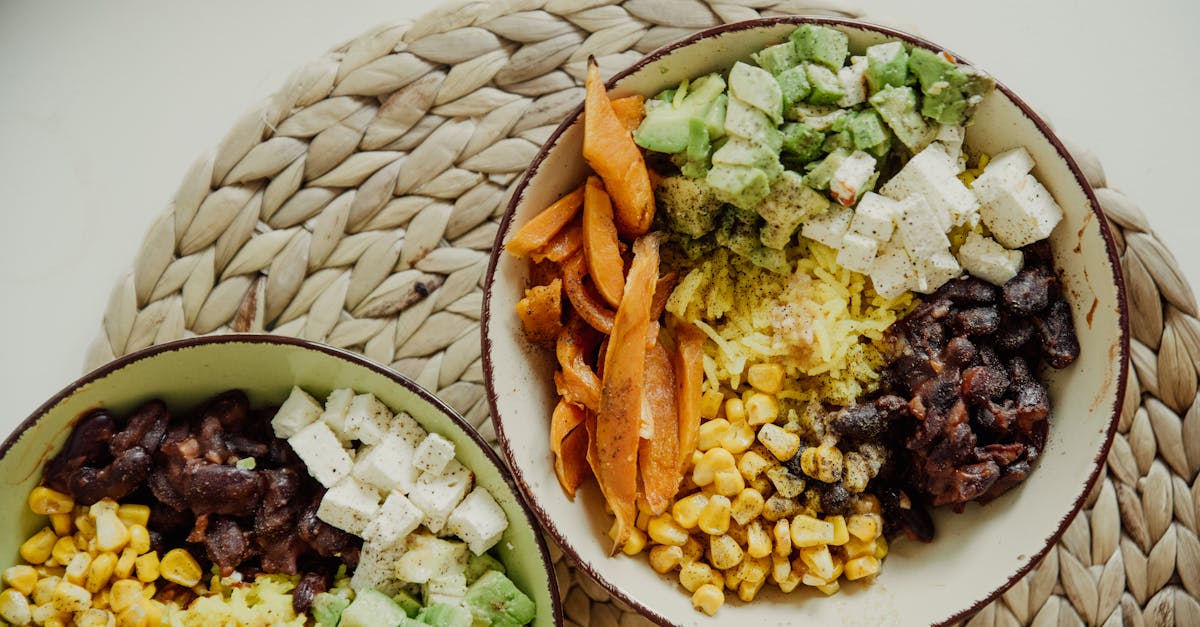
- Embrace the "Flexitarian" Flip. Make plants the main event. Instead of planning a meal around a chicken breast, plan it around a hearty grain like farro or quinoa, and let animal protein be the accent, if you use it at all. I’ve found that a "bean-first" mentality—reaching for black beans, chickpeas, or lentils before ground meat—is a game-changer for your health and the planet.
- Seasonality is Your Secret Weapon. Eating what’s in season locally is climatarianism 101. It means your food traveled less, required less artificial heating/cooling to grow, and is often cheaper and tastier. A tomato in August from your farmer’s market versus a pale, hard tomato in January? There’s no contest.
- Love Your Leftovers, Respect Your Resources. Plan your meals to use everything. Stale bread becomes croutons. Vegetable scraps become stock. Cooked grains get reinvented into a next-day salad. This shift from seeing scraps as “waste” to seeing them as “unused ingredients” is profoundly powerful.
The Delicious Side Effects You Didn't See Coming
When you start eating for the climate, some beautiful things happen. Your diet naturally becomes more diverse and nutrient-rich. You discover local farmers and heirloom varieties you never knew existed. You become a more creative cook, learning to make a star out of a humble cabbage or a can of chickpeas. And perhaps most importantly, you feel a sense of agency. In the face of a vast, scary climate crisis, your plate is something you control. Every meal is a vote.

Is This The "Next Big Diet"? Let's Get Real.
Will climatarianism top the bestseller lists with a strict 30-day plan? Probably not, and that’s its strength. It’s not a temporary “diet” with an end date. It’s a lasting food ethos. It aligns personal health with planetary health in a way that feels logical, not punitive.
The real question isn’t whether it will be the next fad, but whether its core principle—that our food choices are ecological choices—will become mainstream. And the evidence says yes. From carbon-labeling on menus in Europe to major food corporations setting emission targets, the conversation is shifting from just what we eat to how it got here.
So, the next time you’re in that grocery store aisle, pause. That simple choice between two avocados is more powerful than you think. It’s a tiny act of defiance against a broken system, a small vote for a cooler planet. Start with one climatarian meal this week. See how it feels. Your taste buds—and the planet—will thank you.


