
Let me tell you something about the Mediterranean diet that nobody puts on the glossy magazine covers: it's not really a diet at all. It's a way of eating that makes you feel like you're cheating on every other "healthy" plan you've ever tried — except you're not. There's no sad desk salad. There's no counting macros until your brain melts. There's olive oil. Lots of it.
I went into this 30-day experiment skeptical. I've done keto. I've done intermittent fasting. I once ate nothing but soup for a week and hated every human being who walked past me. So when I say the Mediterranean diet changed how my body felt, understand that I do not say this lightly.
Here's the honest, unfiltered account of what 30 days of olive oil, fish, and actual carbohydrates did to my energy, my sleep, and my relationship with food.
The Rules I Actually Followed (And the Ones I Ignored)
First, a quick reality check on what the Mediterranean diet even means. It's modeled on the traditional eating patterns of people living in Greece, southern Italy, and Spain. The short version:
- Olive oil as the primary fat — not butter, not seed oils, olive oil
- Fish and seafood a few times a week
- Vegetables, fruits, legumes, and whole grains at basically every meal
- Poultry, eggs, and dairy in moderation
- Red meat maybe once or twice a month
- Red wine — optionally, and in moderation
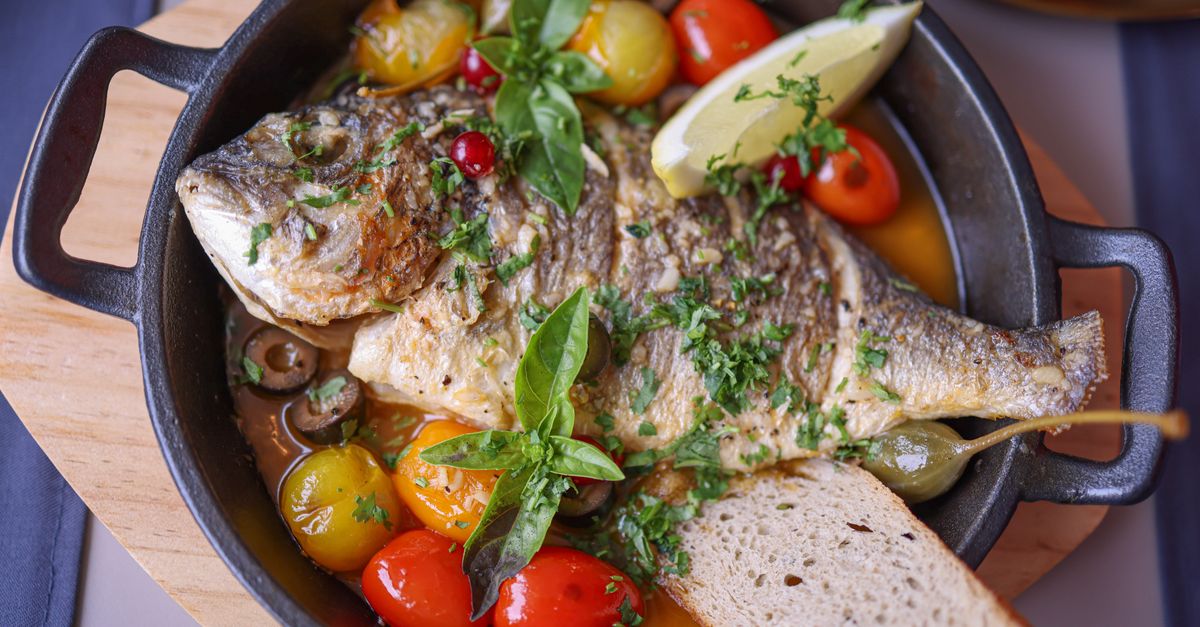
The First Week Was a Gentle Shove, Not a Slap
I expected withdrawal headaches. I expected to be ravenous by 3 p.m. and plotting crimes against the vending machine.
Neither happened.
The first few days, I felt... fine? Which was almost suspicious. I swapped my usual breakfast of a protein bar eaten over the sink for Greek yogurt with honey, walnuts, and berries. Lunch became a big bowl of chickpeas, tomatoes, cucumber, feta, and a frankly irresponsible amount of olive oil. Dinner was grilled salmon with roasted vegetables and a hunk of whole-grain bread.
The most shocking part? I wasn't hungry between meals. Not once. That had never happened to me on any other plan. I've found that most diets work by making you afraid of food. This one just fed me.
By day four, though, my energy wasn't dramatically different. If anything, I felt a little flat. That's the part nobody tells you — there's a lag. Your body doesn't throw a parade on day three.
When My Energy Actually Shifted (It Wasn't Day One)
Around day 10, something clicked.
I stopped needing my afternoon coffee. Now, if you know me, you know that my 2 p.m. espresso is a personality trait, not a beverage. But I kept forgetting to make it. That's the only way I can describe it. The 3 p.m. crash that used to flatten me into my couch just... didn't show up.
Let's be honest: I wanted to credit the olive oil. It was probably the whole package — steady blood sugar from the legumes and whole grains, less inflammation from all the omega-3s in the fish, and, I suspect, simply eating more actual food instead of diet food.
The other change? My sleep. By week two, I was falling asleep faster and waking up before my alarm. I hadn't changed my bedtime or my screen habits. The only variable was the food.
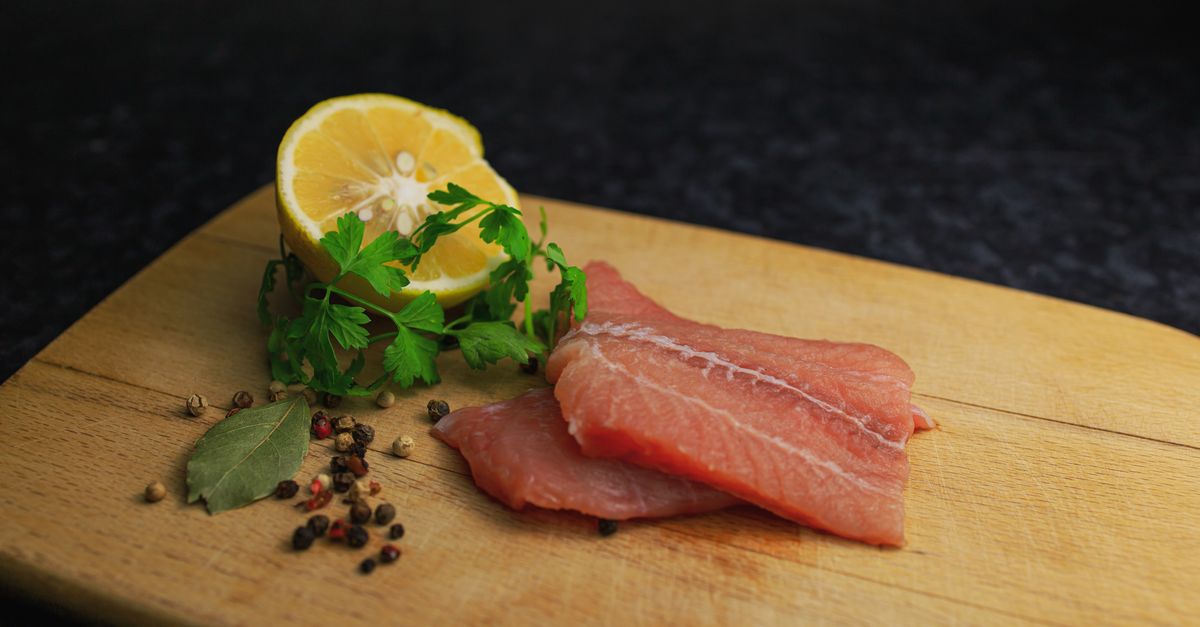
The Unsexy Truth About Weight and Energy
I lost about four pounds over the month. That's it. Four.
I know — not the dramatic number people want for a headline. But here's the thing I've come to believe: four pounds that stay off beat twelve pounds that boomerang back. And I wasn't even trying to restrict calories. I ate bread. I ate pasta. I drank wine on weekends. The weight moved because my body wasn't in a constant state of stress.
But the real wins weren't on the scale:
- Steady energy all day — no more 3 p.m. collapse
- Better digestion — the fiber from beans and vegetables did its quiet work
- Less bloating — I stopped feeling puffy after meals
- A calmer relationship with food — no guilt, no bargaining, no "cheat days"

The Parts That Were Genuinely Hard
I'm not going to pretend this was effortless. A few things tripped me up:
- Restaurant menus. Finding something Mediterranean-ish at a burger joint means ordering the one sad salad and watching your friends eat fries. I planned around it.
- The fish budget. Wild salmon is not cheap. I leaned on canned sardines and frozen fillets to keep costs sane, and honestly? Sardines on toast with lemon is a revelation.
- The oil thing. I had to accept that pouring three tablespoons of olive oil on a salad is the point, not a mistake. It felt wrong. It was right.
- Social pressure. People get weird when you turn down cake. I learned to just say "I'm eating this way for a month" and move on.
What 30 Days Taught Me That No Article Ever Did
Here's my real takeaway, and it's not about olive oil or fish or even the Mediterranean diet specifically.
The best diet is the one you can keep living inside. Not endure. Live inside.
I've tried plans that made me leaner and miserable. This one made me feel like a person who happens to eat well, not a person imprisoned by a meal plan. That distinction sounds small. It's everything.
Would I do it again? I basically haven't stopped. I'm writing this with a bowl of lentil soup and a slice of sourdough next to me, and I feel great. Not "great for someone on a diet." Just great.
So here's my challenge to you: don't overhaul your entire life on a Monday. Just add one Mediterranean meal this week. Swap the butter for olive oil. Trade one processed snack for a handful of almonds and an orange. See how your body answers.
Because the truth is, you don't need another diet. You need a way of eating that your future self would thank you for.
And your future self? They're probably already reaching for the olive oil.


