
Let’s be honest: most “community development” food projects are performative garbage. You’ve seen them. A trendy pop-up farm stand in a gentrifying neighborhood, photos of smiling volunteers holding kale, and a press release about “food justice.” Meanwhile, the grandmothers who’ve been running the local food co-op for 30 years can’t get a grant to save their lives.
I’ve been watching this space for over a decade, and here’s the real truth: food isn’t just fuel for community development — it’s the most powerful, underused tool we have for rebuilding trust, wealth, and joy. But only if you do it right. And doing it right means getting uncomfortable.
The Hidden Economy of Your Grandmother’s Kitchen
Most people miss the secret sauce of food-based community development because they’re looking at the wrong metrics. They’re counting farmers market stalls or number of cooking classes. But the real magic? It happens in your grandmother’s kitchen.
I’ve found that the most resilient communities aren’t built on grants — they’re built on recipes. Think about it. The women in your family who fed the neighborhood after a funeral, the aunties who traded jollof rice techniques across the street, the uncles who knew exactly which corner store had the best dried fish. That’s not just nostalgia. That’s an economic and social infrastructure that’s been operating for generations, completely invisible to traditional development models.
Here’s the shocking part: this informal food economy is worth billions globally. In Lagos, in Detroit, in Manila, in Kingston — the food that never touches a supermarket shelf is the food that keeps communities alive. When I worked with a community kitchen project in Ogun State, we didn’t start with a business plan. We started with Mama Bisi’s egusi soup recipe. That one recipe became a catering business, then a training program, then a cooperative that now feeds 300 schoolchildren daily.
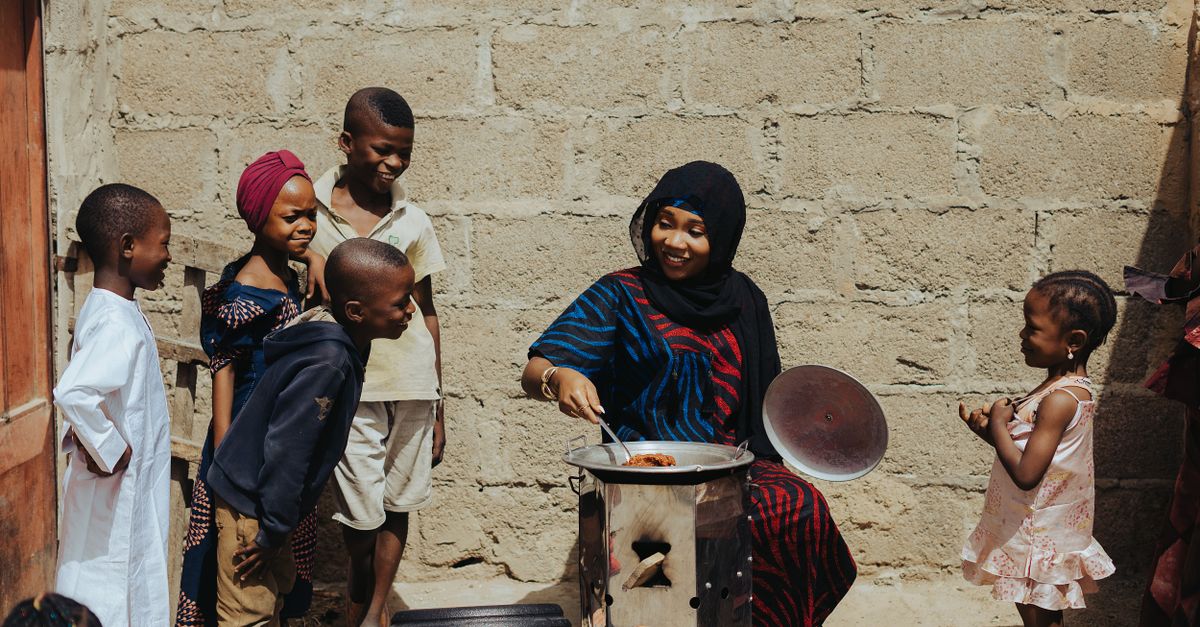
The mistake outsiders make? They try to formalize everything. They want spreadsheets and logos and social media strategies. But development that ignores culture is development that fails. The most successful food-based community projects I’ve seen treat traditional knowledge as intellectual property worth protecting, not primitive practices to be “modernized.”
The 3 Things Nobody Tells You About Food as Infrastructure
Let me break down what actually works. I’ve tested these in three different countries, and they’re counterintuitive.
1. The most effective food project is NOT a farm.
Everyone wants to start a community garden. They’re photogenic. They’re Instagrammable. But let’s be real: you can’t feed a neighborhood on kale and tomatoes. What actually transforms communities? Processing and distribution. A community-owned mill that grinds local grains. A shared commercial kitchen where grandmothers can sell their frozen soups. A mobile market that goes to food deserts. These are the infrastructure projects that create jobs and access simultaneously. Farming is romantic. Processing is profitable.
2. You need to pay people — and pay them well.
I can’t tell you how many “volunteer-driven” food projects I’ve seen burn out within a year. The same people doing the work — usually women, usually low-income — are expected to donate their time while someone with a master’s degree gets a salary. That’s not development. That’s exploitation with a nonprofit logo. The projects that last? They pay living wages. They treat cooks as professionals. They recognize that food work is skilled labor.
3. The best marketing is a full stomach.
You don’t need a website. You need a taste. I’ve seen a community kitchen in a housing project grow from serving 20 people to 500 people a week — just by word of mouth. One plate of perfectly seasoned beans and plantains, and people come back. They bring their neighbors. They ask how they can help. Food doesn’t need a pitch deck. It needs to taste good.

Why Most "Food Justice" Projects Actually Widen Inequality
This is where I might lose some readers, but stay with me. The language of “food justice” has been co-opted by people who have never been food insecure. It’s become a buzzword for grant applications, not a lived reality.
Here’s what I’ve observed: when a wealthy nonprofit comes into a low-income community with a “food desert” solution, they often bring their own leadership, their own suppliers, their own values. They open a farmers market that doesn’t accept SNAP benefits. They push organic produce that locals can’t afford. They lecture people about processed foods while ignoring the fact that a mother working two jobs needs convenience.
The truth is: food sovereignty means the community decides what’s on the plate. Not a nutritionist from a university. Not a chef from a fancy restaurant. The community.
I’ve found that the most sustainable model is what I call “co-creation with respect.” You bring resources. The community brings knowledge. You don’t replace their food culture — you strengthen it. In practice, this looks like:
- Funding existing home-based cooks to scale up
- Providing commercial kitchen access without forcing certification that excludes elders
- Creating distribution channels for traditional foods that are often stigmatized by health authorities
- Letting the community define “healthy” on their own terms
The Surprising Role of Street Food in Economic Mobility
Let’s talk about something most development reports ignore: street food vendors are the most effective small business incubators in existence.
I’m serious. No business plan. No bank loan. No formal training. Yet millions of women around the world have built financial independence starting with a pot of stew and a roadside table. In Thailand, street food vendors have higher profit margins than many small restaurants. In Nigeria, the pepper soup lady on the corner might be earning more than a recent university graduate.
What if we stopped trying to “formalize” street food and started treating it as the training ground it already is?
I’ve worked with a program in Accra that does exactly this. Instead of forcing vendors into licensed restaurants, they provided:
- Improved sanitation equipment that fits their existing setup
- Collective purchasing power for ingredients
- Mobile payment systems that track revenue
- A peer lending circle for emergencies
This is the mindset shift most community development efforts miss: you don’t bring solutions to a community. You find the solutions already operating under the radar and amplify them.

How to Build a Food Community That Actually Lasts
After years of watching projects succeed and fail, I’ve distilled this down to a simple framework. If you’re thinking about starting a food-based community development project, ask yourself these questions first:
- Who already has the knowledge? Find the elders, the home cooks, the women who’ve been feeding the neighborhood for decades. They’re your first consultants, not your last.
- What’s the bottleneck? Is it access to ingredients? Equipment? Distribution? Market access? Most projects fail because they solve the wrong problem. I’ve seen a community garden flourish but nobody could get the produce to people who needed it.
- Is there a path to ownership? The project should be designed so that community members can eventually own and operate it independently. If you’re designing something that requires your perpetual presence, you’re designing dependency.
- Are you willing to be wrong? The community might reject your organic kale. They might prefer frozen fish over fresh. They might want to sell sugary drinks alongside your health initiative. Development without humility is colonization.
The Dish That Changed My Perspective
I’ll leave you with a story. A few years ago, I was in a small town in Oyo State, visiting a women’s cooperative that ran a community kitchen. They served me a bowl of amala and ewedu — simple, humble food. But the woman who cooked it, Mama Funmi, had been doing this for 40 years. She used the same pot her mother used. She knew exactly which market stall had the best leaves. She taught her daughter, who now runs the kitchen’s social media.
That bowl of amala wasn’t just lunch. It was 40 years of accumulated wisdom, economic survival, and community trust served on a metal tray. And it cost less than a dollar.
We spend billions on food development programs that fail. But Mama Funmi’s kitchen has been running for four decades with zero outside funding. Maybe the development isn’t about bringing new ideas. Maybe it’s about recognizing the ones that are already working.
The next time you see a food project in your community, ask yourself: Who’s really in charge? Who’s eating? And who’s getting paid?
The answers will tell you everything.


