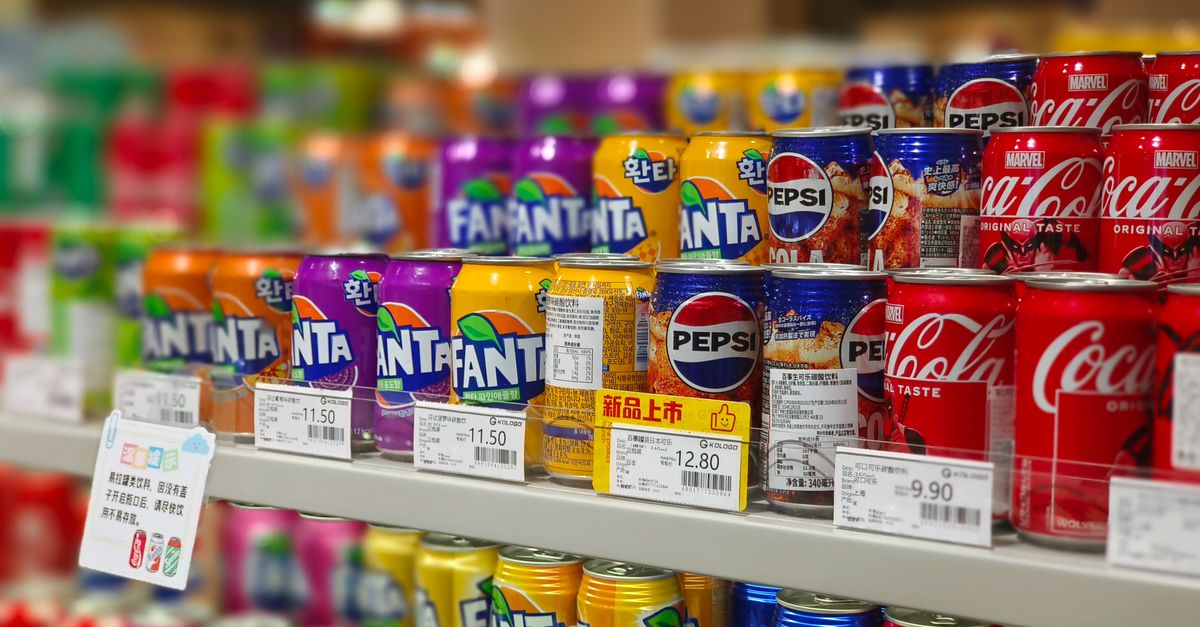
I nearly choked on my oat milk latte when I saw the receipt. Eighteen dollars for a bag of groceries that barely filled one reusable tote. I stood there in the fluorescent glow of the supermarket, clutching my card like it had personally betrayed me. We’ve all been there, right? The grocery budget feels less like a plan and more like a suggestion these days. It’s tempting to think luxury eating is dead—reserved for influencers with sponsored content deals and people who don’t blink at $12 avocados.
But here’s the truth I’ve discovered after years of cooking on a shoestring: Luxury isn’t about the price tag; it’s about the intention. You can eat like a queen without the royal tax. It takes a little cunning, a dash of creativity, and a willingness to flip the script on what "fancy" actually means. Let’s get into the good stuff.
The "Cheap" Cut That Tastes Like a Steakhouse Secret
Let’s be honest: nobody needs a ribeye to feel rich. I’ve found that the butcher counter is where budget dreams go to thrive, if you know what to ask for. Skip the pre-packaged chicken breasts and look for cuts that require a little love but deliver massive flavor.
Think about beef chuck, pork shoulder, or even lamb neck. These are the workhorses of the culinary world. They’re tough, yes, but they’re also marbled with fat and connective tissue that, when cooked low and slow, melts into something so tender it rivals any high-end bistro plate.
My go-to move? A French-style beef stew using chuck roast. It costs a fraction of filet mignon, but after three hours braising in red wine and herbs, it tastes like it cost a fortune. Nobody at your dinner table will know you spent $8 on the meat instead of $30. The secret is patience, not pennies.
The Pantry Power Move That Fools Everyone
Here’s what most people miss: Your spice rack is the ultimate luxury accessory. A $2 jar of smoked paprika or a $3 bottle of toasted sesame oil can transform a humble bowl of rice and beans into something you’d proudly serve to guests.
I’m not talking about the sad, dusty spice bottles from 2019. I’m talking about investing in a few high-impact items that punch way above their weight. Think:
- Fish sauce (adds umami depth to anything savory)
- Smoked salt (a finishing touch that feels gourmet)
- Harissa paste (spicy, tangy, and instantly elevates eggs or roasted veggies)
- Nutritional yeast (for that cheesy, nutty flavor without the dairy price)

The Grocery Store "Golden Hour" (And Why You’re Missing It)
Timing is everything, and I’m not just talking about cooking. I’ve discovered that shopping at the right time can slash your bill by 30% or more, without clipping a single coupon.
Most people hit the store on Saturday morning with the masses. Instead, try going on a Tuesday or Wednesday evening, right before the store closes. This is when the markdown magic happens. Butcher counters and bakery sections are slapping 50% off stickers on items that are perfectly fine—they just need to be used or frozen that day.
I once scored a whole rotisserie chicken for $2.99 because it was 30 minutes from the "sell by" date. I took it home, shredded it, and made three meals: chicken salad, tacos, and a soup. That one trip felt like a heist. Look for the discounted section, usually tucked away near the back, and don't be afraid to ask the staff when they do their markdowns. They usually tell you.
Stop Throwing Away "Scraps" (That’s Liquid Gold)
We’ve been conditioned to think that the ends of carrots, the peels of onions, and the bones from last night’s chicken are trash. Let me tell you, that’s the hidden goldmine of budget luxury.
Start a "scrap bag" in your freezer. Every time you chop veggies, toss the peels and ends in the bag. When the bag is full, dump it in a pot with water, cover it, and simmer for an hour. You’ve just made a rich, flavorful stock that costs nothing. Use that stock to cook your rice, braise your cheap cuts of meat, or make a soup that tastes like it’s been simmering for days.
This isn’t just frugal; it’s resourceful. It’s the kind of cooking that grandmas did and that high-end chefs preach. When you use every part of the ingredient, you’re not just saving money—you’re cooking with respect. And that, my friends, is the ultimate luxury.

The "Egg" Is Your Best Friend (Seriously)
If I had to pick one ingredient to survive on, it would be the egg. It’s the most versatile, cost-effective protein on the planet. But I’m not talking about scrambled eggs on toast (though that’its own kind of comfort). I’m talking about the fancy applications that make people think you took a culinary class.
- Shakshuka: Eggs poached in a spiced tomato sauce. It’s a one-pan wonder that looks vibrant and tastes like a North African feast. Serve with crusty bread, and you’ve got a dinner party centerpiece for less than $5.
- Egg yolk raviolo: Okay, this is a bit pro, but hear me out. You can make a simple pasta dough, fill it with ricotta, and top it with a raw egg yolk. When you cut into it, the yolk runs out like a sauce. It’s dramatic, it’s delicious, and it costs pennies.
The "Frozen Aisle" Renaissance
There’s a stigma around frozen food that needs to die. We’re not talking about frozen pizzas and TV dinners. We’re talking about the quality frozen ingredients that are often more nutritious and cheaper than their "fresh" counterparts.
Frozen peas, for example, are picked and frozen at peak ripeness, meaning they’re sweeter than the sad, shriveled ones in the produce aisle. Frozen wild blueberries are cheaper than fresh and perfect for smoothies or baking. And frozen shrimp? A bag of raw, peeled shrimp is a quick protein that feels decadent but is often on sale for a steal.
I’ve built entire "fancy" meals from the frozen section: a risotto with frozen peas and pan-seared frozen shrimp, or a quick berry compote for dessert. Don’t sleep on the freezer; it’s your secret weapon for spontaneous luxury.

The "Bistro" Mindset (It’s All in the Plating)
Here’s the final piece of the puzzle, and it’s totally free. You eat with your eyes first. I could serve you the same pasta on a paper plate and on a nice ceramic bowl, and you’d swear the ceramic bowl version tastes better.
So, lean into the ritual. Light a candle. Use the "nice" plates. Fold the napkin. Pour your sparkling water into a wine glass. These little acts of ceremony signal to your brain that this is a special occasion, even if it’s just a Tuesday night.
I’ve found that when I plate my food with a little care—wiping the rim of the bowl, drizzling the sauce with intention, adding a sprig of parsley—the meal feels like a five-star experience. The cost is zero, but the payoff is immense. Luxury is a mindset, not a budget line.
The Final Bite
Look, the economy is wild, and grocery prices are a rollercoaster we didn’t ask to ride. But you have more control than you think. You don't need to sacrifice flavor or joy to stay within budget. You just need to be smarter, more intentional, and a little more creative.
Next time you’re at the store, don’t look at the price tags with dread. Look at them as a puzzle. How can you turn this humble ingredient into something spectacular? I promise you, the answer is almost always "yes."
Now, I want to hear from you. What’s your favorite budget-friendly "luxury" hack? Drop it in the comments below—I’m always looking for new tricks to add to my own kitchen arsenal.


