Remember that time you spent $18 on a tiny bowl of açai, sprinkled with bee pollen you’re pretty sure was just for the ‘gram? Yeah, me too. We’ve all been hypnotized by the superfood du jour, the one plastered across every trendy cafe menu. But what if I told you the most potent, transformative ingredients aren’t always the most photogenic or expensive? What if the real nutritional powerhouses are hiding in plain sight, waiting in the bulk bins of your local grocery store?
Let’s be honest, the superfood industrial complex can be exhausting. It’s time to look beyond the usual suspects. After years of culinary experimentation and more than a few digestive “adventures,” I’ve found that the most exciting foods are often the ones with history, texture, and a flavor profile that doesn’t just scream “I’M HEALTHY.” Here are the three underrated superfoods that deserve a permanent spot in your pantry.

The Ancient Grain That Puts Quinoa to Shame
We crowned quinoa, and it deserved its moment. But have you met black barley? This isn’t the mushy, bland pearl barley from your childhood soup. This is its chewier, nuttier, and far more intriguing cousin. With a stunning deep purple hue (thanks to anthocyanins, the same antioxidants in blueberries), it holds its shape beautifully, offering a satisfying al dente bite.
Here’s what most people miss: its resistant starch content. This is a type of carbohydrate that acts more like fiber, feeding the good bacteria in your gut. A happy gut means better digestion, a stronger immune system, and even potential benefits for blood sugar control. I toss cooled black barley into salads for heft, use it as a base for grain bowls instead of rice, or stir it into a morning porridge with cinnamon and almond butter. It’s a versatile whole grain that brings substance and a nutritional punch to any meal.
The Seaweed That Won’t Taste Like the Ocean Floor
I know what you’re thinking. “Seaweed? Lucas, I’m not a sushi roll.” But stay with me. Dulse is the gateway seaweed. It’s a red algae that, when dried and flaked, transforms into something magical: a salty, umami-rich seasoning that vaguely whispers of bacon. Seriously.
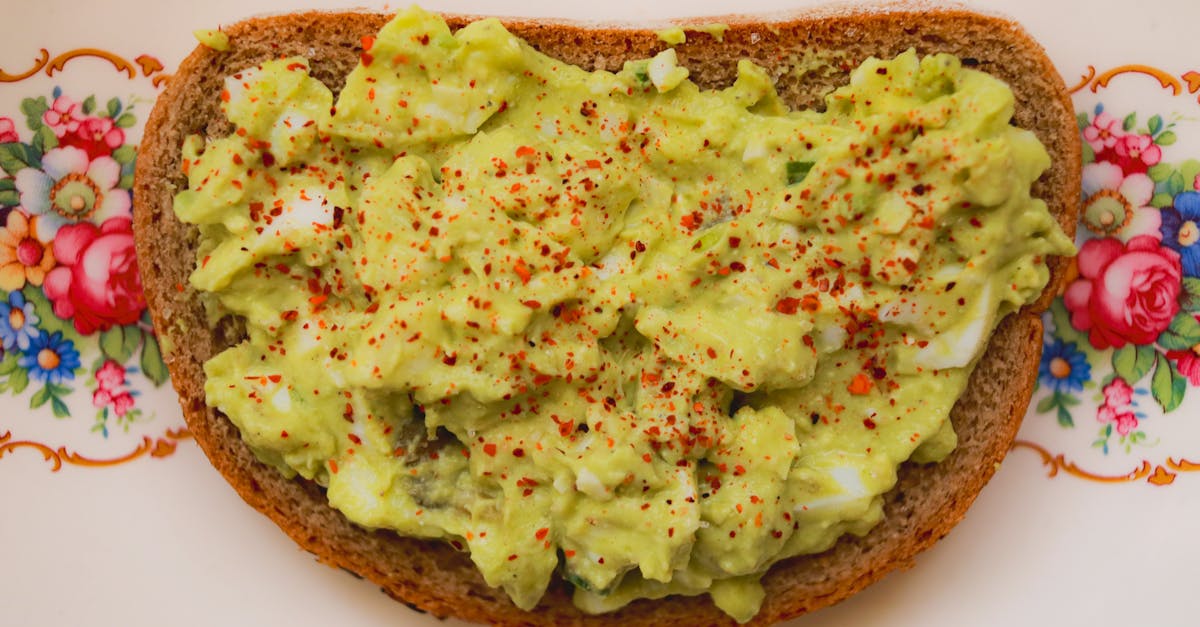
Its superpower? Iodine and trace minerals. In our modern, processed diets, getting a full spectrum of essential minerals is a challenge. Dulse is a natural, bioavailable source of iodine (crucial for thyroid function), iron, potassium, and B vitamins. The best part? You don’t need to cook a seaweed salad. Just sprinkle the flakes. Popcorn: The ultimate game-changer. A drizzle of olive oil, dulse flakes, and a bit of nutritional yeast. Avocado Toast: Okay, you can have it, but top it with dulse and red pepper flakes. Soup & Dressings: A pinch finishes a miso soup or vinaigrette with incredible depth.
It’s the secret ingredient that makes people ask, “What is* that flavor?” without a hint of suspicion.
The Seed Your Gut Has Been Begging For
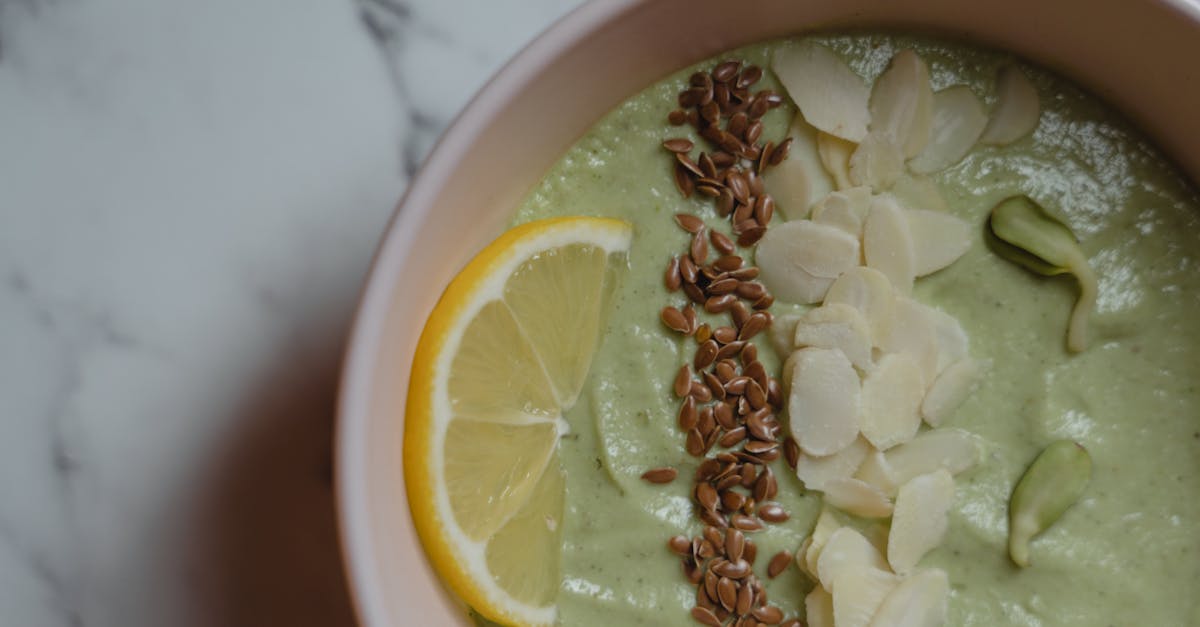
We all know about chia seeds. They’re great. But their less-fussy, more potent relative is golden flaxseed. The key? You must grind them. Whole flaxseeds can pass right through you, but ground flaxseed (or flax meal) unlocks its true potential.
This is where the magic happens. Flax is one of the richest plant-based sources of omega-3 fatty acids (ALA) and lignans, which have powerful antioxidant and phytoestrogen properties. But its most immediate benefit is its soluble fiber. Mix a tablespoon of ground flax with a few tablespoons of water, let it sit for 5 minutes, and you get a gelatinous “flax egg” – a fantastic vegan binder for baking. That same mucilaginous quality is a gentle, brilliant regulator for your digestive system.
I add a tablespoon to my morning smoothie (you won’t taste it), mix it into oatmeal, or use it as a breadcrumb substitute to add a nutty crust to baked chicken or fish. It’s the effortless nutritional boost you can incorporate daily.
How to Actually Use Them (Without the Fuss)
Adopting a new ingredient can be daunting. So don’t overhaul your life. Just swap and sprinkle.
- The One-for-One Swap: Next time a recipe calls for rice, quinoa, or farro, use black barley. The cooking method is similar (simmer in broth for about 45 minutes), but the payoff in texture and nutrition is huge.
- The Pantry Sprinkle: Keep a jar of dulse flakes and ground flaxseed right next to your salt and pepper. Make it a habit to add a pinch to eggs, salads, roasted veggies, or soups as you finish the dish.
- The Weekly Prep: Cook a big batch of black barley on Sunday. Store it in the fridge. You now have a ready-made base for lunches all week.

The Real Meaning of "Superfood"
Chasing superfoods isn’t about finding a single miracle cure. It’s about building a richer, more diverse pantry. It’s about discovering ingredients that nourish you deeply and excite your inner cook. Black barley, dulse, and golden flaxseed aren’t just nutrient-dense; they’re story-dense. They connect us to ancient culinary traditions and offer a delicious rebellion against bland, overhyped health trends.
So, the next time you’re at the store, skip the overpriced superfood powder and wander to the bulk section. Grab some inky-black barley, find the jar of ruby-red dulse, and scoop some golden flaxseed. Your meals—and your body—will thank you for the upgrade. What’s the first dish you’re going to transform?


