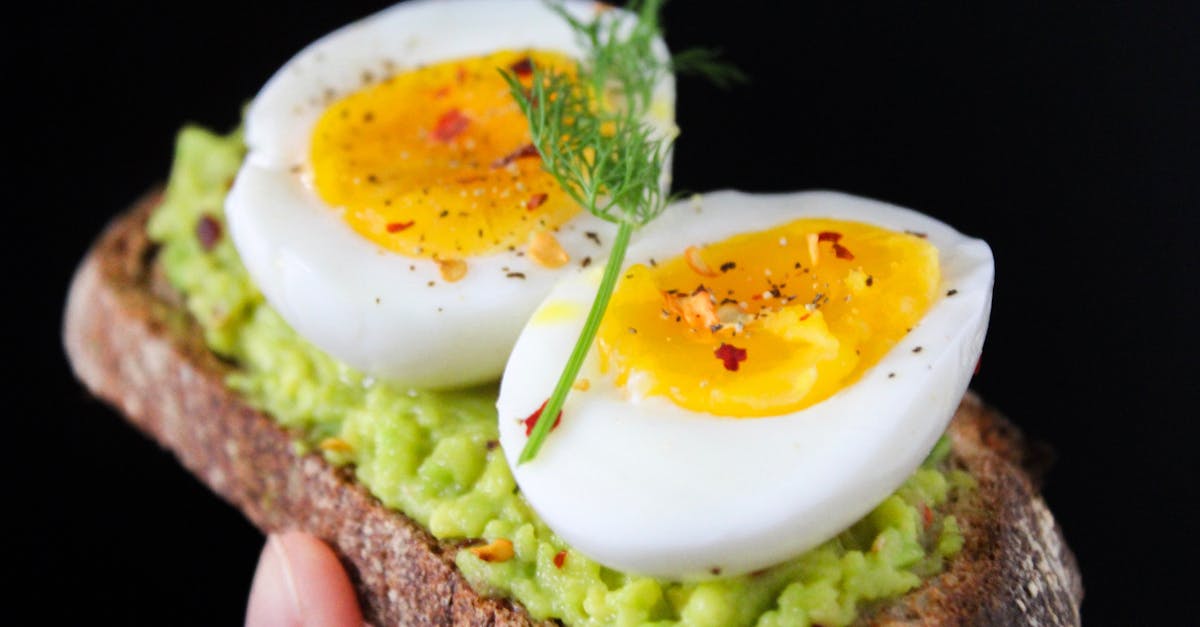
Remember that phase, a few years back, when your entire Instagram feed was just… avocado toast? Don’t get me wrong, I love a good smashed avo with chili flakes as much as the next person. But somewhere between the 50th artfully staged photo, I started to wonder: is this really the pinnacle of wellness eating? Or are we, maybe, stuck in a superfood rut?
Let’s be honest, the wellness world can feel like a revolving door of trends. One year it’s açai, the next it’s moringa. It’s exhausting. But what if I told you the most powerful, nutrient-dense foods aren’t always the ones with the biggest marketing budgets? They’re the humble, the forgotten, the “wait, you can eat that?” staples hiding in plain sight.
I’ve been on a mission to look beyond the hype, digging into traditional food wisdom and emerging nutrition science. And what I’ve found is a treasure trove of unexpected superfoods that are affordable, sustainable, and shockingly good for you. Ready to give your pantry a glow-up? Let’s move beyond avocado toast and explore five unexpected superfoods you absolutely need to try in 2024.

The Ocean’s Secret Garden: Why Sea Vegetables Are the Ultimate Mineral Boost
When you think of greens, you probably picture spinach or kale. But the most mineral-rich greens on the planet actually grow in the sea. I’m talking about sea vegetables: nori, dulse, wakame, and kelp. Here’s what most people miss: our soil is becoming increasingly depleted of minerals, but the ocean remains a constant, mineral-rich soup.
Sea veggies are a phenomenal source of iodine, essential for thyroid health and metabolism, but they also pack iron, calcium, magnesium, and potassium. A sprinkle of dulse flakes tastes vaguely bacon-y and is incredible on popcorn or salads. Kelp noodles are a fantastic, zero-carb pasta alternative. Start small—a little goes a long way in flavor and nutrition.
Not Just for Birds: The Unbelievable Power of Hemp Hearts
No, this isn’t about that part of the hemp plant. Hemp hearts are simply the shelled seeds of the hemp plant, and they are a nutritional powerhouse that deserves a permanent spot in your kitchen. They have a mild, nutty flavor, like a cross between a sunflower seed and a pine nut.
What makes them a true unexpected superfood? Their perfect protein profile. They contain all nine essential amino acids, making them a complete protein—rare in the plant world. They’re also packed with omega-3 and omega-6 fatty acids in the ideal ratio for human health. I toss them into smoothies, over yogurt, into baked goods, or use them to make a dairy-free “parmesan.” They add a protein punch without altering flavor.

The Ancient Seed of Blessing: Nigella Seeds (Kaloonji)
Ever seen tiny, black, tear-shaped seeds on top of a fancy flatbread? That’s nigella sativa, often called black seed or kaloonji. Revered for millennia in Ayurvedic and Middle Eastern traditions as a “seed of blessing,” modern science is now catching up to its benefits.
These tiny seeds are loaded with thymoquinone, a compound studied for its potent antioxidant and anti-inflammatory properties. Flavor-wise, they’re earthy, slightly bitter, and peppery. You don’t need supplements. The magic is in using the whole seed. Toast them lightly in a dry pan to awaken their aroma, then sprinkle over avocado toast (see, we’re evolving it!), soups, roasted vegetables, or into bread dough. A little sprinkle feels like a secret chef’s kiss of wellness.
The Forgotten Fiber Hero: Psyllium Husk
Okay, stick with me. I know psyllium husk sounds about as exciting as cardboard. It’s that fiber supplement your grandma might have. But hear me out—when used creatively, it’s a kitchen game-changer. This soluble fiber from the Plantago plant’s seeds is a prebiotic, meaning it feeds the good bacteria in your gut.
But here’s the fun part: when mixed with water, it forms a gelatinous binder that’s perfect for gluten-free and egg-free baking. I use it to make fluffy pancakes, thicken smoothies, or create perfect, chewy vegan burger patties. It’s the ultimate “health food” that actually improves texture. A tablespoon can transform a recipe from crumbly to cohesive. It’s the quiet, unassuming hero your gut and your gluten-free muffins have been waiting for.

Purple Power: Why Black Rice is the New Super Grain
Move over, quinoa. There’s a darker, more intriguing grain in town. Black rice, sometimes called “forbidden rice” because it was once reserved for Chinese emperors, is a stunning deep purple when cooked. That color is your clue to its superpower.
The hue comes from anthocyanins, the same powerful antioxidants found in blueberries and blackberries. Gram for gram, black rice often contains more anthocyanins than blueberries! It has a lovely, slightly sweet, nutty flavor and a satisfying chewy texture. It makes a breathtaking base for grain bowls, salads, or even rice pudding. Eating it feels decadent and deeply nourishing at the same time.
So, what’s the takeaway? True nutritional wisdom isn’t about chasing expensive, exotic powders shipped from across the globe. It’s often about looking closer, rediscovering ancient staples, and finding the extraordinary in the seemingly ordinary.
This year, I challenge you to pick just one of these unexpected superfoods and invite it into your kitchen. Make it a game. Can you find dulse at your local health store? Can you turn black rice into a show-stopping dinner party side? Trust me, the journey is half the fun. Your body—and your taste buds—will thank you.
Now, tell me in the comments: which of these are you most excited to try? Or do you have an unexpected superfood of your own? Let’s build a 2024 pantry that’s truly powerful.


