My grocery bill last month was $187. For two people. And I live in Austin, where "affordable" is a word realtors use to describe a $600k bungalow with a leaky roof.
I stood in my kitchen staring at the receipt like it had personally insulted my mother. Somewhere in there was a $9 bag of frozen dragon fruit and a $12 jar of cashew butter that I'd bought because an influencer with perfect skin told me it would "reset my gut." Reader, it did not reset my gut. It reset my savings account.
That night I did what any mildly unhinged wellness enthusiast does: I texted three dietitian friends and asked them what they actually eat when nobody's filming. Not the sponsored stuff. The real stuff. The "I have $40 left until payday and I still want to feel like a functional human" stuff.
Their answers surprised me. Turns out the most overrated food in the wellness aisle is also the most photographed.
The Avocado Toast Problem Nobody Wants to Admit
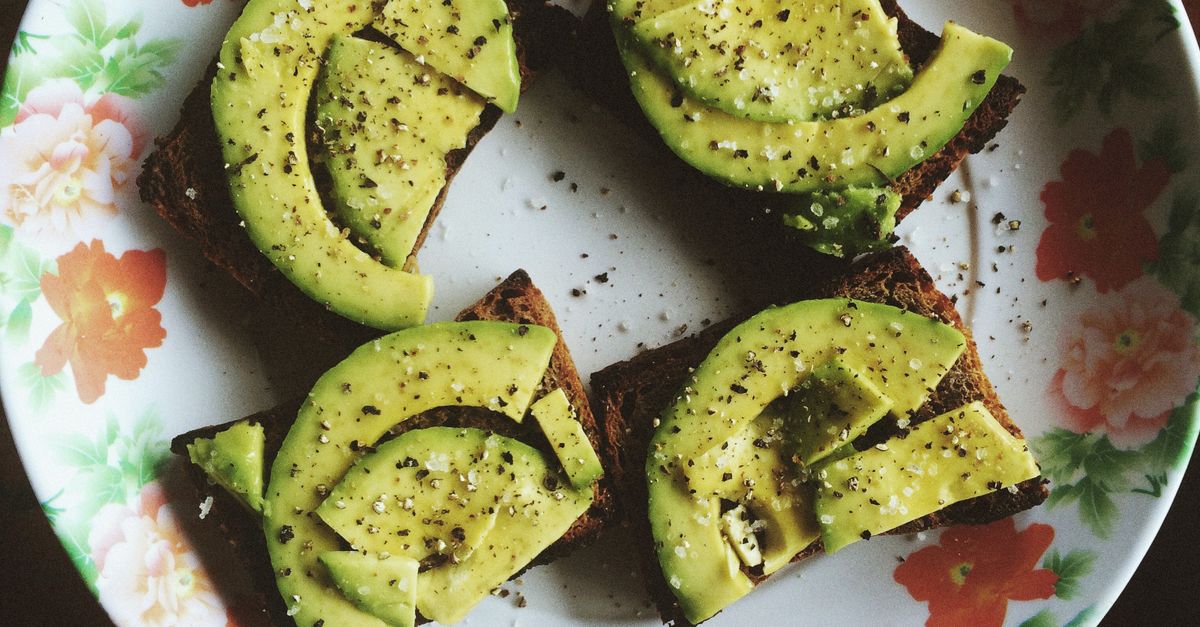
Let's be honest — avocado toast isn't the villain here. The villain is the superfood industrial complex that convinced us wellness has a price tag.
I've found that most people assume "superfood" means "expensive imported berry that tastes like a sad raisin." And sure, açaí bowls are lovely if you enjoy paying $14 for something that's 60% frozen banana. But the dietitians I spoke with kept circling back to the same point: the most nutrient-dense foods on earth are usually the ones your grandmother bought without thinking twice.
Here's what most people miss — the cheapest foods in the grocery store are often the most studied. Lentils. Sardines. Oats. Cabbage. These aren't glamorous. They don't have their own Instagram filters. But the research behind them is genuinely staggering.
So I asked my three dietitian friends to name the budget-friendly superfoods they actually keep in their own kitchens. Their answers overlapped more than I expected. Here's the list.

1. Sardines — The $2 Protein That Beats Most Supplements
I know. I can feel you closing this tab.
Stay with me. Canned sardines run about $1.50 to $2.50 a tin, and they're one of the few foods that deliver omega-3s, vitamin D, calcium, and B12 in a single hit. My dietitian friend Priya calls them "the multivitamin that swims."
The trick is buying them packed in olive oil and mashing them into toast with lemon and chili flakes. You won't taste the fish. You'll taste the lemon. I promise.
2. Frozen Spinach — Cheaper Than Fresh and Nutritionally Identical
Fresh spinach is a scam. There, I said it.
It wilts in 48 hours, costs $4 a bag, and gives you maybe two servings. Frozen spinach costs $1.50, lasts for months, and retains nearly all its nutrients because it's flash-frozen at peak ripeness. Toss a handful into eggs, smoothies, pasta sauce — it disappears.
3. Canned Pumpkin — The Fiber Powerhouse Hiding in the Baking Aisle
Not pumpkin pie filling. Plain canned pumpkin. It's about $1.50 a can and delivers fiber, vitamin A, and potassium in a way that most "gut health" powders can't touch.
Stir it into oatmeal. Blend it into a smoothie. Add it to chili. It makes everything creamier and nobody knows why.
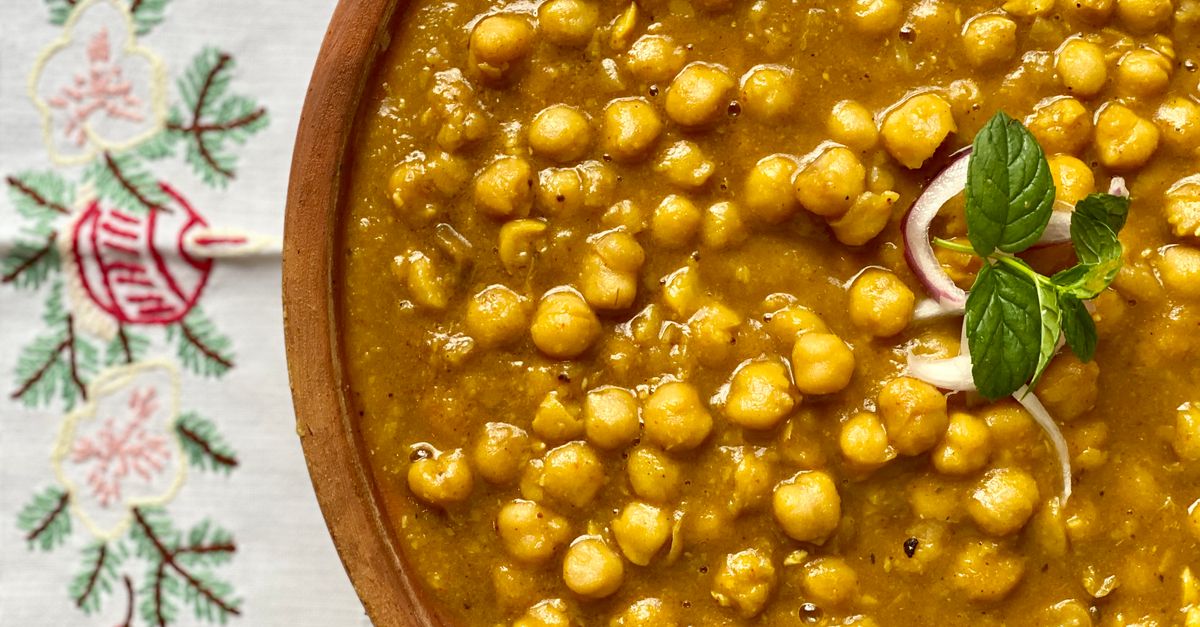
4. Lentils — The Cheapest Protein Per Gram in the Store
A pound of dried lentils costs around $2 and gives you roughly 12 servings of protein, fiber, and iron combined. That's not a typo. Lentils are the single best value in the entire grocery store, and they've been quietly feeding civilizations for 8,000 years while we all chased kale chips.
5. Eggs — Still Undefeated, Still Under $5
The egg discourse has been exhausting. Are they good? Bad? A conspiracy? Here's the truth: eggs remain one of the most complete protein sources available, and a dozen still costs less than a single cold-pressed juice. Cook them however you want. I won't judge.
6. Oats — The Breakfast That Outperforms Most Cereals
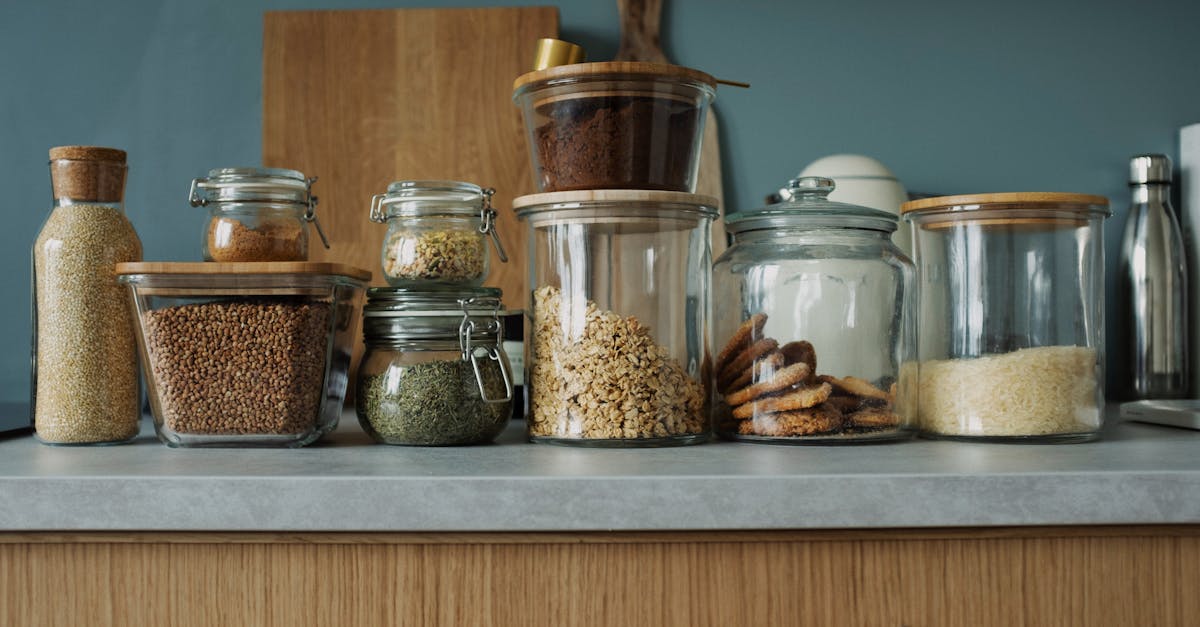
Rolled oats cost pennies per serving and deliver beta-glucan, a fiber that's been linked to better cholesterol and steadier blood sugar. My friend Dana eats them savory with an egg on top. I eat them sweet with peanut butter. Both of us are winning.
7. Cabbage — The Vegetable Nobody Bothers to Market
Cabbage has no PR team. No influencer is shilling cabbage. And yet it's packed with vitamin C, vitamin K, and fiber, costs about $1 a head, and lasts for weeks in the fridge. Slaw it, roast it, ferment it. It just works.
8. Greek Yogurt — Protein Density for the Price of a Coffee
A big tub of plain Greek yogurt costs the same as one fancy latte and gives you a week of high-protein breakfasts. Buy plain, add your own honey and fruit. The flavored stuff is mostly sugar wearing a health costume.
9. Sweet Potatoes — The Carb That Doesn't Hate You
Sweet potatoes cost about $1 each and deliver vitamin A, potassium, and slow-burning carbs that keep you full for hours. Roast them, mash them, microwave them in five minutes when you're too tired to function. They're the most forgiving vegetable in existence.
10. Frozen Berries — The Superfood That's Actually Cheaper Frozen
Fresh blueberries in January are a financial crime. Frozen berries cost half as much, taste just as good in smoothies and oatmeal, and retain their antioxidants because they're frozen at harvest. Stop paying the fresh-berry tax.

The Real Superfood Was the Grocery Aisle We Ignored
Here's my honest take: the wellness industry has spent two decades convincing us that health is a luxury purchase. That you need the imported powder, the $14 smoothie, the subscription box. Meanwhile, the foods with the strongest evidence behind them are sitting in the same aisle your grandmother shopped in, priced for people who actually have a budget.
I'm not saying never buy the dragon fruit. I'm saying stop letting a marketing team tell you what your body needs.
Next time you're in the store, do one thing: pick up a can of sardines or a bag of lentils. Cook them badly. Add too much garlic. See how you feel. That's the whole experiment.
Because the best superfood isn't the one with the prettiest packaging — it's the one you can afford to eat every single week.


