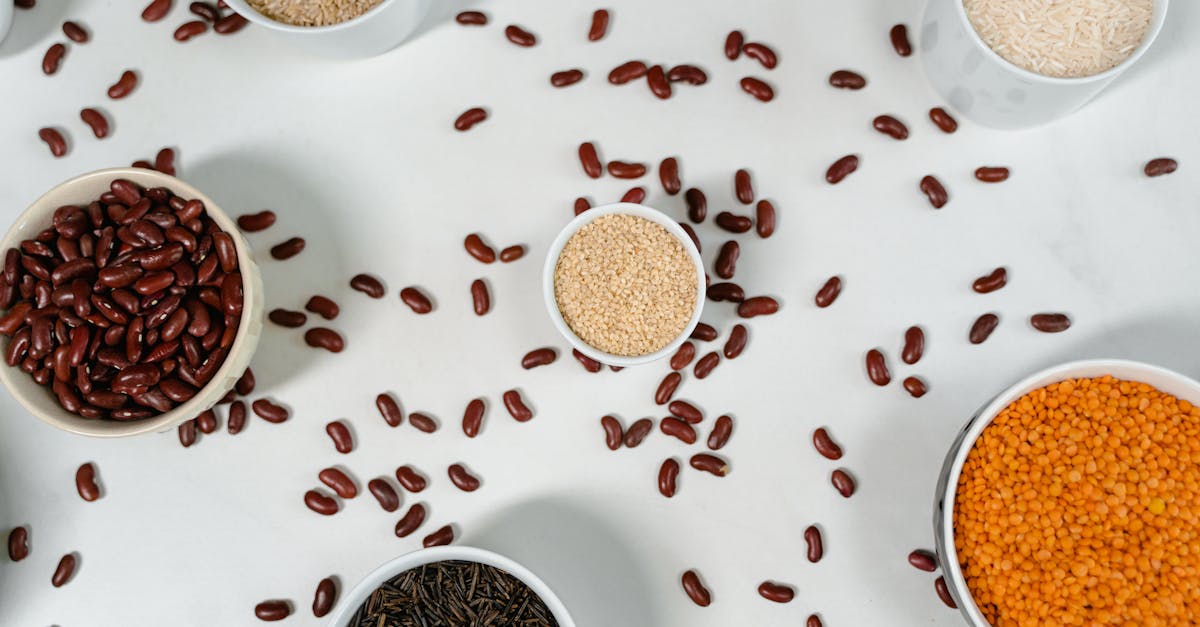
Did you know that the average person could meet their daily protein needs with just one cup of lentils? That’s about 18 grams of protein, more than two eggs, and yet the myth that plant-based eating is a protein desert persists. I get it. For years, my own forays into vegetarian cooking resulted in sad, mushy legumes and bland tofu that even my dog side-eyed. The problem isn’t the protein source—it’s the preparation.
Let’s be honest, nobody wants to choke down another chalky protein shake or a bland bean burger for the sake of “health.” Food should be a joy. The good news? Science and clever culinary tricks have completely rewritten the rules. Building delicious, protein-packed meals from plants isn’t just possible; it’s downright exciting. Here are the five hacks that transformed my kitchen from a temple of tempeh tragedy to a plant-powered paradise.
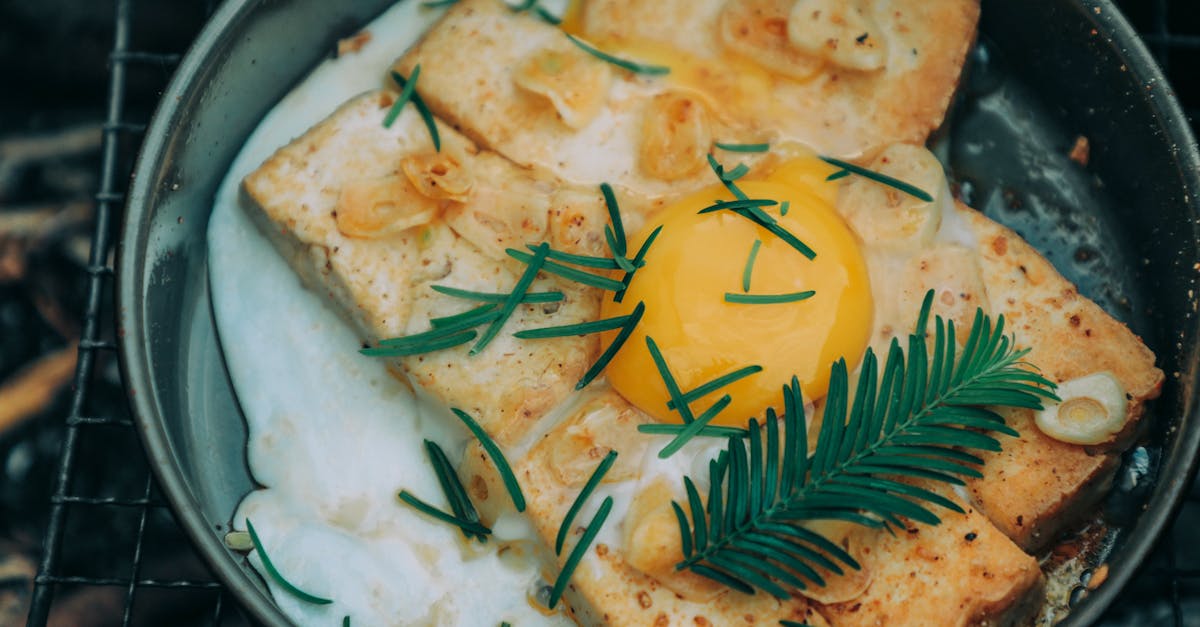
Hack #1: The Freezer is Your Flavor Bomb (Especially for Tofu)
Here’s what most people miss: texture is everything. That soft, sometimes slimy texture of fresh tofu is its biggest hurdle. But a simple stint in the freezer works absolute magic. When you freeze tofu (drain it first, pop the whole block in a freezer bag), the water inside expands, creating thousands of tiny ice crystals that puncture the protein structure.
When you thaw it, all that water drains away, leaving behind a spongy, porous matrix that’s begging to soak up marinades. A 2021 study in the International Journal of Gastronomy and Food Science highlighted that freeze-thaw cycles significantly increase tofu’s porosity and oil-absorption capacity. In plain English? It gets chewier, meatier, and holds flavor like a dream. Thaw it, squeeze out the water, tear it into craggy chunks (more surface area than cubes!), marinate aggressively, and bake or air-fry until crispy. You’ll swear it’s a different food.
Hack #2: Unleash the Umami Underground with Nutritional Yeast
If you think “nutritional yeast” sounds like something from a lab, you’re in for a shock. This flaky, golden powder is the secret weapon of plant-based chefs. Scientifically, it’s a deactivated yeast (Saccharomyces cerevisiae) packed with glutamates—the compounds responsible for the savory, mouthwatering fifth taste known as umami.
Our taste receptors go wild for umami because it signals the presence of protein. Sprinkle “nooch” on popcorn, stir it into soups and sauces for a cheesy, nutty depth, or use it as a base for vegan “Parmesan.” It’s not just a flavor hack; it’s a complete protein, often fortified with B12. It’s the ultimate two-for-one.

Hack #3: Don’t Cook Your Beans—Toast Them
Boiling beans from a can or pot is fine. It’s safe. It’s… boring. To unlock a deeper, nuttier, and profoundly more satisfying flavor profile, you need dry heat. The Maillard reaction—the same beautiful chemical process that browns your steak and toasts your bread—is your goal.
For canned beans: drain, rinse, and pat them completely dry. Toss them with a little oil and your favorite spices (smoked paprika is a game-changer), then roast on a baking sheet at 400°F for 20-30 minutes. They become crispy on the outside, creamy inside, and infinitely snackable. For lentils, try toasting dry lentils in a dry pan for a few minutes before adding your cooking liquid. It deepens their flavor base immensely. This isn’t just a taste thing; the Maillard reaction creates new, complex aroma compounds that make your brain register the food as more flavorful and satisfying.
Hack #4: The Blending Trick for Silken, Protein-Packed Sauces
This hack is so simple, it feels like cheating. Want a creamy, luxurious pasta sauce, soup, or dip without dairy? Blend cooked white beans or soaked cashews with an acid. The science is in the emulsion and particle size. High-powered blending breaks down the plant cells so completely that the released starches and fats create an impossibly smooth, rich texture.
A cup of canned white beans has about 15 grams of protein. Blend them with garlic, lemon juice, a splash of pasta water, and herbs, and you have an Alfredo-esque sauce that’s both comforting and powerhouse nutritious. The acid (lemon juice, vinegar) is crucial—it brightens the flavor and helps balance the earthy notes of the legumes. You’re not hiding the beans; you’re transforming them into something entirely new.

Hack #5: Spike Your Grains with Pulse Pasta
Sometimes, the hack is in the product itself. Pulse-based pastas—made from lentil, chickpea, or black bean flour—have exploded for a reason. Compared to standard semolina pasta, they offer a massive protein and fiber boost. A typical serving of lentil pasta packs a staggering 20+ grams of protein and 12+ grams of fiber.
The key to making them taste amazing? Don’t overcook them. Follow the package instructions to the minute, and rinse them briefly after draining to stop the cooking process and prevent stickiness. Then, treat them like you would any pasta: pair them with robust, flavorful sauces like a puttanesca, a garlicky walnut pesto, or a rich mushroom ragù. They carry the sauce beautifully and leave you feeling full and energized, not sluggish. It’s the easiest one-to-one swap in your pantry.
So, what’s the real takeaway here? Moving toward more plant-based protein isn’t about sacrifice or settling. It’s about playing with food—using science and smart techniques to hack the flavor and texture codes. It’s about realizing that your freezer, your blender, and your oven are tools to unlock potentials you never knew existed in a humble bean or block of tofu.
The next time you hear someone question where you get your protein, maybe just offer them a crispy chunk of frozen-thawed tofu or a bowl of creamy white bean pasta. The proof, as they say, is in the delicious, protein-packed pudding.
What’s the first hack you’re going to try? Your taste buds (and muscles) will thank you.


