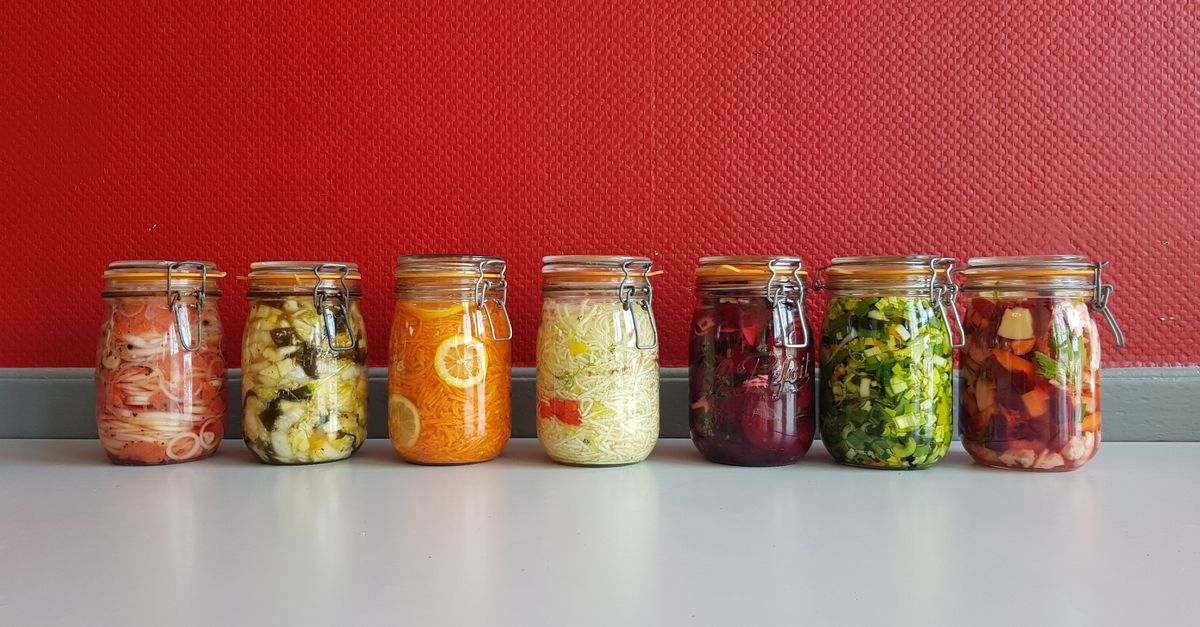
Last Tuesday, I cracked open a jar of homemade kimchi that had been fermenting in my fridge for three weeks. The smell hit me first — that funky, garlicky, almost-pungent aroma that makes some people recoil. My roommate literally backed out of the kitchen. But I took a bite, and man, that crunchy, spicy, sour explosion was better than most meals I’ve paid for this month. Here’s the thing: I didn’t start making fermented foods because I’m some wellness guru. I started because my digestion was a mess after a winter of heavy eating, and I was tired of spending money on probiotic supplements that probably died in the bottle anyway.
Let’s be honest — most people think fermented foods are either weird science experiments or something your hippie aunt makes. But here’s what most people miss: fermentation is actually the oldest food preservation trick in the book, and summer is the absolute best time to get into it. The warmer weather speeds up fermentation, fresh produce is everywhere, and your gut bacteria are literally begging for some variety after months of processed snacks.

Why Summer Is the Gut’s Season of Reckoning
You know that sluggish feeling after a heavy winter meal? That’s your microbiome throwing a tantrum. During colder months, we tend to eat more cooked, dense, and preserved foods — which are fine, but they lack the live enzymes and beneficial bacteria that fermented foods deliver. Summer flips the script. Fresh vegetables are at their peak, temperatures are ideal for lacto-fermentation (that’s the fancy term for the salt-based fermentation we’ll talk about), and your body naturally craves lighter, tangier flavors.
I’ve found that starting a fermentation habit in summer is like planting a garden in April — you set yourself up for success. The microbes are more active, the fermentation times are shorter, and you can actually taste the difference between a batch fermented at 70°F versus 85°F. It’s wild.
5 Fermented Foods That Actually Taste Good (and Won’t Make You Gag)
I’m not going to suggest you start chugging kombucha from a questionable jar you found at a farmer’s market. Let’s be real — some fermented stuff is an acquired taste. But these five? They’re the entry-level stuff that even picky eaters can get behind.
1. Water Kefir (Not Your Grandma’s Dairy Kefir)
Dairy kefir can be a shock to the system if you’re lactose-sensitive. Water kefir, on the other hand, is a light, fizzy, slightly sweet beverage made from sugar water and kefir grains. It tastes like a mild lemonade with a tiny bit of fizz — think of it as a probiotic soda without the weird aftertaste. I make a batch with sliced ginger and lemon, and it’s my go-to afternoon drink instead of iced coffee.2. Lacto-Fermented Pickles (Not the Vinegar Kind)
Most store-bought pickles are just cucumbers soaked in vinegar — they’re dead. Real fermented pickles use salt and water, creating a cloudy brine that’s alive. The texture is crunchier, the flavor is more complex, and they’re packed with Lactobacillus — the same bacteria found in yogurt. Slice them into spears, add some dill and garlic, and you’ve got a summer snack that beats chips any day.3. Sauerkraut (But Make It Summer)
I know, sauerkraut screams Oktoberfest. But homemade summer kraut with thinly sliced cabbage, caraway seeds, and a touch of jalapeño is a whole different beast. It’s lighter, crisper, and the heat from the pepper gives it a kick. Plus, one tablespoon has more probiotics than a bottle of expensive supplements.4. Tempeh (The Protein Powerhouse)
Most people think tempeh is just a sad tofu alternative. Wrong. Properly fermented tempeh has a nutty, mushroom-like flavor and a firm texture that holds up on the grill. Slice it thin, marinate it in soy sauce and maple syrup, and throw it on the barbecue — it gets crispy edges and a smoky flavor that’ll convert any skeptic. Plus, it’s a complete protein, which makes it perfect for summer salads.5. Kimchi (The Rockstar of Fermentation)
Kimchi is the MVP. It’s spicy, crunchy, funky, and absolutely addictive. Korean kimchi traditionally uses napa cabbage, Korean chili flakes (gochugaru), fish sauce, and a paste made from ginger and garlic. But here’s the secret: you can adapt it to whatever vegetables are in season. I’ve made incredible kimchi with radishes, cucumbers, and even green tomatoes. The fermentation process transforms the flavors into something that’s simultaneously sour, spicy, and umami-rich.
The Simple Kimchi Recipe That Changed My Gut (and My Summer)
I’ve tested about a dozen kimchi recipes, and most of them are unnecessarily complicated. Here’s my stripped-down version that works every time. The key is patience — not precision.
Ingredients:
- 1 medium napa cabbage
- 1/4 cup sea salt (non-iodized — iodine kills fermentation)
- 4 cups water
- 1 tablespoon grated ginger
- 4 cloves garlic, minced
- 2 tablespoons gochugaru (Korean chili flakes — adjust for spice preference)
- 1 tablespoon fish sauce (or soy sauce for vegan version)
- 1 bunch green onions, chopped
- 1 carrot, julienned
The Process:
- Quarter the cabbage lengthwise, then chop into 2-inch pieces. Place in a large bowl.
- Dissolve the salt in water and pour over the cabbage. Massage it in, then cover and let sit for 1-2 hours. The cabbage will wilt and release liquid.
- Rinse the cabbage thoroughly under cold water — taste a piece; it should be salty but not overwhelming. Drain well.
- Make the paste: Mix ginger, garlic, gochugaru, and fish sauce into a thick, red paste.
- Combine everything: Toss cabbage, green onions, and carrot with the paste. Use gloves unless you want orange hands for a week.
- Pack into a clean jar, pressing down firmly to remove air bubbles. Leave about an inch of headspace. Pour any remaining liquid over the top.
- Ferment at room temperature (65-75°F is ideal) for 3-7 days. Taste daily — it’s ready when it’s sour and fizzy. Then move to the fridge.
Fermentation Isn’t Just About Gut Health — It’s About Control
I’m not going to tell you that eating fermented foods will cure all your problems. It won’t. But here’s what it does do: it puts you back in charge of what you’re eating. When you ferment your own food, you know exactly what’s in it — no hidden sugars, no stabilizers, no artificial flavors. You get to choose the salt level, the spice, the funk. And honestly, there’s something deeply satisfying about opening a jar of something you made that’s still alive and bubbling.
Summer is the perfect time to start because the process is faster, the ingredients are cheaper, and the payoff — a cold, tangy spoonful of kimchi on a hot day — is one of the most underrated pleasures in food.

So here’s my challenge: pick one of these five fermented foods and make a batch this week. Start with the kimchi if you want the biggest bang for your effort. Or try the water kefir if you’re scared of anything too funky. Either way, your gut will thank you — and summer is the only season where fermentation practically does half the work for you.


