
I still remember the exact moment the tap in my grandmother's kitchen in Kumasi sputtered, coughed, and then gave up entirely. We'd been warned about the dry season, sure. But this was different. The municipal trucks came less and less, the borehole queue stretched past the mango tree, and my aunt started rationing the water she used to wash her greens. That was a decade ago. Today, that same scene is playing out in cities that never imagined it would happen to them — and the experts who study this stuff for a living are getting loud about it.
The Map of Thirst Is Being Redrawn
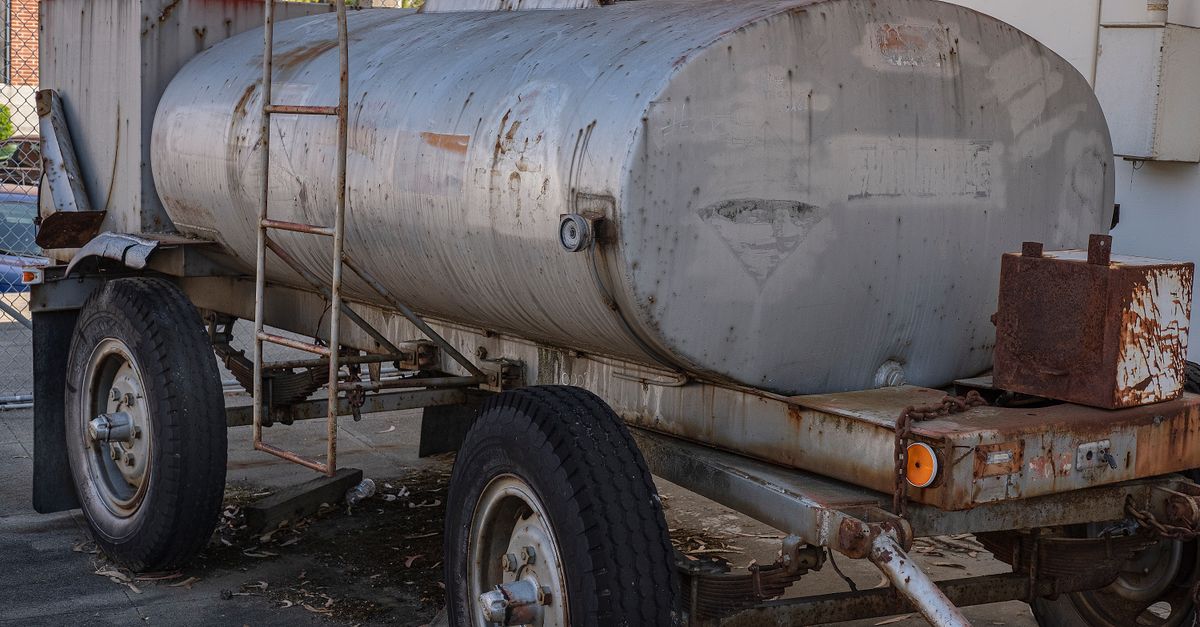
Here's what most people miss about the global water crisis: it's not a slow, gradual thing that creeps up on you. It arrives in shocks. Cape Town's "Day Zero" scare in 2018 was a warning shot. Then came headlines from Mexico City, where reservoirs have hit historic lows and entire neighborhoods rely on tanker trucks. Then Chennai. Then São Paulo. Then a stretch of the American Southwest where the Colorado River's decline has become a slow-motion emergency.
The global water crisis is no longer a developing-world footnote. It's a moving target, and it's moving toward wealthier zip codes.

I've found that when people hear "water crisis," they picture deserts. Wrong. Some of the most water-stressed places on Earth are humid, green, and full of swimming pools. It's about infrastructure, governance, and the gap between what falls from the sky and what actually reaches a faucet. When the United Nations' water experts start using phrases like "existential" in press briefings, that's your cue to pay attention.
Why the Experts Suddenly Sound Like Alarmists (They're Not)
Let me be blunt: scientists are not dramatic people by nature. They hedge. They say "likely" and "projected." So when hydrologists and climatologists start talking about a global water crisis in urgent terms, something has genuinely shifted.
Three things, as I see it:
- Groundwater is disappearing faster than it's being replaced. Aquifers that took thousands of years to fill are being pumped dry in decades. That's not a cycle — that's a one-way street.
- Water demand is exploding. Population growth, agriculture, data centers, mining, and manufacturing all drink from the same cup. And everybody assumes someone else is conserving.
- The climate is scrambling the supply. More floods, yes — but also longer droughts, earlier snowmelt, and rainfall that arrives all at once or not at all. Flooding and scarcity are teammates now, not opposites.
The Invisible Bill You're Already Paying
You might be thinking: my tap works fine, so this is somebody else's problem. Fair enough. But let me ask you something — have you noticed your grocery bill lately?
I've found that the average shopper has no idea how much water is baked into their food. A single kilogram of beef can take thousands of liters of water to produce. Rice, cotton, almonds, coffee — all thirsty crops. When water gets scarce, the cost doesn't vanish. It just gets passed down the chain until it lands on your receipt.
And then there's the quiet stuff. Water utilities in aging cities are leaking staggering percentages of treated water straight into the ground. Power plants need water to cool. Chip fabs and data centers guzzle it. The global water crisis is embedded in the price of nearly everything, and most of us never see the line item.
What Actually Works (And What's Just Noise)
Let's be honest: I've grown allergic to "solutions" that amount to guilt-tripping strangers about shower length. Personal conservation matters, but it's a rounding error against agricultural and industrial demand. The real levers are bigger:
- Fix the leaks. Upgrading aging pipe networks is unglamorous and wildly effective.
- Price water honestly. Cheap water for heavy users is a subsidy for waste.
- Reuse everything. Treated wastewater for industry and irrigation is standard in Singapore and Israel. It should be standard everywhere.
- Protect the aquifers. Groundwater is a bank account, and too many places are treating it like a slot machine.
- Fund the boring science. Water data collection is chronically underfunded, which is absurd. You can't manage what you don't measure.
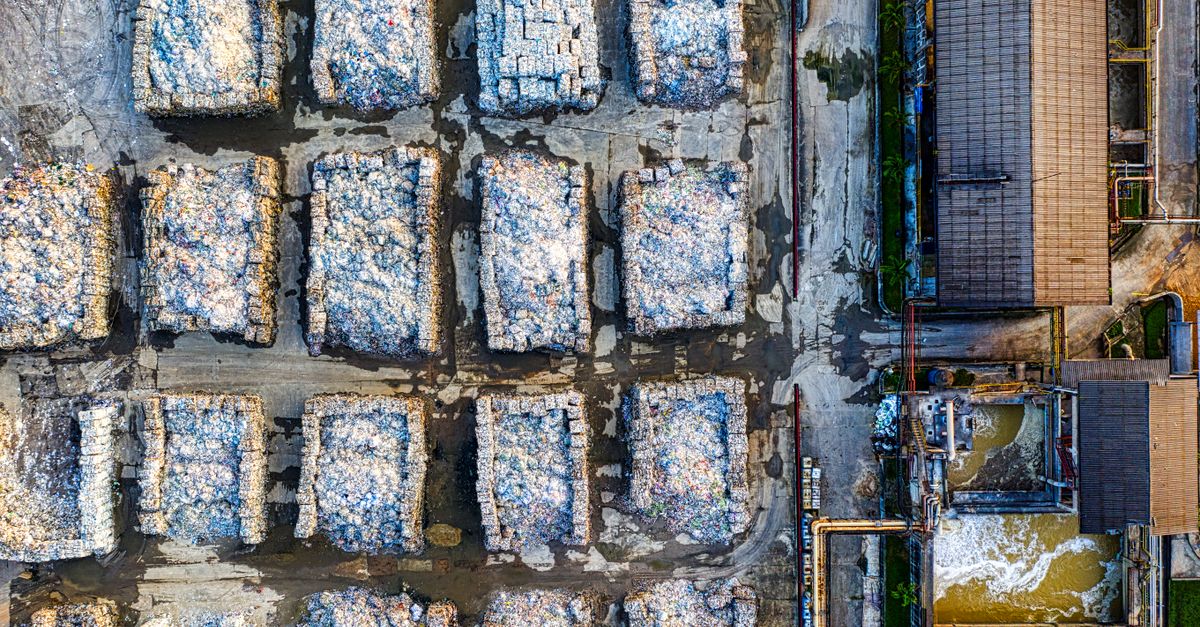
Here's what most people miss: the technology largely exists. The crisis is increasingly one of political will and investment, not invention. That's actually good news — it means the fix is a decision, not a miracle.
The Generational Bet Nobody Wants to Talk About
When I think about my grandmother's kitchen, I don't feel nostalgic. I feel impatient. Because the next generation won't be queuing at a borehole with jerrycans — they'll be navigating water markets, climate migration, and possibly a whole new class of conflict. The experts aren't sounding the alarm for attention. They're sounding it because the window for cheap, easy fixes is closing.
So what do you do with this? I'm not asking you to become a hydrologist. But follow the water in your own community. Ask where it comes from. Ask what your city's plan is. Vote like it matters, because it does. And the next time a public official shrugs off water infrastructure as a budget line to trim, ask them one simple question: what happens when the tap coughs?