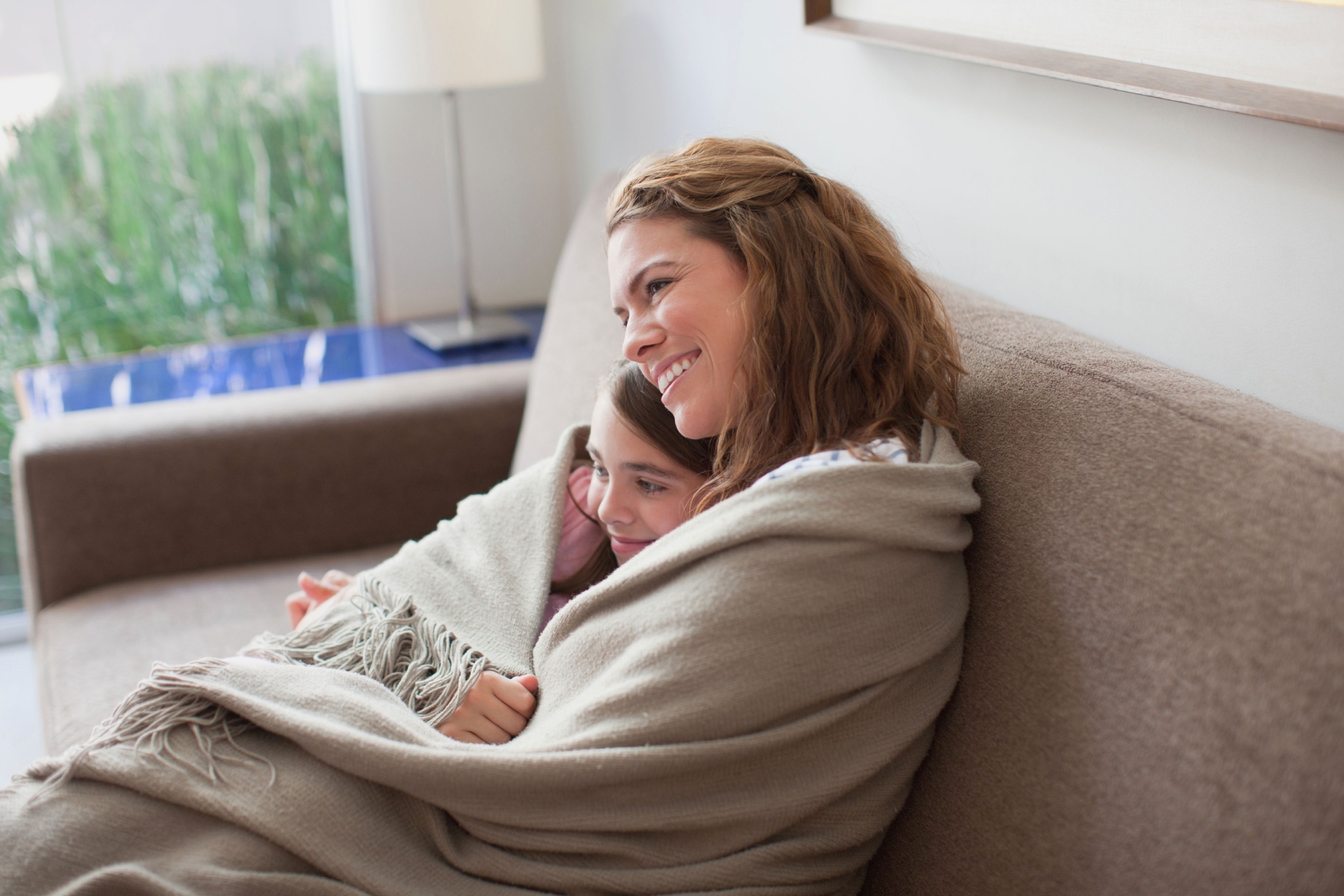
Western North Carolina is preparing for a sharp drop in temperatures later this week, with overnight lows in Asheville forecast near 27 degrees on Friday and 26 degrees on Saturday, according to 828 News Now. The National Weather Service says a strong cold front will arrive Thursday, ushering in some of the coldest air so far this fall, and snow is possible at higher elevations.
Although 828 News Now reports that outages are not necessarily expected, the incoming chill offers a useful moment for households to review what they would do if the electricity failed and heating systems stopped working. The outlet notes that effective preparation does not require a costly generator or a large stockpile of supplies, since many helpful items are likely already in the home.
Why it matters
A winter outage can turn a routine cold night into a serious safety situation, particularly for older adults, infants and anyone without a backup heat source. The stakes go beyond discomfort: the Centers for Disease Control and Prevention, cited by 828 News Now, warns that certain common heating methods can produce carbon monoxide, a colorless and odorless gas that can cause severe illness or death.
The guidance also matters because some of the most intuitive responses to a cold house — lighting a grill, running a gas oven or bringing an outdoor propane heater inside — are among the most dangerous. Understanding the difference between slowing heat loss and generating heat is central to staying safe.
Holding on to the warmth already inside
828 News Now advises starting by preventing the warmth already in the home from escaping. Closing the doors of rooms that are not in use and gathering everyone into one smaller space helps concentrate heat. Rolled towels placed along the bottoms of drafty doors can block incoming cold air, and closing curtains and blinds after dark limits heat loss through windows.
Daylight can be put to use as well. Opening curtains on windows that receive direct sun lets natural warmth in, and closing them again once the sun sets keeps that gain from slipping away. The CDC recommends sealing off unused rooms and stopping drafts as a way to conserve heat in winter weather, according to 828 News Now.
The outlet cautions that these measures only slow the rate at which a home cools. Without a functioning heating system, they cannot keep a house warm indefinitely.
Layering, blankets and body heat
Wearing several loose layers traps body heat more effectively than a single heavy garment, 828 News Now reports. A sweater or fleece, warm socks and a hat are simple additions, and staying dry matters because damp clothing makes it harder for the body to retain warmth.
Extra quilts, comforters and insulated sleeping bags are useful, especially overnight. Mylar emergency blankets, often called space blankets, reflect some of the body's radiant heat and are lightweight, but the outlet notes they offer little insulation by themselves and should be treated as an additional layer rather than a substitute for a regular blanket or sleeping bag.
For infants, 828 News Now recommends appropriate warm sleep clothing or a wearable blanket instead of loose blankets or sleeping bags, which carry a suffocation risk.
Small heat sources can add comfort without electricity. Disposable hand warmers provide temporary warmth, and rechargeable versions work if charged beforehand, but the outlet advises following instructions closely because hand warmers can burn skin, particularly when held against it for long periods or used during sleep. A traditional hot water bottle can help where water can be heated safely; it should be filled per the manufacturer's directions, kept below boiling and wrapped in a towel before use.
Food, drink and movement
828 News Now suggests keeping nonperishable food and drinking water available in case an outage runs longer than anticipated. Warm drinks can be comforting when they can be prepared safely, but the outlet advises against alcohol, which may create a brief sensation of warmth while actually accelerating heat loss from the body.
Gentle activity, such as walking through the house or light stretching, can make people feel warmer. The outlet warns against overexertion, since sweating can leave clothing damp and make a person colder afterward.
The heating methods to avoid
As indoor temperatures fall, 828 News Now reports, it can be tempting to start a grill, switch on a gas oven or carry an outdoor propane heater inside. The CDC warns against using gas ovens, charcoal grills, camp stoves or outdoor heating equipment to warm a home because they can generate carbon monoxide.
Some portable propane and kerosene heaters are marketed for indoor use, but the outlet notes that this does not guarantee safety in every residence. Before operating one, users should confirm it is approved for the specific residential setting, follow the manufacturer's ventilation and clearance instructions, and check with the local fire department about restrictions. Safety features such as automatic shutoffs and oxygen depletion sensors reduce risk but do not remove it.
Residents can watch for updated forecasts from the National Weather Service as the front approaches Thursday, and 828 News Now's full guidance remains available for those assembling a plan before the coldest nights arrive.




