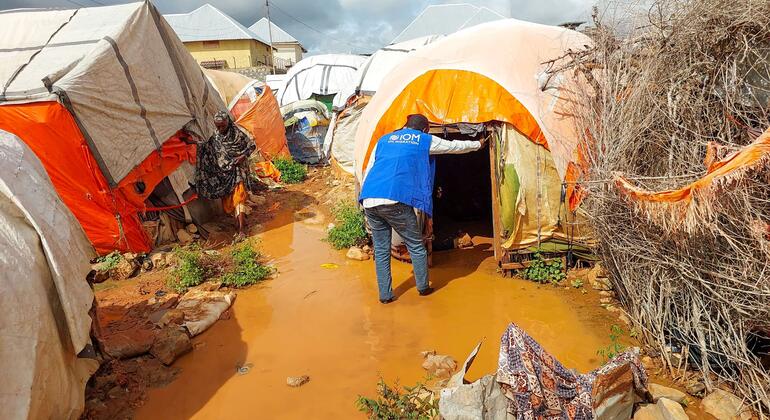
The UN refugee agency warned on Friday that most of the world's displaced people are living in places highly exposed to drought, flooding and extreme heat, and that the money meant to help them adapt is not reaching them. UNHCR published its findings in a report titled No Escape III, ahead of the COP31 climate conference, which opens next week in Antalya, Türkiye, according to UN News.
The agency estimates that three in four refugees — close to 90 million people — reside in countries with high to severe exposure to climate hazards.
Why it matters
The report argues that displacement and climate risk are now overlapping crises rather than separate ones. People who fled war are being hit hardest by weather extremes they had little part in creating, and the nations that take them in are among the least equipped to respond.
Antón Leis García, UNHCR's Assistant High Commissioner for Operations, described the situation as a double injustice: refugees were forced to leave conflicts they did not start and now find themselves exposed to a climate emergency they did little to cause. For many, he said, the changing climate is not a future concern but a present force that wrecks shelters, erodes incomes and jeopardises plans to rebuild.
Funding gap in fragile host countries
The report's central financial finding is that fragile and conflict-affected countries sheltering large refugee populations receive only about 10 per cent of worldwide climate finance. That leaves the communities facing the greatest exposure with the smallest share of the support.
UNHCR illustrated the problem through the accounts of eight people from displaced communities living on the frontlines of climate change. One is Monira Bahraldin, who left El Fasher in Sudan's Darfur region in June 2023 and now lives in a settlement in eastern Chad. She described dry-season heat in Chad as far more intense than in Darfur, with the walk to collect water growing longer even as her family needs more of it. Drought and conflict continue to shape daily life there.
The report projects that by 2050, one in three refugee settlements in sub-Saharan Africa could endure at least 100 days of hazardous heat every year.
Disasters, returns and statelessness
Weather-driven disasters have forced hundreds of millions of people to move within their own countries over the past ten years, according to the report. It also notes that severe flooding tied to El Niño is expected to push three million people from their homes across Somalia, Kenya, South Sudan and Uganda by the end of this year.
Climate shocks are complicating durable solutions for the displaced. More than two-thirds of refugees who went home in the first half of 2026 returned to countries highly vulnerable to climate hazards. In Syria, nearly four million people have recently come back, but falling groundwater levels and severe climate shocks are weighing on recovery after more than a decade of war. Flooding along the Euphrates River in May damaged housing and displaced thousands of people a second time.
Stateless people face a further layer of risk. Almost 90 per cent of them live in countries highly exposed to climate hazards, and when disasters strike, many cannot readily obtain relief because they lack legal recognition.
The report also documents responses led by displaced people and their host communities, including solar-powered water systems in the Sahel, farming methods built for climate stress in Uganda, and land and mangrove restoration in Colombia. Leis García said refugees are both on the frontlines of the crisis and part of the solution, and he called on COP31 to recognise their leadership and turn pledges into investments that reach the most exposed.
What to watch: whether the Antalya talks produce funding commitments directed at fragile host countries and at displaced communities themselves.




