
I still remember the first time I saw a "water refugee." It was 2023, and I was scrolling through footage of families in Arizona hauling 5-gallon jugs down a dirt road because their wells had run dry. Back then, I told myself it was an outlier. A drought story. A fluke.
Two years later, that "fluke" has become the defining crisis of 2025 — and the scariest part is how few people are connecting the dots.
We talk about water shortages like they're a distant, developing-world problem. They're not. The 2025 global water crisis is hitting suburbs in Spain, farm towns in California, and megacities in Mexico and India simultaneously — and the numbers behind it are genuinely terrifying.
Here's what most people miss: this isn't a story about drought. It's a story about systems failing at exactly the wrong moment. Let me walk you through five facts that stopped me cold when I started digging into the data.
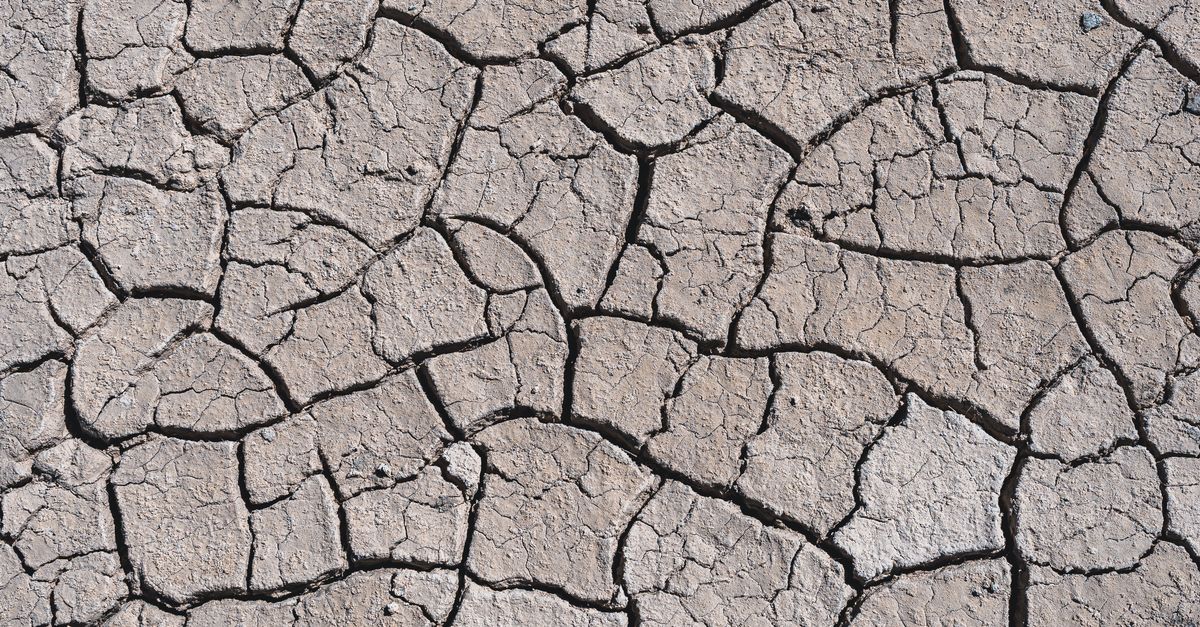
Fact #1: We're Draining Groundwater Faster Than Rain Can Refill It
Let's be honest — most of us don't think about groundwater. It's invisible. It's underground. Out of sight, out of mind.
But here's the thing: groundwater supplies drinking water to roughly 2 billion people and irrigates 40% of the world's food. And according to research published in Nature and reinforced by 2025 satellite data, we're pumping it out at rates that would make a Ponzi scheme blush.
In the U.S., the Ogallala Aquifer — which feeds America's breadbasket — is being depleted so fast that some Kansas farmers have already abandoned irrigation entirely. In India, the situation is even worse. Parts of Punjab have seen water tables drop by more than 300 feet in three decades.
I've found that people hear "aquifer depletion" and mentally file it under "future problem." But aquifers don't refill on human timescales. Some took thousands of years to fill. We're emptying them in a single generation.
Once they're gone, they're gone.
Fact #2: The Water Crisis Is Quietly Becoming a Food Crisis
You can't grow food without water. This isn't rocket science.
But what is surprising is how fast the food collapse is accelerating. In 2025, Spain's Catalonia region declared an agricultural emergency after reservoirs dropped below 16% capacity. Rice production in the Ebro Delta — a region that's been farming rice for centuries — has been slashed by 80%.
Meanwhile, in California's Central Valley, farmers are fallowing tens of thousands of acres because they simply can't get the water rights. That's not a bad harvest. That's a permanent shift in what we can grow and where.
Here's what nobody's saying out loud: when you lose water, you don't just lose drinking water. You lose the entire food supply chain that depends on it. And with global food prices already volatile, this is a tinderbox.
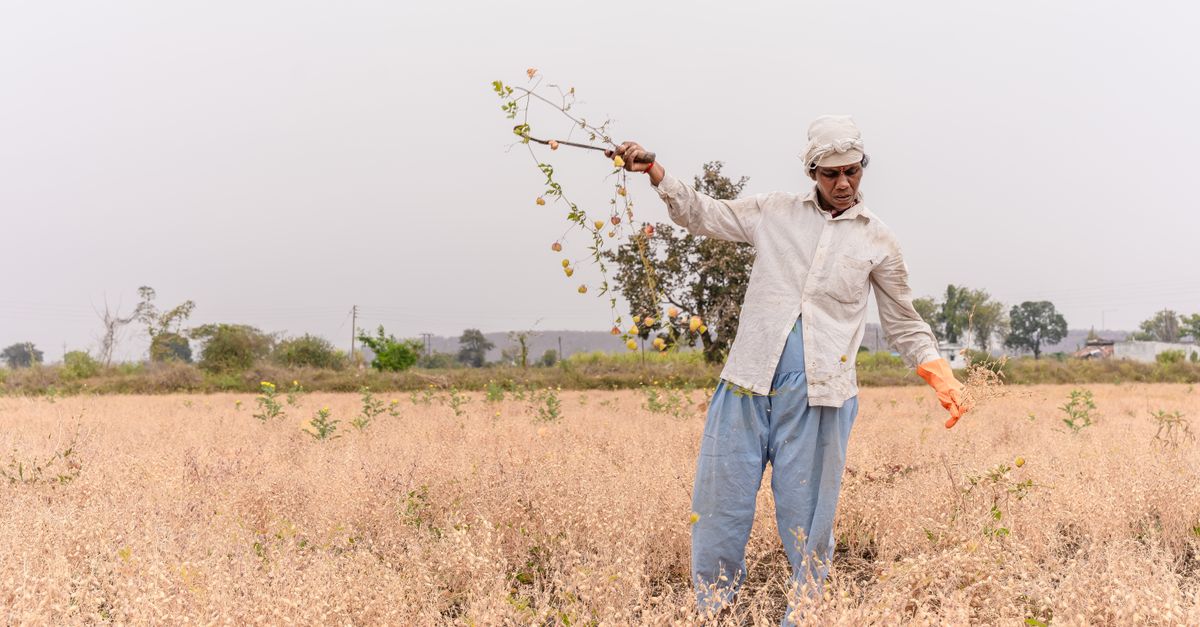
Fact #3: Cities Are Running Out — And Not the Ones You'd Expect
You'd assume the cities in trouble are the obvious ones. Arid. Poor. Far away.
Nope.
In 2025, Mexico City has been within days of running out of water — a metro area of 22 million people. Cape Town's "Day Zero" keeps getting pushed back, but only because of brutal rationing that's become a permanent way of life. And in the U.S., places like Phoenix and Las Vegas are quietly renegotiating their entire existence around a shrinking Colorado River.
The Colorado River, by the way? Its flows have dropped roughly 20% since 2000. The two biggest reservoirs it feeds — Lake Mead and Lake Powell — have hovered near historic lows for years.
What kills me is that we treat these as separate stories. They're not. They're the same story: we built massive cities in places that can no longer reliably supply them with water.
Fact #4: The Rich Are Already Buying Their Way Out
This is the fact that made me genuinely angry.
While regular families are told to take shorter showers and let their lawns die, billionaires and investment firms are quietly buying up water rights across the American West, Australia, and Latin America. In some cases, they're purchasing entire aquifer systems.
There's a reason Wall Street calls water "the new oil." It's not a metaphor. It's a business plan.
I get it — markets allocate scarce resources. But when the resource is survival itself, market logic starts to feel less like efficiency and more like extortion. And here's the uncomfortable truth: in a water-scarce world, the wealthy don't just have better access. They have a different reality.
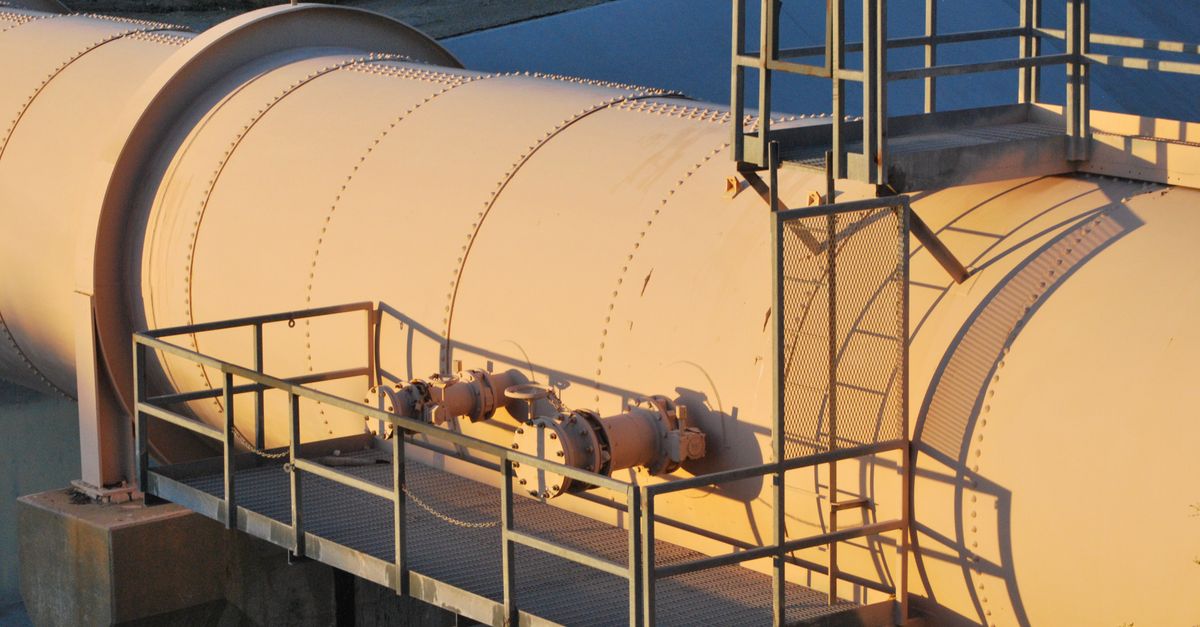
Fact #5: Fixing This Is Cheaper Than You Think — We Just Don't Want To
Okay, deep breath. Here's the hopeful part, and it's real.
The solutions exist. They're not sexy, but they work:
- Fixing leaky infrastructure. Some cities lose 30-40% of their water to leaks before it ever reaches a tap.
- Recycling wastewater. Singapore has been doing it for decades. It's safe. It's scalable. People just get weird about it.
- Desalination powered by renewables. Expensive upfront, but the tech is improving fast.
- Pricing water honestly for agriculture, which uses 70% of global freshwater.
- Protecting watersheds and aquifers instead of treating them like infinite ATMs.
So What Now?
I'm not writing this to scare you into doomscrolling. I'm writing it because the 2025 global water crisis is the kind of story that gets ignored until it's a headline every single day — and by then, the options are much worse.
Here's my ask, and it's small: pay attention to water. Where does yours come from? Who controls it? What's happening to your local watershed? Vote for people who treat this like infrastructure, not an afterthought. Support companies that actually invest in conservation instead of greenwashing.
Because the shortage no one is talking about? It's already here. The only question is whether we start talking about it in time.
