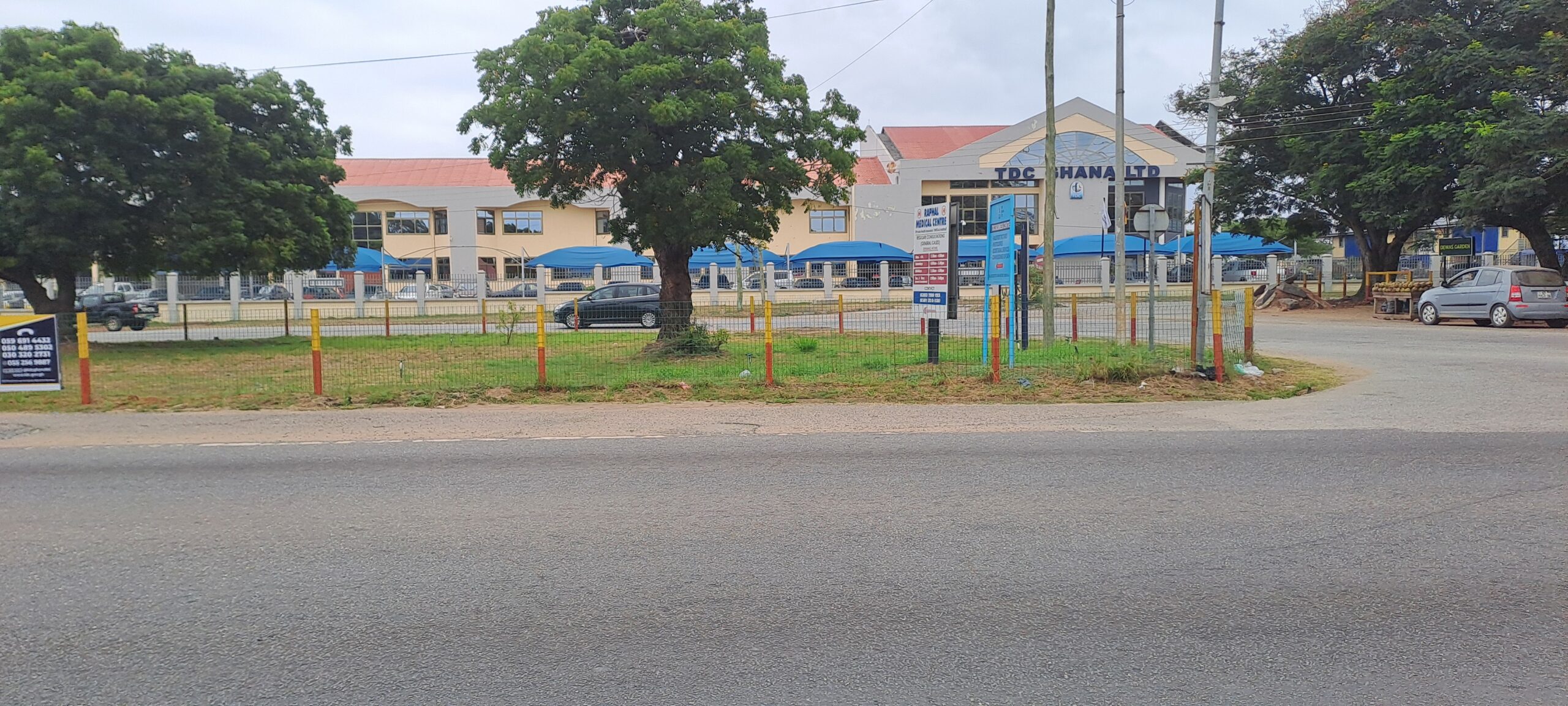
Tema began as a Ga settlement where residents fished and farmed, and grew into one of Ghana's largest planned industrial and maritime cities, the Ghana News Agency reported on 31 October 2026. The town's original name, Torman, is commonly read as "town of gourds," a reference to the calabash plant locals call "tor," and the name later shifted into its present form.
The change came through a deliberate state project: a deep-water harbour and an accompanying industrial township built to serve a growing national economy.
Why it matters
Tema is now a main entry and exit point for Ghana's imports and exports, and its surrounding zones host manufacturing, logistics and shipping activity that provides work and moves goods within Ghana and across West Africa, according to the Ghana News Agency. The city's story also carries a harder theme. Building the modern port required moving the original community, and that resettlement still shapes how the traditional town and the planned city relate to each other.
A harbour chosen to sit beside Takoradi
In the early 1950s, the Gold Coast administration picked Tema as the site of a new harbour that would work alongside the existing port at Takoradi and support expanding trade and industry, the Ghana News Agency reports.
Land for the project was assembled in 1952. According to TDC Ghana Limited, roughly 63 square miles were acquired from the traditional authorities of Tema, Nungua and Kpone to make room for the harbour and the township around it. TDC was set up to plan and build out that area, covering housing as well as industrial and commercial plots and the infrastructure to support them.
The Ghana News Agency places the work within the post-independence plans of Dr Kwame Nkrumah, the country's first President, who sought modern infrastructure as a foundation for industrialisation and economic growth.
Construction of Tema Harbour started in 1954. A cargo vessel was able to call at the port by 1958, and scheduled operations followed its commissioning in 1962. Roads, industrial plants and residential areas were built alongside the port to house the workers needed for harbour activity and the wider industrial sector.
Resettlement and the making of Community One
The project changed life for the people already living there. Residents of the original settlement in the Harbour-Meridian area were moved to Tema Manhean, also called Tema New Town, and the Ghana News Agency notes that this resettlement remains central to the town's history and to ties between the traditional community and the modern city.
The new township was laid out as planned residential communities meant to give workers and their families housing and basic services. Nii Amarh Somponu II, spokesperson for the Tema Traditional Council and Tema Shipi, told the Ghana News Agency that Community One held a significant place in the development of the planned town. He said it was divided into designated sites, with residential areas and facilities meeting different administrative, commercial and occupational needs.
The original layout included housing, markets, schools, recreation areas and community facilities for daily life, according to Nii Somponu. Some sections were linked to port workers, seafarers and government employees, he said, which shows how closely residential planning was tied to the harbour and the industries growing around it. Community One later became a commercial and transport centre, with markets, schools, public offices and other services drawing residents and visitors from nearby communities. Further communities were built for workers at industrial firms and in the expanding port economy.
Records from the Ghana Ports and Harbours Authority cited by the Ghana News Agency show regular port operations from 1962 and the arrival of the first tanker in June 1963, which carried crude oil through pipelines to the Tema Oil Refinery. Work on the Tema Shipyard and Dry-dock began in 1964 to support the country's maritime industry.
Together, the port, refinery, shipyard and other plants helped make Tema a centre for manufacturing, logistics, shipping and commerce. Its industrial base widened to take in aluminium production, cement manufacturing, food processing and other fields. The Tema Motorway also improved links between the city and Accra, easing the movement of workers, goods and services between the industrial hub and the capital.
Growth brings pressure on infrastructure and heritage
Tema still plays a large part in Ghana's maritime trade and industrial output, the Ghana News Agency reports. Its port handles a substantial share of imports and exports, and the industrial and logistics areas around it support jobs, manufacturing and the distribution of goods nationally and regionally. The city continues to grow in population, commerce and infrastructure.
That growth has brought difficulties too. The Ghana News Agency points to strain on infrastructure from a rising population and to shifts in the character of the communities laid out under the original plan. The paper frames Tema's history as more than the story of a harbour: it is the remaking of a traditional Ga settlement into a major urban and industrial centre, and it leaves open questions about heritage, resettlement, urban planning and how community identity is kept.
Watch for how TDC Ghana Limited, the Tema Traditional Council and port authorities handle infrastructure pressure and the preservation of Tema Manhean's heritage as the city keeps expanding.