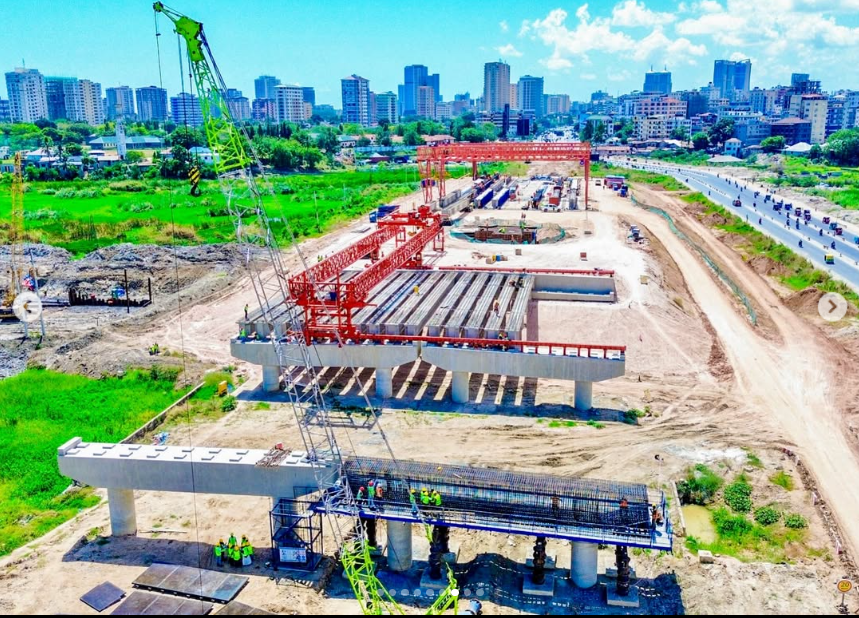
Tanzania is increasing investment in climate-resilient urban development as fast-growing cities struggle to keep roads, drainage, water supplies and public services in step with population growth and shifting weather patterns, Daily News reports.
Dar es Salaam, the country's commercial hub, shows the scale of the problem. Repeated flooding, insufficient stormwater drainage, unplanned settlements and strained water and sanitation systems have revealed gaps in how the city manages rapid expansion, according to the outlet.
The pressure is not confined to the commercial capital. Daily News reports that Dodoma, Mwanza, Arusha, Mbeya and Morogoro are also seeing rising populations drive demand for infrastructure that can hold up under climate stress and for dependable public services.
Why it matters
How Tanzania builds and maintains its cities carries consequences for economic competitiveness, public health, investment and the daily quality of life of millions of residents, the outlet reports.
The country's long-term development blueprint, Dira 2050, sets out an ambition for sustainable, smart, green and liveable cities backed by dependable water, sanitation, energy and transport systems. It also calls for urban growth to be managed in ways that safeguard environmental resources, widen access to decent housing and improve cities' capacity to absorb climate-related shocks.
According to Daily News, this marks a meaningful change in how infrastructure is planned. Urban systems are now expected not only to serve growing populations and economic activity but also to withstand floods and extreme weather while keeping essential services running.
Three drivers of urban vulnerability
The World Bank's Tanzania Urban Resilience Programme points to three main sources of urban vulnerability, as reported by Daily News: insufficient information on climate risk, weak land-use planning and enforcement, and shortfalls in infrastructure.
The programme's assessment identifies gaps in stormwater drainage, wastewater treatment and flood-management facilities, as well as ineffective solid-waste management.
Daily News reports that meeting these challenges will take more than standalone construction projects. It requires coordinated investment across urban planning, environmental management, infrastructure and disaster preparedness.
Flooding is among the most visible climate threats in Dar es Salaam. The city's low-lying ground, its river systems, its position next to the Indian Ocean and its spread into exposed areas have all raised its flood risk, according to the outlet.
Heavy rain regularly overwhelms drainage channels, disrupting transport, damaging property and putting residents at risk of waterborne disease. The lower Msimbazi River basin has drawn particular attention because of repeated flooding and the dense concentration of people and economic activity in nearby neighbourhoods.
The World Bank has previously observed that Dar es Salaam's population growth has run ahead of formal planning and infrastructure delivery. Its 2022 assessment estimated that roughly 70 per cent of development in the city was informal, often without matching extensions of basic services, Daily News reports.
What has been built so far
Working with development partners, the Government has put money into urban roads, drainage and flood-management infrastructure.
The first phase of the Dar es Salaam Metropolitan Development Project, carried out between 2015 and 2023, reached more than four million people through improved urban infrastructure and services, according to the outlet.
Citing the World Bank, Daily News reports that the phase delivered 207 kilometres of roads with street lighting, sidewalks and roadside drainage. It also built 75 kilometres of trunk and secondary drains across five river basins, along with the city's first stormwater detention basins.
The drainage work protected 406 hectares of land, including low-income neighbourhoods, against one-in-10-year flood events, the outlet reports. Community facilities in 14 low-income areas were also upgraded, covering health facilities, markets, water kiosks and recreational spaces.
In December 2023 the World Bank approved 385 million US dollars for a second phase of the project, focused on climate-smart infrastructure, integrated solid-waste management and stronger urban institutions. Daily News reports that the programme covers resilient transport infrastructure, green drainage systems, public spaces, riparian and coastal landscapes and area-based urban development.
A separate intervention, the Msimbazi Basin Development Project, aims to tackle chronic flooding through infrastructure investment and better management of the river basin.
According to the outlet, these efforts illustrate the value of preventive spending that cuts flood exposure, protects natural drainage systems and keeps urban growth from creating new risks.
Natural systems under strain
Daily News reports that drainage infrastructure alone cannot deliver lasting results if rivers, wetlands and natural water channels continue to be blocked or degraded. Urban development frequently pressures these systems through construction, waste disposal, land reclamation and settlement spreading into floodplains.
The Tanzania Urban Resilience Programme has therefore backed river-basin protection, land-use planning, community mapping and flood-risk assessment.
One of its initiatives, Ramani Huria, relies on community-based mapping to pinpoint flood-prone areas and produce information used in urban planning and disaster management. The programme has also supported hydrological data collection and flood modelling to deepen understanding of the risks facing urban settlements.
The coming period will show whether the second phase of the Dar es Salaam project and the Msimbazi basin work translate into measurable reductions in flood damage as the city continues to expand.