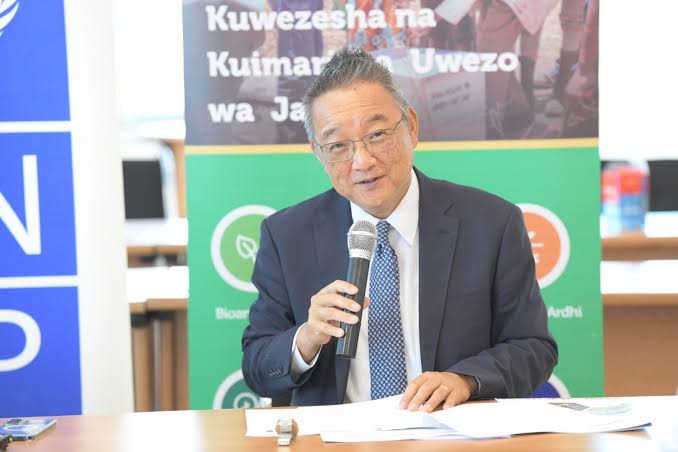
The United Nations Development Programme and the Government of Tanzania have awarded $2 million in grants to 49 civil society organisations working on community-led conservation and sustainable development, Africa Sustainability Matters reports. The funding, worth roughly 5.2 billion Tanzanian shillings, was announced on November 6, 2026, and comes under the eighth operational phase of the Global Environment Facility's Small Grants Programme.
The selected organisations will run projects over 20 months. Their work covers environmental restoration, climate-smart agriculture, coastal management, clean energy and waste management, according to the programme announcement.
Why it matters
Tanzania is contending with land degradation, biodiversity loss and variable climate conditions, all of which bear on farm output, water access and incomes in rural areas. The grants are structured to link environmental protection with earning opportunities — sustainable livestock management, beekeeping, value chain development and ecotourism among them — rather than treating conservation as separate from local livelihoods.
The programme also addresses a persistent gap in environmental finance: money often does not reach the local groups that actually manage ecosystems. Small grants are one route to closing that distance, though their effect on national environmental goals depends on coordination with public institutions and on longer-term funding.
Where the money will go
Around 6,000 people in rural communities are expected to benefit. Activities are concentrated in three areas: the Serengeti ecosystem, the Dodoma region of central Tanzania, and the Unguja and Pemba islands of Zanzibar.
UNDP said 30% of programme resources will go to projects outside those priority landscapes, extending support to communities elsewhere. The announcement did not give a regional or organisation-by-organisation breakdown of the grants.
Beyond income-linked activities, the projects will cover tree planting, forest restoration and protection of water sources, as well as restoration of beaches and wetlands. Others will tackle waste management and widen access to clean energy.
Local ownership at the centre
At the signing ceremony in Dar es Salaam, UNDP Resident Representative Shigeki Komatsubara said community participation and ownership sit at the heart of conservation work. He said the grants could help recipient organisations mobilise their communities and draw in additional partners, potentially letting projects continue past the initial funding.
Richard Muyungi, Permanent Secretary in the Vice President's Office, asked the selected organisations to work closely with communities and to use the resources effectively. The government said the programme is meant to align environmental protection with national development priorities, including Tanzania's Development Vision 2050.
The sums involved are small next to the scale of the challenges. UNDP said it expects the grants to open opportunities for co-financing from development partners, but did not say how much extra money the projects would aim to raise.
The current round rests on a long record in the country. Since the Small Grants Programme began operating in Tanzania in 1997, it has committed more than $13 million from the Global Environment Facility and other partners and backed over 440 projects.
How much the new grants achieve will hinge on whether the participating organisations can manage the projects well, keep activities going after the money runs out, and show measurable gains for both the environment and local livelihoods.
What to watch: the 49 organisations are now beginning implementation, and the programme's results will be judged on outcomes rather than project counts.




