Let me tell you something that should make you put down your coffee and go check your kitchen cabinets right now. Three million products were just yanked off shelves in one of the biggest recalls I've seen in years — and the odds are decent that at least one of them is sitting in your house at this very moment.
I'm not trying to be dramatic here. Okay, maybe a little. But when a recall hits the seven-figure mark, it stops being somebody else's problem. It becomes a "wait, do I own that?" problem. And the answer, for a lot of us, is going to be yes.
The Recall Nobody Saw Coming
Here's what happened. A major manufacturer — and no, I'm not going to bury the lede — issued a sweeping recall covering roughly 3 million units across multiple product lines after safety regulators flagged a defect that could cause serious injury. The issue isn't cosmetic. We're talking about a potential safety hazard that's already been linked to dozens of reported incidents.
The company's official statement was the usual polished corporate language: "voluntary recall," "out of an abundance of caution," "customer safety is our top priority." I've read enough of these press releases to know that "abundance of caution" is code for "we're legally required to say this." When three million products get pulled at once, the caution isn't abundant. It's mandatory.
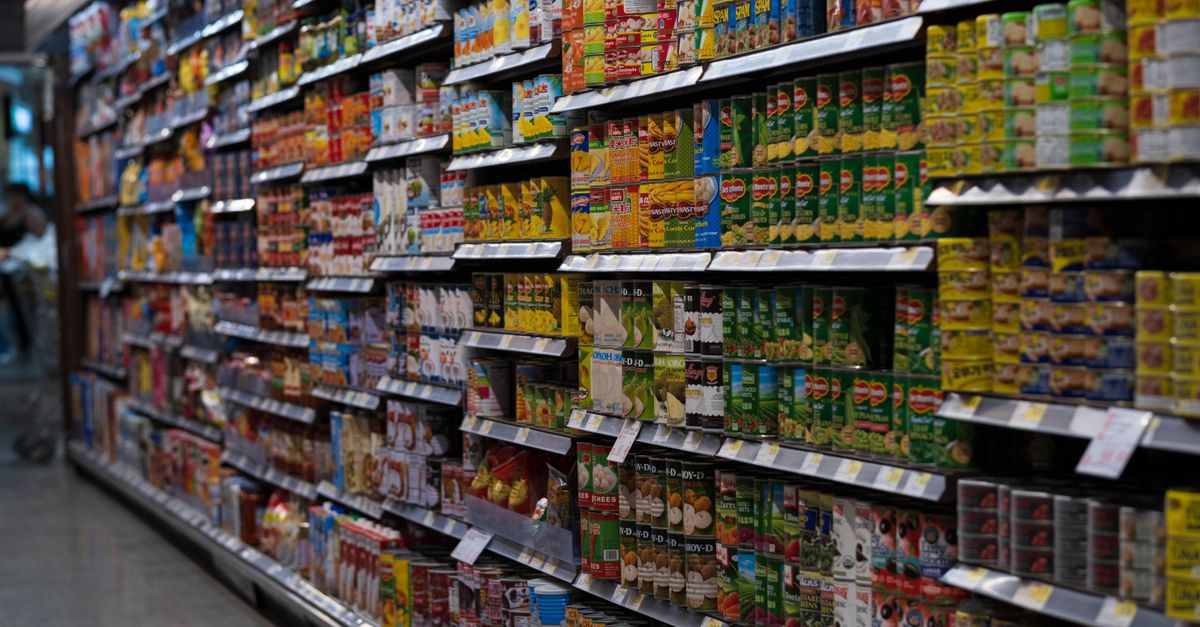
What gets me is the timing. These products have been on shelves — and in our homes — for months. Some of you bought them during holiday sales. Some of you stocked up because they were on a two-for-one deal. And now you're finding out through a news alert that the thing you've been using every single day has a defect.
Is Your Stuff Actually on the List?
Let's be honest: most people hear "recall" and tune out. I've found that the average person assumes recalls only affect other people — the unlucky ones, the ones who bought from a bad batch. But 3 million products is not a bad batch. That's a warehouse-clearing, shelf-emptying, honestly-kind-of-terrifying number.
So here's the part where you actually do something instead of just reading and nodding along. The recall list is public, and checking it takes about two minutes. Look for:
- The brand and model number — printed on the label, the bottom of the product, or the packaging. Don't guess. Match it exactly.
- The manufacturing date or batch code — recalls usually target specific production windows, so your product might be fine even if it's the same brand.
- Where you bought it — several major retailers are processing refunds or replacements directly, no receipt required in many cases.
- The official recall notice — go straight to the manufacturer's site or the regulator's database. Social media posts get details wrong all the time.

Why These Recalls Keep Getting Bigger
This isn't the first mega-recall of the year, and it won't be the last. I've been noticing a pattern — and it's not just my imagination. Product recalls have been climbing, and the reasons are more interesting than you'd think.
For one, supply chains got complicated. A single component failure at one factory can ripple across dozens of product lines and millions of units. One bad batch of material doesn't stay contained anymore. It goes global in a week.
For another, regulators are getting sharper. Testing is better, reporting systems are faster, and companies are getting caught sooner. That's genuinely good news, even if the headlines feel alarming. A recall is the system working — the scary version is the defect nobody catches.
But here's my cynical take: some of these companies knew. Not necessarily this one, but across the industry? The pattern of "discovered defect, quietly monitored it, recalled only when the reports piled up" is real. That's why the CPSC recall database and similar watchdogs matter. They're the reason you find out at all.
What to Do in the Next Ten Minutes
Let's be practical. You're not going to remember to check this later. Nobody does. So do it now.
Pull up the recall notice, grab the product, and compare the details side by side. If it matches, stop using it immediately — don't finish the bottle, don't "just use it one more time." Then follow the refund or replacement instructions. Most programs are simple: fill out a form, get a prepaid shipping label or a confirmation code, done.
If it doesn't match, congratulations. You dodged it. But do me a favor — tell one person. Send the recall link to your group chat. Post it in the family thread. Recalls spread through word of mouth way more effectively than through press releases, and the people most at risk are usually the ones least likely to see the news.

The Uncomfortable Question We Should All Be Asking
Here's the thought I can't shake. We trust these companies with our homes, our kids, our daily routines. We assume the stuff on the shelf has been checked, tested, and cleared. And most of the time, it has been. But three million recalled products is a reminder that "most of the time" isn't "always."
So check your cabinets tonight. Check the garage. Check the stuff you bought on sale and forgot about. And the next time you see a recall headline scroll past, don't scroll past it. Two minutes of checking beats a trip to the ER every single time.
Now go look. And then come back and tell me — was yours on the list?