
A shooting in Krakow has put security back at the top of Europe's agenda, prompting authorities to reassess risk levels and tighten visible policing in a city long regarded as one of the continent's safest destinations for tourists. The incident has reverberated well beyond Poland, feeding into a broader European conversation about public safety, open-border travel and how quickly a local emergency can become a continental security story.
This article breaks down what happened, what authorities say, and what it means for public safety and travel. We separate confirmed facts from speculation, examine the wider European security picture, and offer practical guidance for residents, visitors and businesses navigating a period of heightened alertness.
- A shooting in Krakow has prompted Polish authorities to raise vigilance and increase patrols in busy public areas.
- Investigators are working to establish motive, the number of those involved, and whether any wider network is connected.
- European capitals have historically tightened security after high-profile incidents, especially around transport hubs and tourist sites.
- Travellers should follow official advisories, stay aware of surroundings and keep emergency contacts handy.
- The fallout is as much about perception and preparedness as about the incident itself.
What Happened in the Krakow Shooting?
The shooting in Krakow unfolded in a public area of the city, drawing an immediate emergency response from local police and medical services. As is standard in incidents of this kind, the first hours produced a flood of conflicting reports on social media, which authorities moved quickly to address with official statements. Police secured the scene, launched a forensic investigation and appealed to the public for footage and witness accounts.
Poland's interior ministry and local police have stressed that the investigation is at an early stage. Officials have generally confirmed the core facts — that a shooting occurred, that emergency services responded, and that a criminal investigation is underway — while declining to speculate publicly about motive or affiliations until evidence is verified. This cautious approach reflects lessons learned across Europe, where premature conclusions after major incidents have repeatedly had to be corrected.
Why Early Reports Need Caution
In the immediate aftermath of any shooting, casualty figures, suspect numbers and motives often change. Authorities urge the public to rely on official channels rather than unverified clips circulating online. The Krakow case follows this familiar pattern, with officials emphasising that confirmed information will be released as the investigation progresses.
- Verified facts come from police and interior ministry statements.
- Casualty figures may be revised as hospitals and services update.
- Motive is typically the last element confirmed, not the first.
What Authorities Say About Security and Motive
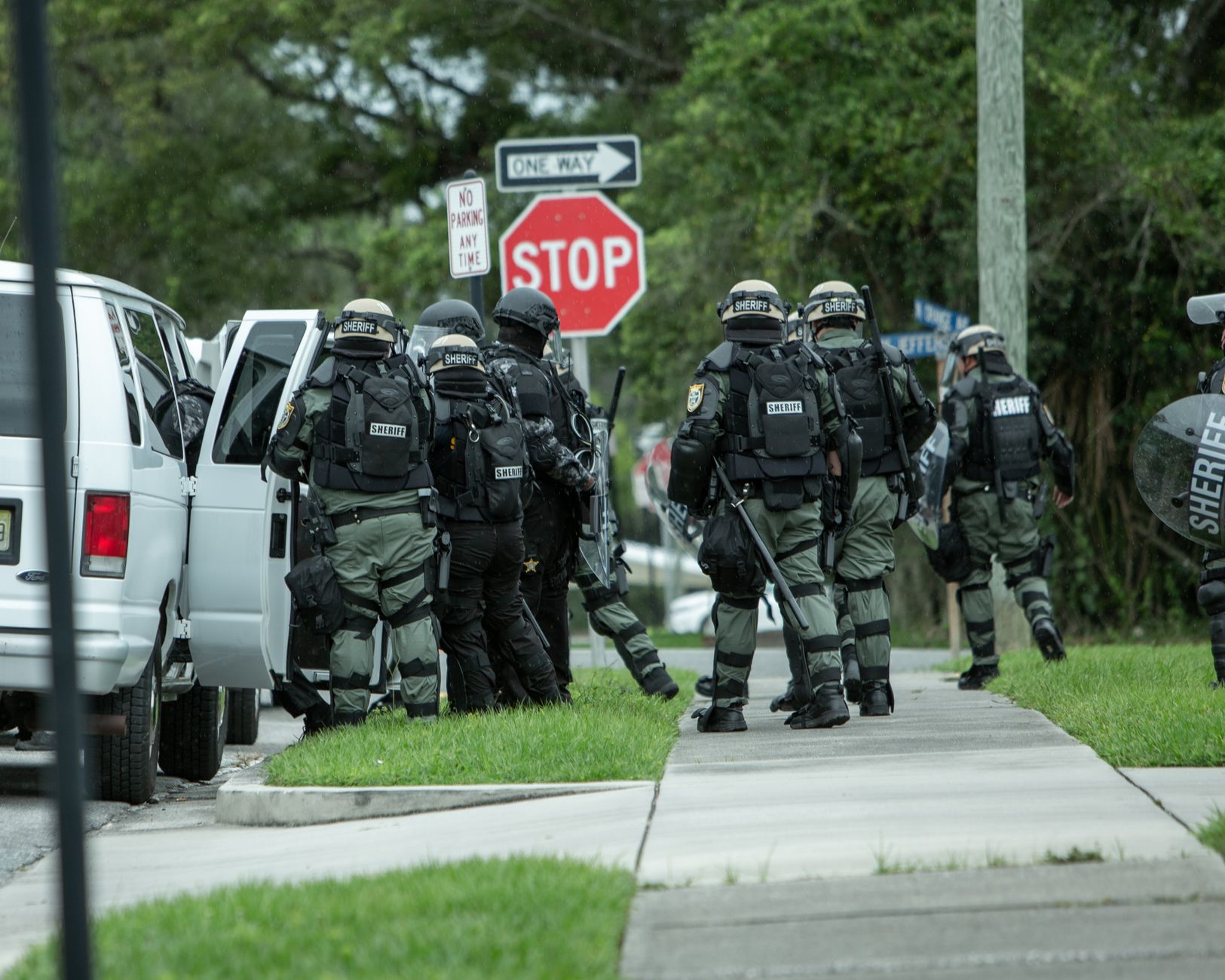
Polish authorities have framed their response around public reassurance and operational transparency. Police have increased patrols in Krakow's busiest districts, including the historic Old Town and key transport links, and have coordinated with national counterterrorism services as a precaution. Officials have said there is no indication at this stage of a broader, coordinated threat, while making clear that all lines of inquiry remain open.
This dual message — reassure but stay alert — is a deliberate communications strategy used by European governments after high-profile violence. It aims to prevent panic and the economic damage that follows a collapse in visitor confidence, while preserving the public's cooperation with security measures. Authorities have also appealed for witnesses and urged residents to report suspicious activity through official hotlines.
How European Capitals Typically Respond
Across Europe, the standard playbook after a shooting includes visible policing, temporary checks at transport hubs, and coordination through Europol and intelligence-sharing networks. Krakow's response fits this template. Officials have emphasised that security measures will be proportionate and reviewed continuously as the investigation develops.
What It Means for Public Safety Across Europe
The Krakow shooting lands in a European security environment already shaped by years of elevated threat assessments, lone-actor attacks and the challenge of protecting crowded public spaces. While individual incidents vary enormously in cause, each one reinforces a shared lesson: open, accessible cities require layered security — from intelligence and policing to venue design and public awareness.
For public safety, the practical fallout is likely to include more visible patrols at major events, tighter bag checks at venues, and continued investment in camera networks and rapid-response units. Cities that depend heavily on tourism, such as Krakow, Prague, Vienna and Budapest, have strong incentives to demonstrate that they remain safe and well-prepared.
Perception Versus Probability
Statistically, violent incidents remain rare relative to the millions of people who travel across Europe each year. But perception matters: a single high-profile shooting can shift bookings and consumer confidence. Authorities therefore treat communication and visible preparedness as core security tools, not afterthoughts.
- Increased patrols in tourist districts and at transport hubs.
- Enhanced intelligence-sharing between national agencies and Europol.
- Review of security at major events and public gatherings.
Travel Advice: Staying Safe and Informed
For travellers, the most useful response to any security incident is calm preparation rather than alarm. Check your government's travel advisory for Poland and monitor official local channels for updates. Register for alerts where available, keep digital and paper copies of key documents, and know the local emergency number — 112 works across the European Union.
Practical habits matter more than headlines. Stay aware of your surroundings in crowded areas, avoid large unsecured gatherings if tensions are high, and follow instructions from police and venue staff without hesitation. If you witness something concerning, report it to authorities rather than posting unverified material online.
A Simple Pre-Trip Checklist
- Review your foreign ministry's latest advisory before departure.
- Save local emergency numbers and your embassy's contact details.
- Share your itinerary with someone you trust.
- Keep travel insurance details accessible.
- Follow official accounts for real-time updates during your stay.
Travellers should also remember that heightened security can mean longer queues at airports and stations. Build extra time into plans and stay patient with additional checks, which are there for everyone's protection.
Frequently Asked Questions
What happened in the Krakow shooting?
A shooting occurred in a public area of Krakow, prompting an immediate police and emergency services response. Authorities have confirmed a criminal investigation is underway and have urged the public to rely on official statements rather than unverified social media reports while facts are established.
What do authorities say about the motive?
Polish officials have said the investigation is at an early stage and have declined to speculate publicly about motive or affiliations. Police have increased patrols as a precaution and stated there is no indication at this stage of a broader coordinated threat, while keeping all lines of inquiry open.
Is it safe to travel to Krakow now?
Krakow remains a major tourist destination, and authorities have emphasised public reassurance alongside heightened vigilance. Travellers should check their government's latest travel advisory, follow official local updates, stay aware in crowded areas and keep emergency contacts handy before and during their visit.
How has Europe responded to the security fallout?
European capitals typically respond to such incidents with visible policing, temporary transport checks and intelligence-sharing through Europol. The Krakow case has reinforced existing debates about protecting crowded public spaces, event security and the balance between open cities and layered protective measures.
What should I do if I am in the area during a security incident?
Follow instructions from police and emergency services immediately, move away from the immediate vicinity if it is safe to do so, and avoid sharing unverified information online. The EU-wide emergency number is 112, and you should contact your embassy if you need consular assistance.
Will the shooting affect travel bookings to Poland?
High-profile incidents can temporarily affect visitor confidence, but European tourism has historically proven resilient. Authorities treat clear communication and visible preparedness as key to maintaining trust, and travellers are advised to base decisions on official advisories rather than isolated reports.
Conclusion
The Krakow shooting is a reminder that security in Europe is a shared, continuous effort rather than a fixed state. What happened is serious; what authorities say so far counsels caution over speculation; and what it means for public safety and travel is a familiar combination of heightened vigilance, visible policing and better-informed travellers.
For residents and visitors alike, the right response is neither panic nor complacency. Follow official guidance, stay aware of your surroundings, and treat verified information as the foundation for every decision. Europe's cities remain among the most visited and closely monitored in the world — and that preparedness is precisely what allows daily life, and travel, to continue.




