Picture this: it's 2032, and you're scrolling through your feed when a headline stops your thumb cold — "This City Produces More Energy Than It Uses. Here's How They Pulled It Off." You click. You read. And somewhere between the solar-paneled skyscrapers and the algae-powered buses, you realize the future isn't a concept anymore. It's a construction site in Denmark. Or maybe Japan. Or, depending on who you ask, a patch of reclaimed industrial land outside Abu Dhabi.
I've been tracking this race for a while now, and let me tell you — the sprint to build the world's first truly carbon-negative city is the most fascinating, messy, and quietly cutthroat competition you've probably never heard of. Forget space tourism. Forget the metaverse. The real moonshot is happening at ground level, and the prize is nothing less than the blueprint for how eight billion of us might keep living on this planet.
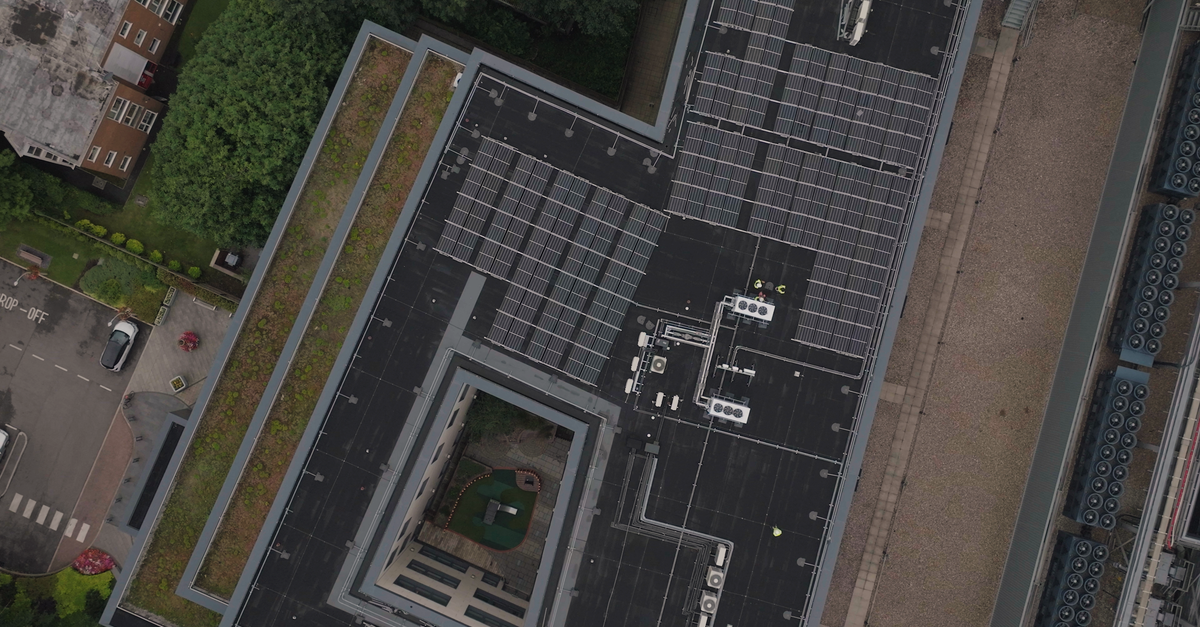
The Difference Between "Green" and "Actually Negative" (It's Bigger Than You Think)
Let's get one thing straight, because I've found that most people — and honestly, most marketing departments — blur these lines on purpose.
Carbon-neutral means you're not adding to the problem. Carbon-negative means you're actively subtracting from it. You're a net remover of CO2 from the atmosphere. And here's the kicker: a city that genuinely pulls more carbon out of the air than it emits has to do this across every single system — energy, transport, construction, food, waste, even the concrete in its buildings.
Sounds impossible? A few places are betting it isn't.
The frontrunners in what insiders quietly call the carbon-negative city race are an eclectic bunch:
- Copenhagen's Nordhavn district, which is pushing hard on energy-positive buildings that actually feed power back to the grid
- Masdar City in the UAE, the granddaddy of the movement, which has pivoted from its original carbon-neutral dream to something more ambitious — and more honest
- Toyota's Woven City at the base of Mount Fuji, which treats the whole thing as a living laboratory
- And a handful of smaller, scrappier projects in Sweden, Germany, and the Netherlands that don't get the headlines but might actually cross the finish line first
Concrete Is the Villain Nobody Wants to Talk About
I want to spend a minute here, because this is the part that genuinely shocked me.
You know what's responsible for roughly 8 percent of global CO2 emissions? Concrete. Just... cement and the stuff we build with. If the cement industry were a country, it'd be the third-largest emitter on Earth, behind only China and the US.
So when a city promises to go carbon-negative, it can't just slap solar panels on roofs and call it a day. It has to rethink the literal bones of its buildings.
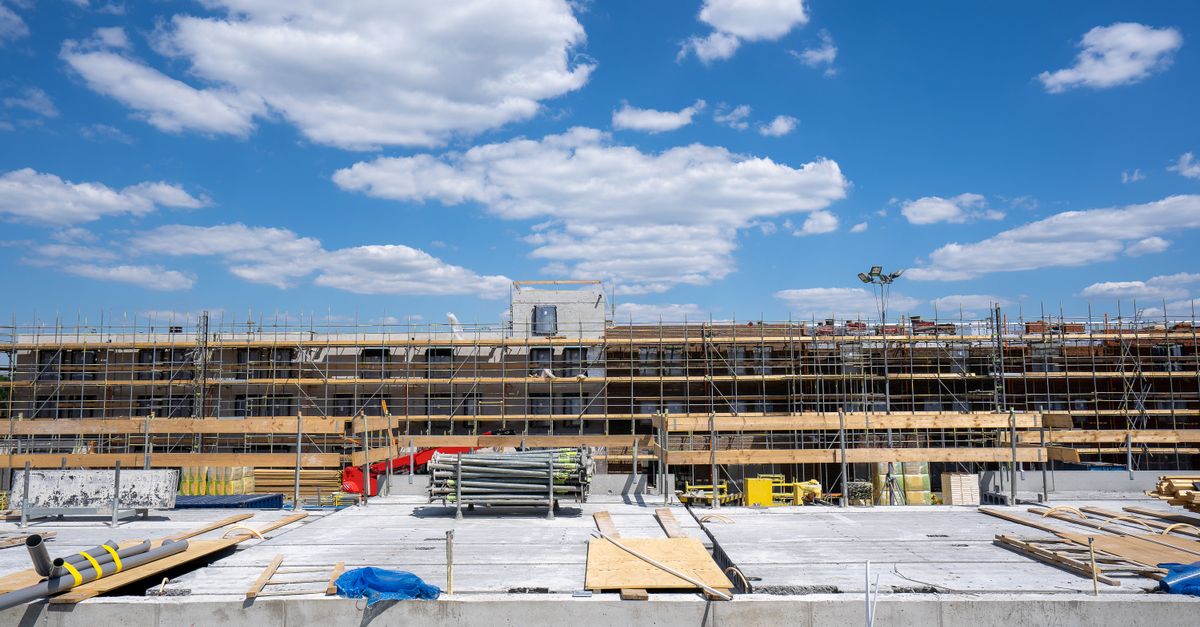
Some of the solutions being tested right now are wild:
- Carbon-cured concrete that permanently locks CO2 into its structure during the mixing process — a few startups are scaling this fast
- Mass timber towers that store carbon instead of emitting it, like the Mjøstårnet in Norway
- Bio-cement grown using bacteria, which sounds like science fiction but is already in pilot builds
- Recycled demolition waste used as aggregate, cutting both emissions and landfill
The Unsexy Secret Weapon: Algae, Wastewater, and Human Ingenuity
Okay, here's my favorite part. When I first started reading about these projects, I expected the breakthroughs to be all lasers and fusion reactors. Instead, the most promising tech is... pond scum.
Algae bioreactors are quietly becoming the backbone of several carbon-negative urban designs. The idea is elegantly simple: pump the city's waste CO2 into algae tanks, let the algae eat it, harvest the biomass, and turn it into biofuel, fertilizer, or even animal feed. Some designs integrate these bioreactors right into building facades, so your apartment block is literally breathing.
Combine that with wastewater heat recovery (Scandinavians are obsessed with this, and rightly so), and suddenly a city can turn its own sewage into a power source.
I've found that the projects making real progress all share one trait: they treat waste as a resource, not a problem. That mental shift — from "how do we get rid of this?" to "how do we use this?" — is the actual innovation. The tech just follows.
The Trillion-Dollar Question: Who Pays, and Who Wins?
Now for the sobering bit.
Building a carbon-negative city from scratch is a multi-billion-dollar gamble with a payoff timeline that outlasts most political careers. Masdar's original $22 billion vision got scaled back dramatically after the 2008 crash. That's the cautionary tale nobody in the industry likes to bring up.
But here's the counterargument I keep coming back to: the race isn't really about building one perfect city. It's about proving the model works so it can be copied, adapted, and mass-produced. The first mover gets the patents, the expertise, and the bragging rights. The rest of us get a template.
And honestly? Cities are where the fight against climate change gets won or lost. Urban areas produce around 70 percent of global CO2 emissions. If even a dozen cities crack the carbon-negative code, the math changes dramatically.

So... Are We Actually Going to Pull This Off?
Here's my honest take, and I'll probably get some flak for it.
I don't think we'll see a fully certified carbon-negative city — every system, every building, every metric — before 2035. The accounting alone is a nightmare, and "negative" requires such aggressive carbon removal that it's almost a philosophical question as much as an engineering one.
But I do think we'll see a city that comes so close it forces the rest of the world to stop pretending. And when that happens — when the first mayor stands on a stage and shows the data — the race will turn into a stampede.
Because once it's been done, "we can't afford it" becomes "we can't afford not to."
So here's my challenge to you: next time you hear a city announce a "green district," don't just nod along. Ask the hard question. Is it carbon-neutral, or is it carbon-negative? The gap between those two words is where the entire future of urban life is being decided.
And if you're feeling ambitious — write to your local council. Ask them what their embodied-carbon plan is. Watch how fast they change the subject.
That silence? That's the sound of a race that's only just getting started.