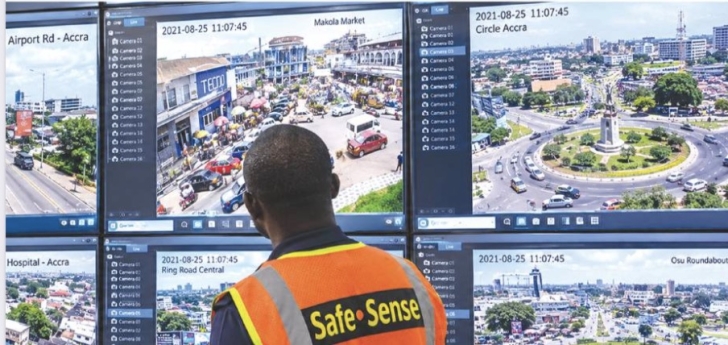
The Ghana Police Service has told motorists not to settle fines issued under the TraffiTech-GH automated traffic enforcement system until they have confirmed that the ticket in front of them is real and its details are correct, Graphic Online reports.
In a press release dated November 4, 2026, the Service said drivers should examine their Electronic Notices of Violation (ENV) and satisfy themselves that the alleged offence actually took place before any money changes hands. The warning comes three days after the camera-based scheme, run by the Motor Traffic and Transport Department (MTTD), began operating on November 1, 2026.
Why it matters
TraffiTech-GH shifts traffic policing away from officers flagging down vehicles and towards cameras that record alleged offences and generate notices electronically. That model depends on drivers trusting the notices enough to pay them — and on drivers being able to tell a genuine notice from a fake one.
The Police Service's guidance is effectively an acknowledgement that a payment demand arriving on a phone is not proof of anything by itself. By setting out how a real ticket should look and where payment should go, the Service is trying to close off the routes that fraudsters could use to collect money from confused motorists.
The caution also lands in a charged atmosphere. Driver unions have been pressing the government over the new enforcement regime, and the Police have defended it publicly. Any suggestion that the system is being abused, or that drivers are paying the wrong people, would make that argument harder.
What the Police say a genuine notice looks like
According to the release, the first thing a recipient should check is where the message came from. Authentic violation notifications carry the sender identification GPS-MTTD, the Police said, and would not arrive from an ordinary mobile phone number.
Recipients are then advised to look at the photograph of the vehicle and confirm that the registration number matches their own. They should also check the location, the date and the time recorded for the alleged offence. Where footage exists, the Police said, drivers should watch it before deciding whether to pay.
Taken together, those steps are meant to help a motorist work out whether a violation is genuine and to keep them from responding to a fraudulent demand for money.
The only approved ways to pay
The Police set out two channels for settling a verified fine.
The first is the National Investment Bank Payment Portal at https://traffitech-ghpay.nib.com.gh. A motorist selects the "Make Payment" option, enters the ticket number, reviews the details that appear on screen and then follows the instructions given.
The second is a USSD route: dialling 7100# and following the prompts, again using the ticket number to complete the transaction.
The Service warned against paying fines into personal Mobile Money accounts or through any platform other than the official ones, saying that doing so could leave motorists exposed to fraud.
Anyone who needs help or wants more information about the system can reach the Police on 059 692 2402.
Background to the rollout
The TraffiTech-GH project is intended to automate how road traffic laws and regulations are enforced in Ghana, replacing some of the manual work previously done by officers on the road. The MTTD is implementing it.
The Police Service has asked motorists, vehicle owners and transport operators to work with the programme and to keep to the traffic rules.
The rollout has drawn attention from several directions in its first days. The Ghana News Agency reported that 127 offenders were recorded in Ho under the new automated enforcement system. Pulse Ghana, meanwhile, carried a clarification from the National Road Safety Authority on the rules governing digital enforcement, including the question of speed limit signs and where Traffictech cameras may be used. Asaase Radio reported the MTTD responding to driver unions with the statement that the authorities "cannot allow people to speed and kill." Modern Ghana reported that the GPRTU and GRTCC had called off a planned strike and given the government 30 days to act.
For drivers, the practical effect of the Police's November 4 guidance is a checklist to run through before paying anything: confirm the sender, match the plate and the photo, check the time and place, watch the footage if there is any, and use only the NIB portal or the 7100# short code.
Watch for whether the Police publish further guidance on spotting fake notices, and for how the driver unions use their 30-day window with the government.