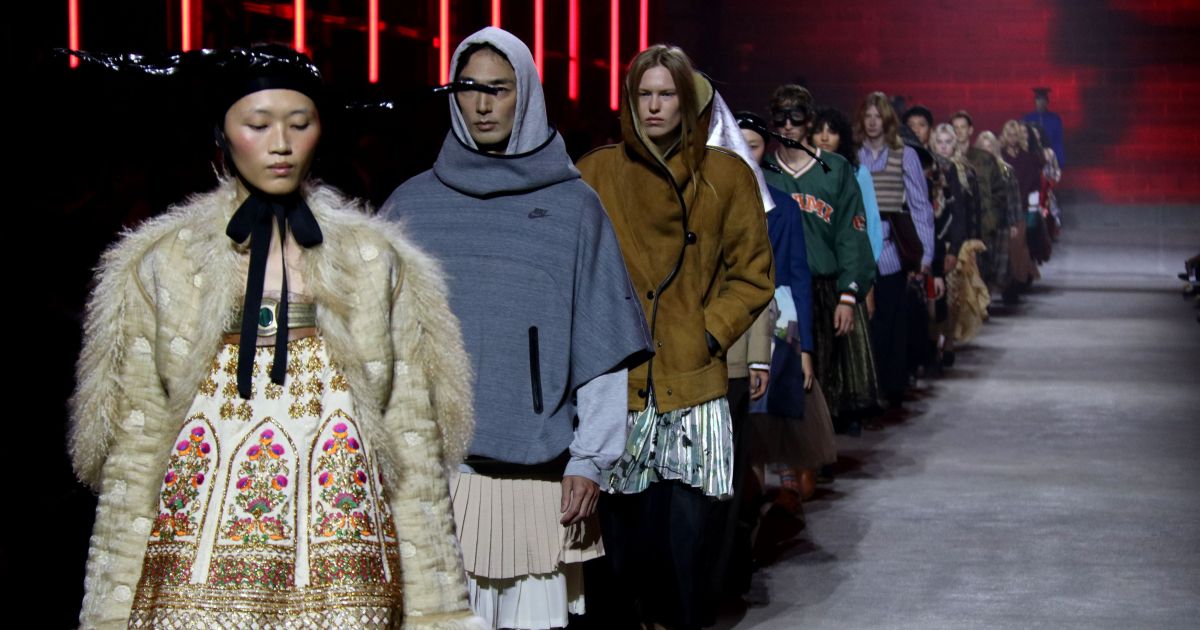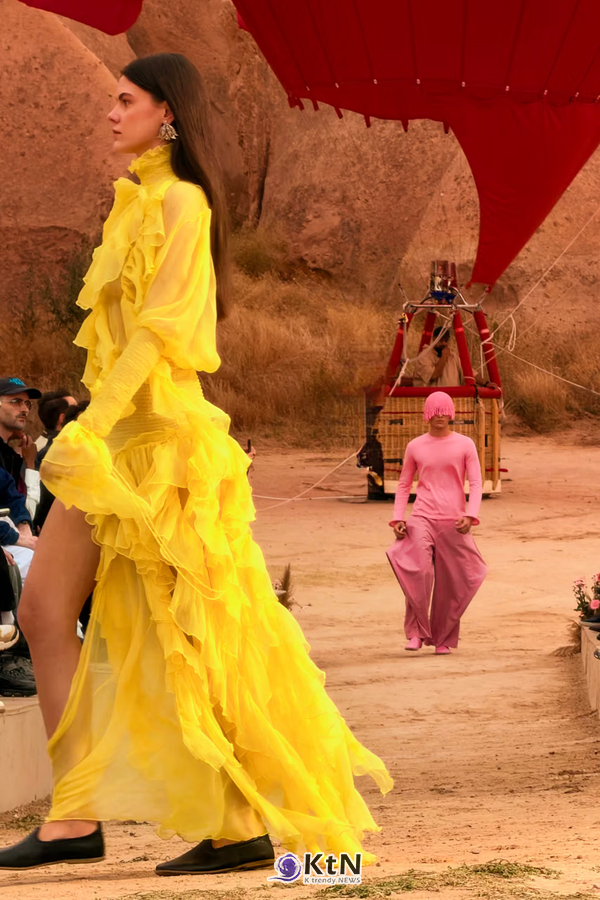
Picture this: a young woman in 1950s Johannesburg, dressed in a sharp tailored suit, steps onto a bus and refuses to move. Or a group of Harlem teens in the 1920s, turning zoot suits into a language of defiance and cool. Fashion has always been more than fabric — it's a cultural battleground and a love letter all at once.
Here's a fact that still blows my mind: researchers have found that the way we dress can actually change how we think and perform. But long before psychology caught up, cultures around the world understood something deeper — what you wear is a sentence in a language everyone can read.
I've spent years watching how style travels across borders, gets remixed, and comes back home looking nothing like where it started. And let me tell you, the story of fashion as cultural expression is way messier — and more fascinating — than any runway show lets on.
The Clothes That Speak Before You Do
Let's be honest: you've judged someone by their outfit. I have too. That's not shallow — that's human. Clothing is one of the oldest forms of non-verbal communication, and every culture has its own dialect.
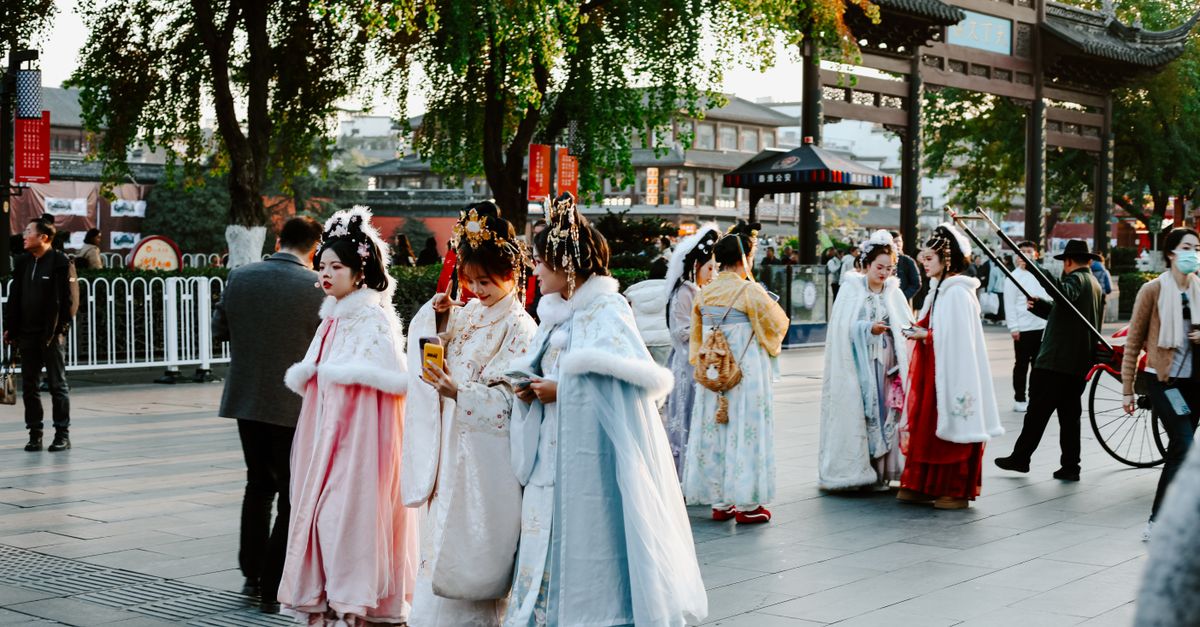
Think about the Maasai shuka cloth, the Japanese kimono, the Indian sari, the Scottish kilt. These aren't just garments — they're identity markers passed down through generations. A sari's drape can tell you which region of India a woman is from. A kilt's tartan pattern can point to a specific clan.
Here's what most people miss: this isn't just about tradition. Even your everyday choices — the sneakers you pick, the way you tuck your shirt — are tiny cultural broadcasts. Fashion as cultural expression happens every single morning when you open your closet and decide who you're going to be that day.

When Style Becomes a Protest
Some of the most powerful fashion statements in history weren't designed for beauty — they were designed for defiance.
- The zoot suit became a symbol of resistance for Black and Mexican-American youth in the 1940s, even sparking the Zoot Suit Riots.
- The mini skirt in the 1960s wasn't just trendy — it was a middle finger to restrictive social norms.
- The hijab has become a complex symbol of faith, identity, and personal choice that gets debated endlessly in Western media.
- The black beret of the Black Panther Party turned a simple accessory into an emblem of revolution.
The Great Remix: Cultural Appropriation or Appreciation?
Okay, this is where things get spicy. Fashion has always borrowed from other cultures — silk from China, denim from France, paisley from Persia. But there's a fine line between cultural appreciation and appropriation, and the fashion industry has crossed it more times than I can count.
Remember when designers started putting Native American headdresses on runway models? Or when Kim Kardashian launched a shapewear line called "Kimono"? Yeah. Those moments sparked massive backlash — and rightly so.
But here's the nuance most people skip: cultural exchange in fashion is inevitable and often beautiful. The problem isn't borrowing — it's borrowing without credit, context, or respect. When a luxury brand sells a mass-produced version of a sacred garment while the community that created it gets nothing? That's not fashion. That's theft with a price tag.
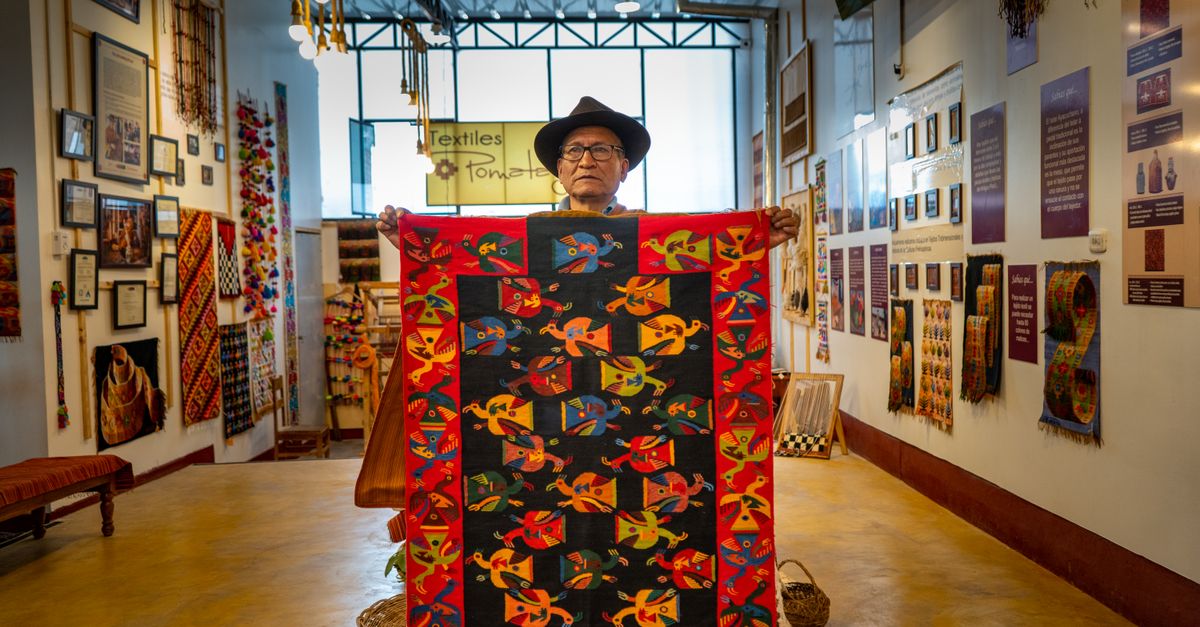
What I love seeing instead? Designers who collaborate with artisans, who pay homage openly, who bring traditional crafts into the global spotlight without erasing their origins. That's the future I want to see.
Street Style Is the People's Runway
Forget Paris Fashion Week for a second. The most exciting fashion as cultural expression is happening on sidewalks, in subcultures, and on your TikTok feed.
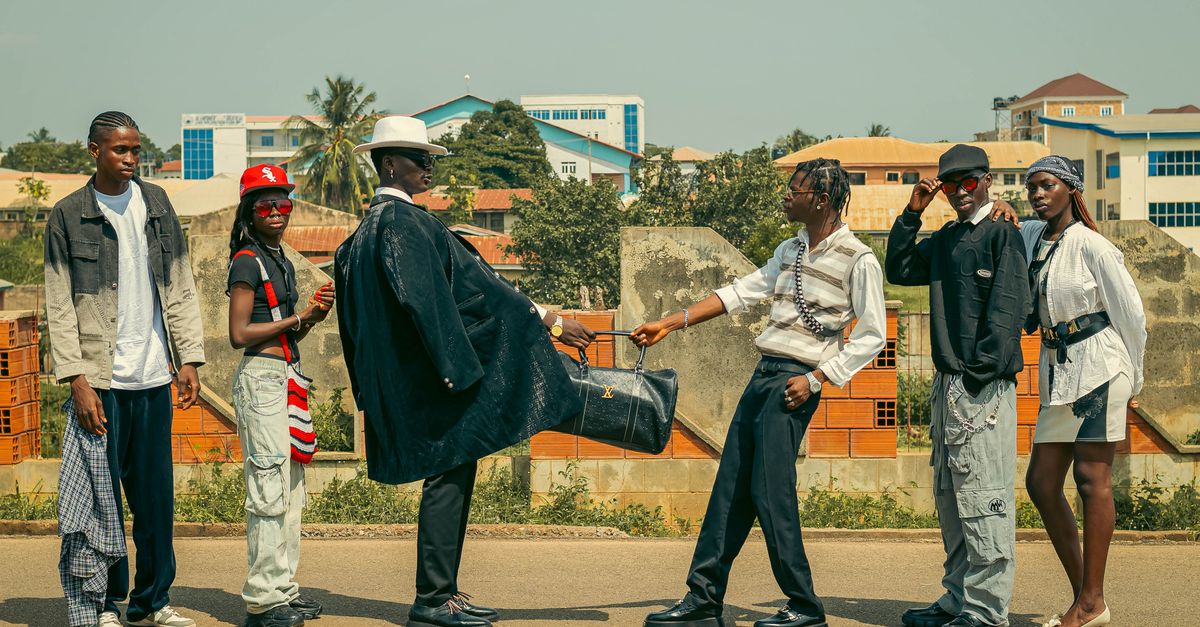
Hip-hop culture gave us oversized silhouettes, sneaker obsession, and the whole concept of "drip." Japanese street fashion spawned entire tribes — Harajuku kids, Lolita fashion, gyaru style. Lagos and Nairobi are producing some of the most vibrant tailoring on the planet right now.
Street style is democratic. It doesn't wait for a designer's permission. It takes what's available, flips it, and makes it mean something new. And with social media, these local expressions travel globally in hours.
I've found that the most authentic cultural fashion moments rarely start on a runway. They start in neighborhoods, at concerts, at protests, at family weddings. The runway just catches up later and charges ten times the price.
The Digital Wardrobe: Culture in the Age of Screens
Here's a twist nobody saw coming: virtual fashion is now a cultural space. Gamers spend real money on digital outfits. People buy clothes for their avatars before they buy them for themselves. Brands are hosting runway shows inside video games.
Is this cultural expression or just another marketplace? Honestly, probably both. But what fascinates me is how digital fashion lets people experiment with identity in ways physical fashion never could. A shy teenager in a small town can build an avatar that expresses their heritage, their mood, their dreams — without judgment.
The flip side? Fast fashion and algorithmic trends are flattening local styles into a global mush. When everyone's shopping from the same apps, the risk is that cultural distinctiveness gets smoothed into sameness. That's something worth pushing back against.

Why Your Closet Is a Cultural Archive
Let me leave you with this thought. Every piece of clothing you own is a tiny artifact of culture — where it was made, who designed it, what movement it belongs to, what it says about you. Your wardrobe is basically a personal museum of cultural expression, whether you realize it or not.
So next time you get dressed, ask yourself: what am I saying? And maybe more importantly — whose story am I carrying forward?
Fashion isn't frivolous. It never was. It's how we tell the world who we are when words aren't enough.
Now go look in your closet. What's the story hiding in there?