I'm about to say something that'll make every minimalist fashion influencer clutch their beige linen pearls: the 2010s "clean girl" aesthetic is dead, and we killed it by scrolling too much.
Here's the thing. For the past decade, fashion has been obsessed with looking like you just rolled out of a $400 skincare routine. Neutral tones. Tailored blazers. "Quiet luxury." It was safe, it was sterile, and frankly, it was boring. Then somewhere around late 2023, TikTok's algorithm started serving me clips of low-rise jeans, chunky belt buckles, and frosted eyeshadow — and I noticed something weird. I didn't hate it. I missed it.
I've found that digital nostalgia isn't just a trend — it's the entire engine driving 2025's biggest style movements. And the two eras doing the heaviest lifting? Y2K and indie sleaze.
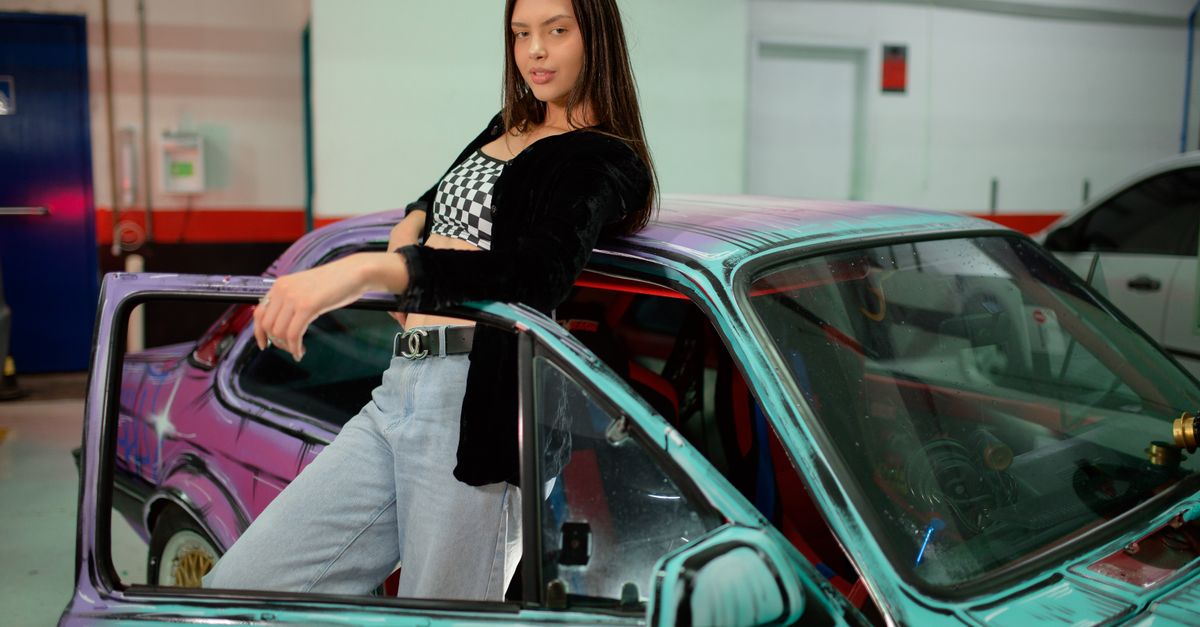
The Algorithm Ate the 2000s and Spit Them Back Out
Let's be honest about how weird this is. I was there for actual Y2K. I owned a Von Dutch trucker cap. I survived the butterfly clips. And I can tell you with total certainty that nobody in 2003 was thinking, "You know what? This will be a vibe someday."
But that's exactly what happened. Gen Z, who were literally toddlers or not even born during Y2K, are now the ones resurrecting it. Why? Because they grew up watching it through a screen — grainy camcorder footage, early-2000s music videos, the aesthetic of The Simple Life and Mean Girls. To them, it's not nostalgia. It's archaeology.
Here's what most people miss: this isn't a revival. It's a remix. The 2025 version of Y2K takes the silhouette (low-slung everything, baby tees, oversized sunglasses) and filters it through modern values — inclusive sizing, sustainable materials, gender-fluid cuts. The vibe is 2001. The ethics are 2025.
Indie Sleaze Was Ugly on Purpose — And That's Why It's Back
Now let's talk about the messier sibling.
Indie sleaze — that gloriously grimy mid-2000s aesthetic of American Apparel disco pants, smudged eyeliner, leather jackets, and hair that looked like you'd been up for three days straight — is having a full-blown resurgence. And I'm not surprised one bit.
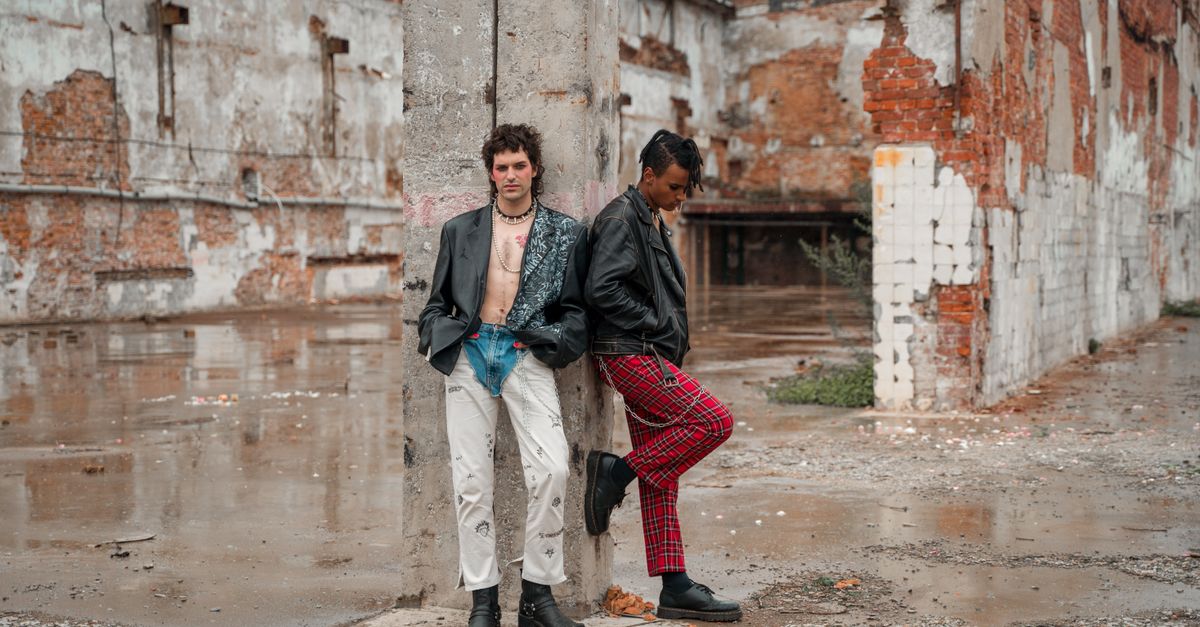
Think about the cultural moment we're in. AI is writing our emails. Everything's optimized, monetized, and perfectly filtered. Indie sleaze is the anti-aesthetic backlash — it's fashion's way of saying "I refuse to be a brand." The smudged eyeliner says you went to a show last night and didn't check your phone once. The vintage band tee says you have taste that can't be bought from a fast-fashion drop.
I've found that the indie sleaze revival is strongest in cities with real music scenes — Berlin, Brooklyn, East London, and honestly, pockets of Bangalore and Mumbai where the indie circuit is quietly thriving. It's not a mall trend. It's a subculture trend that the algorithm accidentally mainstreamed.
And here's the uncomfortable truth: when a subculture goes mainstream, it loses its edge. So the real indie sleaze kids are already moving on. The rest of us are just catching up.
Why Nostalgia Sells So Damn Well in 2025
Let me get slightly nerdy for a second, because this matters.
Digital nostalgia works because of something psychologists call rosy retrospection — our brain's annoying habit of remembering the past as better than it actually was. We don't remember the dial-up screech. We remember the feeling of a world that felt smaller, slower, and somehow more real.
Fashion brands figured this out fast. Here's the playbook they're running:
- Mine the archive — dig up an era with strong visual identity (Y2K, indie sleaze, McBling)
- Strip the problematic parts — no fatphobia, no fast-fashion waste messaging
- Repackage it for TikTok — 15-second transformation videos, "get ready with me" nostalgia edits
- Sell it back to the generation that never lived it
The Style Trends Actually Winning in 2025
So what does this look like on the ground? Pulling from what I'm seeing on the streets, in lookbooks, and yes, on my own endlessly scrolling feed:
- Low-rise everything — jeans, skirts, even trousers. The waistline is dropping and your high-waisted safety net is gone.
- Chunky accessories — belt buckles the size of your palm, oversized sunnies, layered chunky necklaces.
- Frosted and glittery makeup — the return of shimmer eyeshadow and lip gloss that could double as a mirror.
- Trucker hats and baby tees — Von Dutch energy, minus the Von Dutch price tag (unless you're buying vintage, in which case, good luck).
- Distressed leather and band merch — the indie sleaze backbone.
- Metallic and holographic accents — because Y2K never met a shiny surface it didn't love.
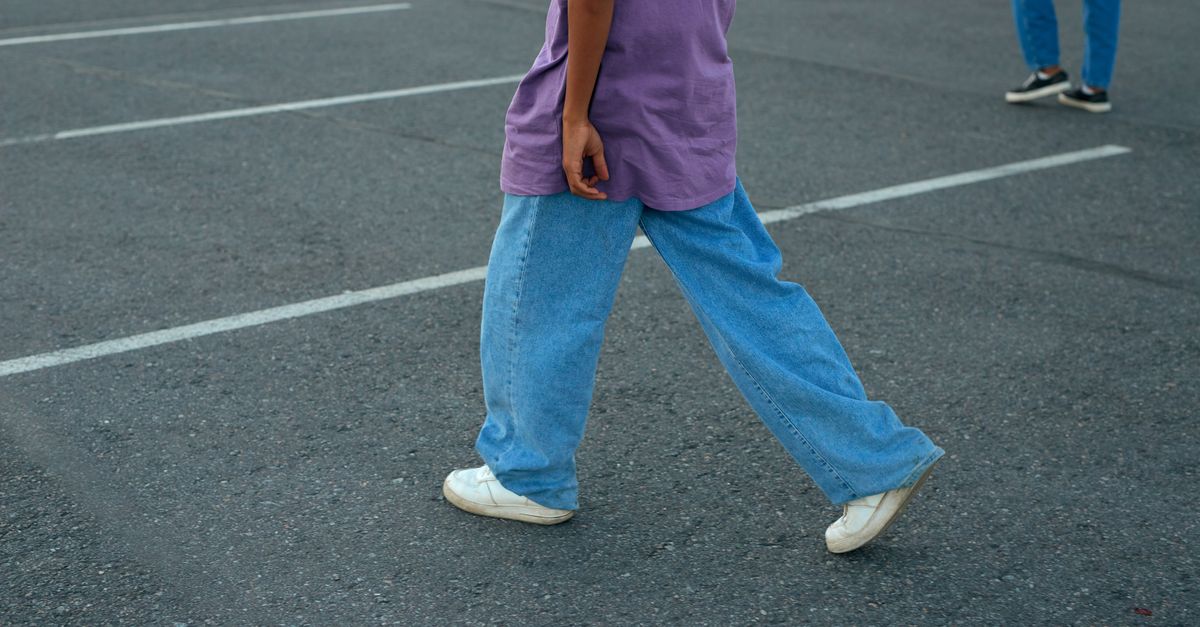
The through-line? Everything is slightly maximalist and slightly chaotic. We're reacting against a decade of beige.
The Part Nobody Wants to Admit
Here's my hot take, and you can fight me in the comments.
Digital nostalgia is a symptom, not a style. We're not dressing like 2001 because we love the fashion. We're dressing like it because we're homesick for a version of the internet that felt fun instead of exhausting. For a time before every outfit was content and every purchase was a performance.
Fashion has always recycled. That's not new. What's new is the speed — the way a trend that took five years to spread in the 2000s now goes from niche TikTok to Zara shelf in about six weeks. The nostalgia cycle has collapsed. We're now nostalgic for things that happened fifteen minutes ago.
Which raises a genuinely uncomfortable question: if we keep recycling the past this fast, what does original fashion even look like anymore?
I don't have a clean answer. But I do know this — the next time you slip into a pair of low-rise jeans and a chunky belt, ask yourself whether you're wearing them because you love them, or because an algorithm decided you should.
Because that's the real trend of 2025. Not Y2K. Not indie sleaze.
It's the feeling that the past is the only place left that feels safe to shop.
And honestly? That's worth more than a vintage trucker hat.