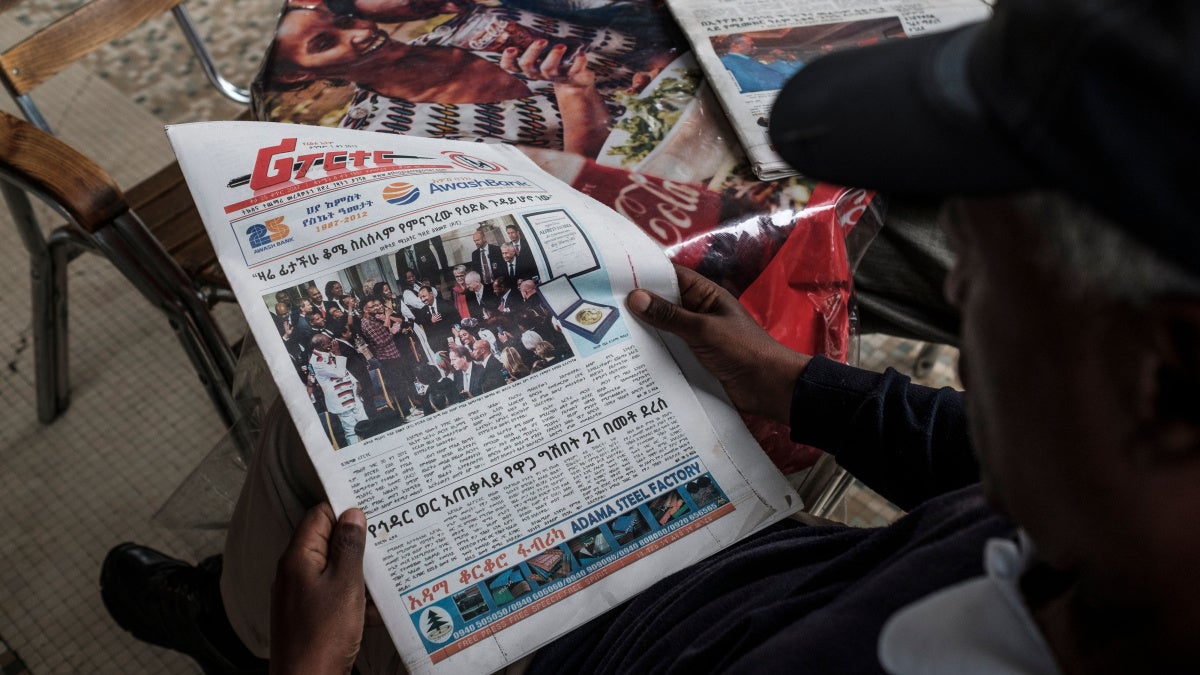
The Ethiopian Media Authority has indefinitely suspended the print and online license of the Reporter, one of the country's oldest media outlets, according to Human Rights Watch. The regulator announced the decision in a November 2 Facebook post, saying the suspension took effect immediately.
The Reporter publishes in both English and Amharic and is described by Human Rights Watch as Ethiopia's last privately owned Amharic newspaper.
According to Human Rights Watch, the authority accused the outlet of breaking national laws and media ethics by repeatedly publishing material it characterized as contrary to "national interests." The regulator further claimed the newspaper carried "distorted content" that harms foreign investment, tourism and diplomacy.
Why it matters
Human Rights Watch frames the suspension as part of a broader crackdown on media and civic space in Ethiopia, and warns that vague appeals to national interest are increasingly being used to justify shutting down critical reporting. The loss of the Reporter removes one of the few remaining independent voices in the country, and the only privately held Amharic-language daily, from Ethiopia's media landscape.
The outlet had warned of exactly this kind of pressure. In an editorial published days before the suspension, the Reporter said Ethiopia's private press was passing through one of the most dangerous chapters in its history and urged immediate reforms to keep it from collapsing entirely, according to Human Rights Watch.
A pattern of pressure on journalists
The suspension did not come in isolation. Human Rights Watch reports that since 2025, Ethiopian authorities have shut down multiple media outlets, expelled foreign correspondents and moved against local journalists through arbitrary detention, enforced disappearances and raids on newsrooms.
In October, plainclothes police detained journalists Samuel Getachew and Amanuel Gebremedhin and charged them over reporting that authorities said could cause disruption in Addis Ababa. The two were held for eight days, according to Human Rights Watch.
The Reporter itself has faced direct pressure as well. Human Rights Watch says its journalists have been arrested and the outlet has operated under sustained government scrutiny in the period leading up to the license suspension.
Calls for reversal
Human Rights Watch is urging the Ethiopian government to reconsider the decision and is asking international partners with an interest in the country to press for the suspension to be lifted.
What to watch: whether the Ethiopian Media Authority responds to international criticism, and whether other privately owned outlets face similar action in the weeks ahead.




