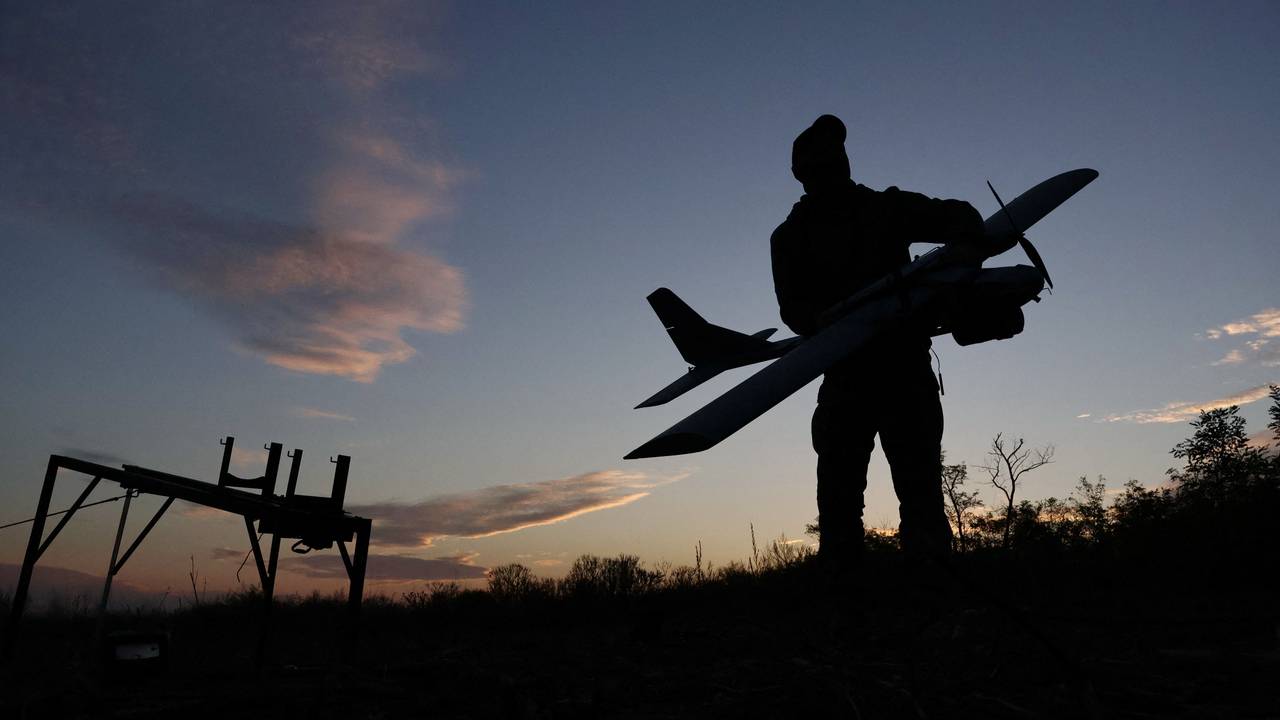
Ukrainian forces carried out a large-scale drone attack on Russia's Nizhny Novgorod region on Sunday, 1 November, damaging an industrial facility in Kstovsky district, according to Lenta News. Regional governor Gleb Nikitin said in a post on the Max messaging app that the plant had sustained serious damage and that assessments of harm to civilian infrastructure and property were still under way.
More than one hundred unmanned aerial vehicles were intercepted and destroyed over the region by air defense units, Lenta News reports. Preliminary information indicates that no people were injured.
Nikitin said all necessary resources had been committed to dealing with the aftermath, with emergency crews working at the affected locations. He also warned that temporary power cuts were possible in the region, along with reduced hot water and heating output on some sections of the utility networks serving residential buildings.
Why it matters
The strike is notable for its scale. According to Lenta News, the number of drones brought down over a single region exceeded one hundred, a figure that points to a massed attack rather than an isolated incursion. Nizhny Novgorod lies deep in the Russian interior, well beyond the border areas that have seen the most frequent cross-border drone activity, which makes the reach of the operation significant in its own right.
The damage to an industrial enterprise also carries economic weight. The governor's statement did not identify the facility, and Lenta News did not name it either. What is clear from the official account is that the site suffered serious damage and that the full picture of the losses to civilian infrastructure was not yet known at the time of the governor's message.
What other outlets reported
Coverage of the same events from other Russian and independent outlets adds context. Meduza reported that Ukrainian drones struck an oil refinery in Kstovo, in the Nizhny Novgorod region, and that a fire broke out at the facility. Rosbalt reported that more than a hundred drones were destroyed over the region during the massed attack. Interfax reported that a Nizhny Novgorod industrial enterprise sustained significant damage in the assault. These accounts are consistent with the governor's statement that an industrial site in Kstovsky district was hit, though Lenta News's reporting as summarized here does not itself name the refinery.
The discrepancy in naming is worth flagging for readers: official statements described an unnamed industrial enterprise, while Meduza identified the target as the Kstovo refinery. CYBEV.io has not independently verified the identity of the damaged facility and is reporting the descriptions as each outlet gave them.
Utility disruptions and official response
Beyond the physical damage, the governor's warning about possible interruptions to electricity, hot water and heating is a reminder that the consequences of such strikes can extend to ordinary households. The affected utility sections supply residential buildings, and the governor framed the reductions as temporary and possible rather than certain. Emergency services were described as active on the ground, and the governor said the resources needed to clear the aftermath had been deployed.
The regional head's use of the Max messenger to communicate the update follows a pattern among Russian officials of announcing incident details through domestic social platforms. Lenta News reported the governor's remarks as they appeared there.
The attack was not the only one reported overnight. According to Lenta News, Yuri Slyusar, the head of Russia's Rostov region, also spoke about air defense activity during the night of 1 November and about the consequences of a drone attack there. Lenta News's summary did not provide further detail on the Rostov events.
A pattern of long-range strikes
Drone attacks on Russian territory have become a recurring feature of the war, with targets ranging from energy infrastructure to industrial sites. The Nizhny Novgorod region, located east of Moscow, hosts major refining and manufacturing capacity, which makes it a strategically relevant target set. Reports of a refinery fire in Kstovo, if confirmed, would fit that pattern.
For now, the confirmed elements from Lenta News's reporting are limited: a massed drone attack on 1 November, more than a hundred drones destroyed by air defenses, serious damage to an industrial enterprise in Kstovsky district, no reported casualties on preliminary information, and warnings of possible utility disruptions. Damage assessments were described as ongoing.
What to watch next: the results of the damage assessment the governor said was continuing, any official identification of the facility that was hit, and whether the reported fire at the Kstovo refinery is confirmed by subsequent reporting.




