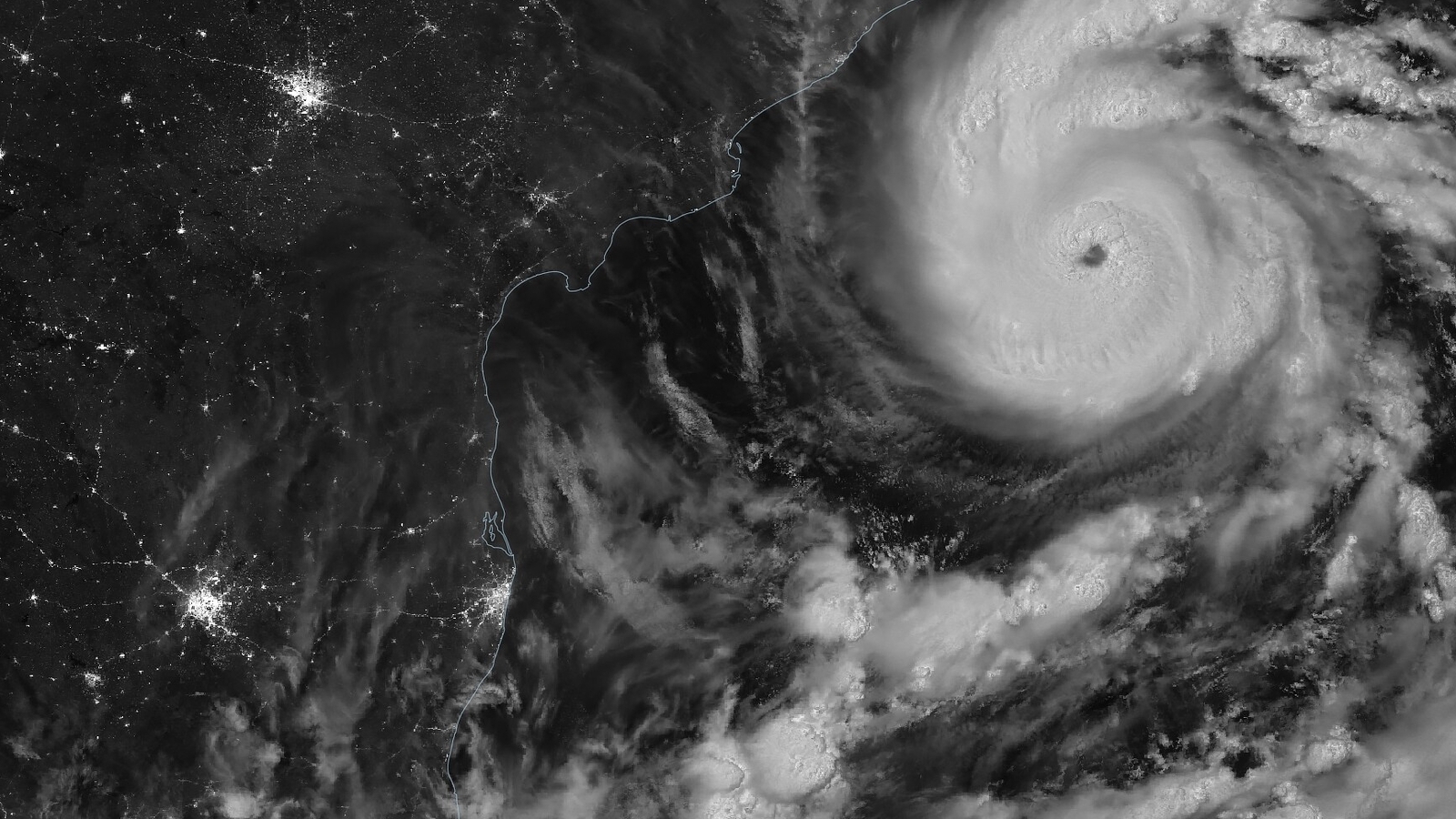
Cyclonic Storm Murasu is expected to make landfall along the Andhra Pradesh coast in the early hours of November 3, according to the India Meteorological Department. The storm, which formed over the southwest and adjoining west-central Bay of Bengal, is forecast to bring winds of 80–90 kmph, gusting to 100 kmph, IMD director general Mrutyunjay Mohapatra said at a virtual press conference.
The system arrives days after Cyclone Arnab battered the same coastline, and Andhra Pradesh chief minister N Chandrababu Naidu has cancelled a scheduled visit to Delhi on Monday because of the threat, Hindustan Times reports.
Why it matters
Central and south coastal Andhra Pradesh are expected to take the brunt of the storm. The IMD has issued a red alert for November 2 in five districts — Krishna, Guntur, Bapatla, Prakasam and SPSR Nellore — where extremely heavy rainfall is likely.
Heavy to very heavy rain is forecast across coastal Andhra Pradesh, Rayalaseema and Telangana on November 2 and 3, with extremely heavy rain at isolated places in coastal Andhra Pradesh and Yanam. Coastal areas are also expected to see gusty winds of 80–90 kmph on both days.
The storm's approach follows severe flooding in neighbouring Odisha, where Cyclone Arnab hit the southern districts. That damage is still being dealt with as the new system moves in, which raises the stakes for preparedness on both sides of the border.
Forecast and official response
Mohapatra said the depression had intensified into a cyclonic storm and that, once formed, it would carry the name Murasu. He added that there is a slight chance it could strengthen into a severe cyclonic storm, though the current forecast is for a cyclonic storm crossing the Andhra coastline on the morning of November 3.
In a post on X, Naidu said the weather system is likely to intensify into a severe cyclonic storm over the west-central Bay of Bengal by November 2 and may cross the coast near Bapatla on the morning of November 3.
In Odisha, the Special Relief Commissioner has issued a precautionary preparedness action plan and emergency directives to ensure the state is ready for heavy rain and strong winds. Odisha's southern region is on high alert, according to Hindustan Times.
The IMD has also forecast isolated to scattered rainfall over Jharkhand and Sub-Himalayan West Bengal and Sikkim between November 1 and 4. Gangetic West Bengal may see rain between November 1 and 3, Bihar is likely to get isolated rainfall on November 1 and 2, and the Andaman and Nicobar Islands are expected to receive rain through November 1–7.
Separately, Mohapatra said below-normal rainfall and above-normal temperatures are likely across most of the country in November. October 2026 was the hottest October since 1901 in terms of the country's average maximum temperature, he said.
Flood recovery continues in Odisha
The flood situation in Odisha's Ganjam and Gajapati districts, which were hit by Cyclone Arnab, improved gradually on Saturday as water receded from most affected areas and river levels declined. Chief Minister Mohan Charan Majhi directed officials to step up relief and restoration work.
Ganjam and Gajapati were the worst affected of the nine southern districts hit by the very severe cyclonic storm. More than 1.5 lakh people were affected in Ganjam and over 30,000 in Gajapati, prompting evacuations and the opening of relief camps.
Ganjam Collector V Keerthi Vasan said 56,051 people had been moved to 367 safe shelters, with cooked food distributed at 370 locations across the district. Around 700 people remained stranded in waterlogged areas, he said, adding that food had been delivered by air to marooned villages using helicopters of the Indian Navy and the Indian Coast Guard.
How cyclones get their names
Murasu means "drum" in Tamil and was proposed by India under the regional naming system for tropical cyclones over the North Indian Ocean, which covers the Bay of Bengal and the Arabian Sea. According to a report by Mathrubhumi cited by Hindustan Times, the word refers to a traditional percussion instrument that historically carried a social role, used to spread public information and make announcements across villages and kingdoms.
The IMD, through its Regional Specialised Meteorological Centre in New Delhi, is responsible for naming these systems. According to the Ministry of Earth Sciences, 13 countries take part: Bangladesh, India, Iran, the Maldives, Myanmar, Oman, Pakistan, Qatar, Saudi Arabia, Sri Lanka, Thailand, the United Arab Emirates and Yemen.
The list introduced in 2020 holds 169 names, with each country contributing 13, used in sequence. A storm is named only when its maximum sustained surface wind speed reaches 34 knots, or roughly 62 kmph — not simply because a system forms over the sea or is forecast to bring rain. The name does not indicate which country the storm will affect.
What to watch
Authorities in Andhra Pradesh and southern Odisha will be watching the storm's track and intensity through November 2, with landfall expected near Bapatla on the morning of November 3.




