If you want to know what Africa is talking about before your first coffee cools, this is your briefing. The CYBEV TV daily briefing is a fast, plain-spoken round-up for the CYBEV audience across Africa and the diaspora — the stories that actually move markets, shape policy, and dominate group chats from Lagos and Nairobi to London, Toronto, and Atlanta.
Today we track continental policy decisions, currency and commodity movements, the tech and entertainment headlines driving conversation, and the global developments that ripple back into African households. Read on for the specific stories worth your attention, plus the context that most quick-hit feeds leave out.
- The briefing prioritises stories with direct impact on African livelihoods, markets, and diaspora remittances.
- Currency and commodity movements remain the fastest-moving signal for households and small businesses.
- Tech and creative-economy headlines are increasingly Africa's strongest soft-power export.
- Global rate decisions and energy prices still shape local costs more than most local headlines.
- Readers should verify breaking figures against primary sources before acting on them.
What Are the Biggest Stories Across Africa Today?
Across the continent, the day's agenda is dominated by policy execution rather than policy announcement. The African Continental Free Trade Area (AfCFTA) continues to move from signature to substance, with customs harmonisation and rules-of-origin work advancing in regional blocs. That matters because intra-African trade still sits well below potential — the United Nations Economic Commission for Africa has repeatedly estimated intra-African trade at roughly 15% of total continental trade, against 60%+ within Europe. Every procedural step that lowers that friction is a real economic event, not a photo opportunity.
The policy threads to watch
- Trade corridors: Border-post digitisation and single-window customs systems in East and West Africa.
- Energy access: Grid investment and mini-grid licensing as demand outpaces supply.
- Fiscal pressure: Debt-servicing costs squeezing health and education budgets in several economies.
- Elections and governance: Electoral commission preparations and court challenges in countries heading to the polls.
In Nigeria, Kenya, Ghana, and South Africa, the common thread is delivery capacity — whether institutions can convert plans into functioning services. Watch procurement announcements and central bank circulars closely; they tend to preview where money and risk are actually moving.
How Are African Currencies and Markets Performing?
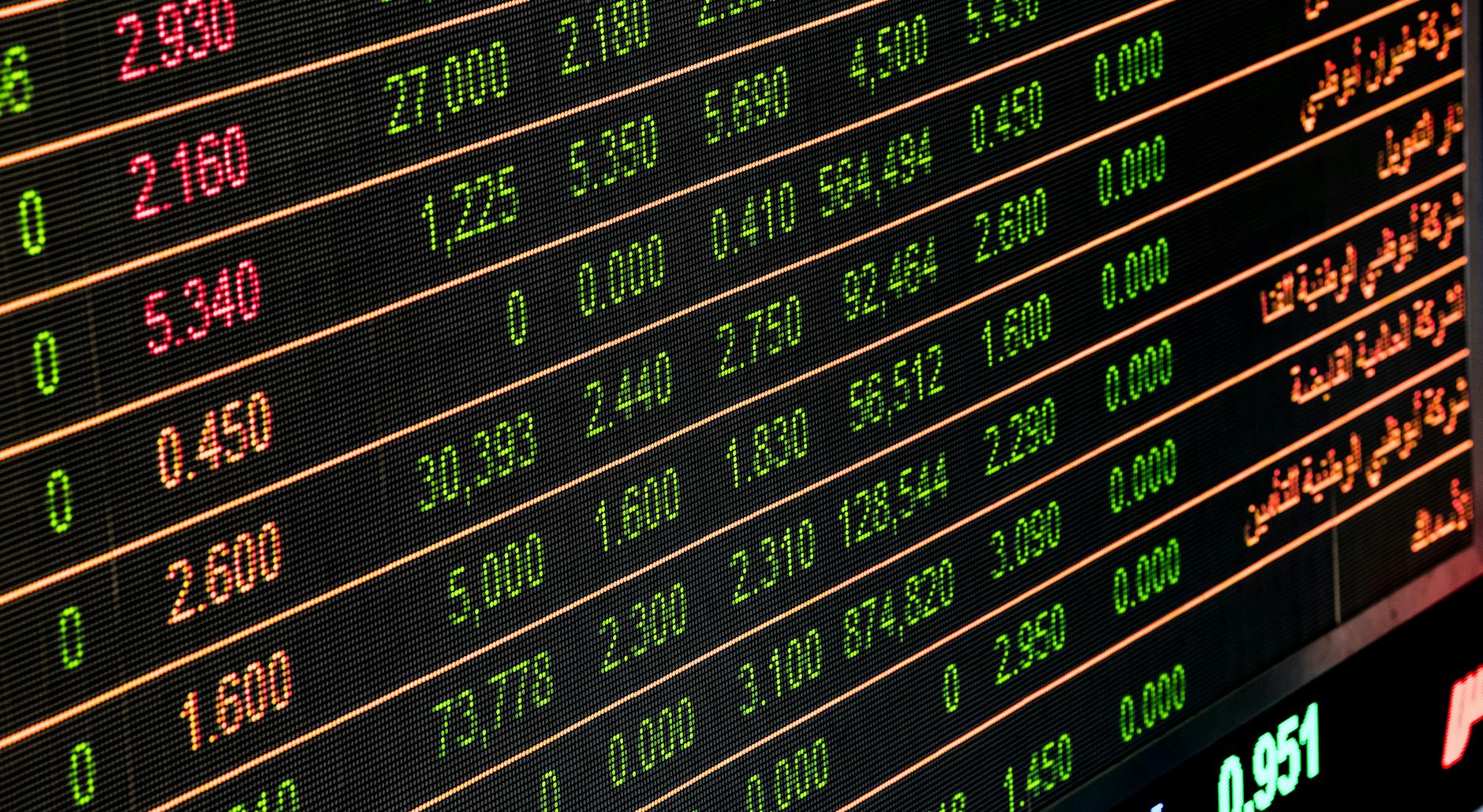
For most households, the exchange rate is the most consequential number in the news. Currency volatility across major African markets has been the dominant financial story of the past two years, driven by dollar strength, import bills, and sovereign debt refinancing. When a currency slides, the transmission is immediate: fuel, pharmaceuticals, and imported food staples rise first, and they rise fastest for the lowest-income households.
Commodity prices are the other half of the equation. Oil producers in Angola and Nigeria, cocoa exporters in Ghana and Côte d'Ivoire, and mineral exporters in the DRC and Zambia all feel global price swings directly in fiscal revenue. Cocoa prices, for instance, hit historic highs in 2024 on West African supply shortfalls — a windfall for exporters but a cost shock for chocolate makers worldwide.
What to check before you act
- Confirm the official central bank rate against parallel-market rates — the gap tells you about pressure.
- Track inflation baskets, not just headline CPI; food and transport weights differ by country.
- Watch sovereign bond yields for early signals on refinancing stress.
For the diaspora, remittance corridors are the practical takeaway: small shifts in transfer fees and FX spreads can mean meaningful money over a year.
Which Tech and Entertainment Stories Are Driving Conversation?
Africa's tech and creative sectors keep generating the headlines that travel furthest. Fintech remains the continent's strongest startup category, with mobile money processing volumes that dwarf traditional retail banking in several markets. The GSMA has consistently reported hundreds of millions of registered mobile money accounts across Sub-Saharan Africa — infrastructure that now underpins everything from e-commerce to agricultural payments.
On the entertainment side, Afrobeats, amapiano, and African cinema continue to convert streaming attention into touring revenue and licensing deals. The strategic shift is from visibility to ownership: artists, labels, and studios are increasingly negotiating rights and equity rather than chasing one-off virality.
The stories worth following
- Fintech regulation: licensing frameworks and interoperability mandates.
- AI and data: local-language model development and data-sovereignty rules.
- Streaming rights: how African content libraries are valued and licensed.
- Creator economy: monetisation tools and cross-border payments for creators.
If you follow one thread, follow payments. Almost every other digital business on the continent depends on it.
What Global Developments Matter Most to African Audiences?
Africa is not a spectator in global affairs, and today's international agenda has direct local consequences. Central bank rate decisions in the United States and Europe set the cost of borrowing for African sovereigns and corporates, because tighter global liquidity raises risk premiums everywhere. Energy prices — shaped by OPEC+ decisions and shipping-route security — feed straight into transport and food costs.
Climate finance is the other big thread. African governments continue to press for reform of the global financial architecture, arguing that the continent receives a small fraction of global climate finance while carrying a disproportionate share of climate risk. Concessional lending terms, debt-for-nature swaps, and carbon market rules are the concrete battlegrounds.
Three global signals to track
- Rate paths: US Federal Reserve and European Central Bank guidance and what it implies for dollar-denominated debt.
- Trade rules: tariffs, shipping costs, and supply-chain diversification.
- Multilateral reform: IMF and World Bank quota and lending-policy debates.
The plain-spoken version: when global money gets expensive, African budgets get squeezed first. That is why these stories belong in a continental briefing.

Frequently Asked Questions
What is the CYBEV TV daily briefing?
It is a concise daily news round-up built for African and diaspora audiences. Each edition covers continental policy, markets, tech, entertainment, and the global stories that affect African households — written in plain language with context rather than hype.
How often is the briefing published?
The briefing is designed as a daily product, published each morning so readers can catch up quickly before the news cycle accelerates. Sections are structured so you can read the whole thing in a few minutes or jump straight to the topic you care about.
Which regions and topics does it cover?
It covers all major African markets and regions, plus diaspora communities in Europe, North America, and the Gulf. Topic coverage spans policy and governance, currencies and commodities, technology and startups, creative industries, and global economics.
Can I trust the figures in the briefing?
The briefing prioritises verifiable sources such as central banks, national statistics offices, the African Union, the IMF, and the World Bank. Because markets move intraday, always confirm live rates and breaking figures against primary sources before making financial decisions.

Is the briefing useful for investors and business owners?
Yes. It is written for people who need situational awareness quickly — entrepreneurs, investors, analysts, and diaspora professionals. It highlights the signals that affect costs, currency exposure, and market access without requiring specialist financial training.
Conclusion
The value of a daily briefing is not that it tells you everything — it is that it tells you what matters first. Today's through-line is clear: African policy execution, currency and commodity pressure, and a tech and creative sector moving from visibility to ownership, all set against a global backdrop of expensive money and contested trade rules.
Read it fast, then verify what affects you directly. The CYBEV TV daily briefing exists to give the CYBEV audience across Africa and the diaspora a reliable starting point — plain-spoken, specific, and free of noise.