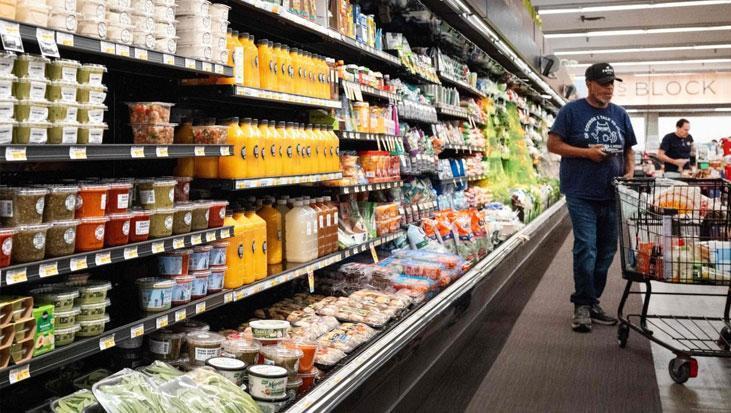
A wave of digital sabotage targeting grocery store refrigeration has reached Sweden and Belgium, according to Milliyet, after earlier incidents in France spread across the continent. Attackers gained access to cooling and freezing systems at supermarket chains and raised temperatures, rendering large quantities of fresh and frozen food unusable. Stores in both countries reported flooding and products that had to be destroyed.
Why it matters
The incidents show how an intrusion into ordinary commercial equipment can disrupt daily life without a single theft or power cut. Refrigeration is the backbone of the food chain, and when it fails, perishable stock is lost within hours. The European Commission said the events demonstrate that cyberattacks can interrupt services, affect businesses and directly disturb citizens' routines, according to remarks by spokesperson Thomas Regnier reported by Milliyet.
The timing has drawn extra attention. The attacks follow warnings from 33 countries, led by the United States and 17 European nations, urging citizens to keep several days' worth of food, flashlights, cash and batteries on hand. Newsweek's coverage of that advice triggered speculation about a wider crisis, with a cyber-induced systems failure cited as the most likely scenario in international press commentary.
What happened in Sweden
Swedish media reported that cooling systems at several supermarket chains were targeted in cities including Stockholm, with temperatures in fridges and freezers pushed upward. At an Ica store on Öland, manager Mats Olsson told reporters that the air temperature in the coolers had been raised to as high as 55 degrees Celsius, and that he arrived in the morning to find the premises covered in water.
Other Ica branches said on social media that a cyberattack on their cooling units had spoiled numerous food products, with particular difficulty at frozen goods counters. Coop, another Swedish chain, also confirmed it was affected. Store official Carlos Cancino said the company had received reports of problems with freezers and refrigerators at six of its branches nationwide.
Belgium and the EU response
In Belgium, temperatures rose abruptly in the refrigeration and freezer units of numerous stores belonging to one supermarket chain, spoiling products, and the cause has not been confirmed, with a possible cyberattack under examination. Belgian broadcaster RTL reported that Delhaize management sent a text message to store managers around 4 a.m. warning of sudden temperature increases at some locations. Temperatures in fridges and especially freezers reportedly climbed to about 15 degrees Celsius.
Staff took emergency steps to limit losses, and some outlets brought in refrigerated trucks to protect their stock. Some affected stores had to discard all refrigerated and frozen goods because the cold chain could not be maintained, and significant losses in fresh and frozen products are expected. Delhaize's refrigeration unit has been mobilized to address the problem.
Regnier said the Commission was aware of the incidents and that the EU has tools in place to respond. Because more than one member state was affected, authorities turned to the European Cyber Crisis Liaison Organisation (EU-CyCLONe) for coordination and information sharing, he said, adding that the EU will keep working with member states to strengthen cybersecurity across the bloc.
The stockpiling backdrop
The 33-country advisory asked residents to keep enough food for three to seven days along with a flashlight, cash and batteries. Individual governments have issued their own guidance. The United Kingdom launched a "Be Ready" program recommending nine liters of water per person for three days, dry food, medicine and a flashlight. Japan asked for a three-day food supply and is activating a new disaster management agency. France advised preparing an emergency bag with three days of supplies, cash, copies of important documents and spare house and car keys. The United States renewed a 2003 emergency advisory calling for three days of food, 3.8 liters of water per person, a whistle and a flashlight. Norway added a sleeping bag and candles to its list. Denmark published a sample three-day menu including crispbread, canned mackerel in tomato sauce, chickpeas and beans, pasta, grains, canned vegetables, nuts and vegetable oil. India recommended a battery-powered flashlight, chlorine tablets for water treatment, a first aid manual and strong rope, and advised against salty and spicy foods because they increase thirst.
What to watch
Whether investigators confirm a cyberattack as the cause in Belgium, and whether the EU-CyCLONe coordination produces shared technical findings, will shape how governments treat the security of commercial refrigeration systems.




