
Africa's relationship with the rest of the world is being rewritten in real time, and two headlines from 2025 capture the shift better than any summit communiqué. The first is the dismantling of the US Agency for International Development, which overnight removed the largest single donor from African health and humanitarian budgets. The second is the Trump administration's push for a minerals-for-security deal with the Democratic Republic of Congo, tying American capital to the world's most important cobalt and copper reserves.
Read together, these stories reveal something bigger than either one: a continent that is no longer a passive recipient of aid and extraction, but a negotiating arena where Washington, Beijing, Brussels and Gulf capitals compete for influence. This article breaks down both stories, explains what they mean for African governments and businesses, and shows what to watch next.
- The collapse of USAID has removed billions in annual health funding, forcing African governments to diversify donors fast.
- A US-backed minerals-for-security push in DR Congo signals a wider contest for cobalt, copper and lithium.
- African states are leveraging rivalries between the US, China, the EU and Gulf states to negotiate better terms.
- Intra-African trade under the AfCFTA is becoming a hedge against volatile Western engagement.
- The winners will be countries with clear industrial strategies, not those that simply pick a superpower.
Why Is the Collapse of USAID Such a Shock to Africa?
For more than two decades, the United States was the largest bilateral donor to African health systems. USAID funding supported HIV treatment for millions of people, malaria bed nets, maternal clinics and vaccine cold chains across the continent. When the agency was effectively dismantled in 2025, programmes representing billions of dollars in annual spending were suspended or terminated, and the shock was felt from Nairobi to Lilongwe.
The numbers are stark. PEPFAR alone has supported antiretroviral treatment for more than 20 million people, the majority in sub-Saharan Africa. Even a partial withdrawal threatens to reverse two decades of progress on life expectancy. Health ministries in countries such as Malawi, Mozambique and Uganda, where donors fund a large share of the health budget, have had to triage services and renegotiate contracts almost overnight.
Who Is Stepping Into the Gap?
The response has been faster and more pragmatic than many predicted. The African Union has pushed a domestic financing agenda, urging member states to meet the long-standing Abuja target of allocating 15% of national budgets to health. Gulf states, China, and philanthropic foundations have expanded their footprints, while the World Bank and Global Fund have scrambled to bridge shortfalls.
- China continues to expand hospital construction and medical training partnerships.
- The Gulf, particularly the UAE and Saudi Arabia, is linking health investment to broader infrastructure deals.
- Private capital and African philanthropies are funding clinics and pharmaceutical manufacturing.
The deeper lesson is strategic: dependence on a single donor is a vulnerability, and African finance ministers are now treating health funding as a sovereignty issue rather than a charity line item.
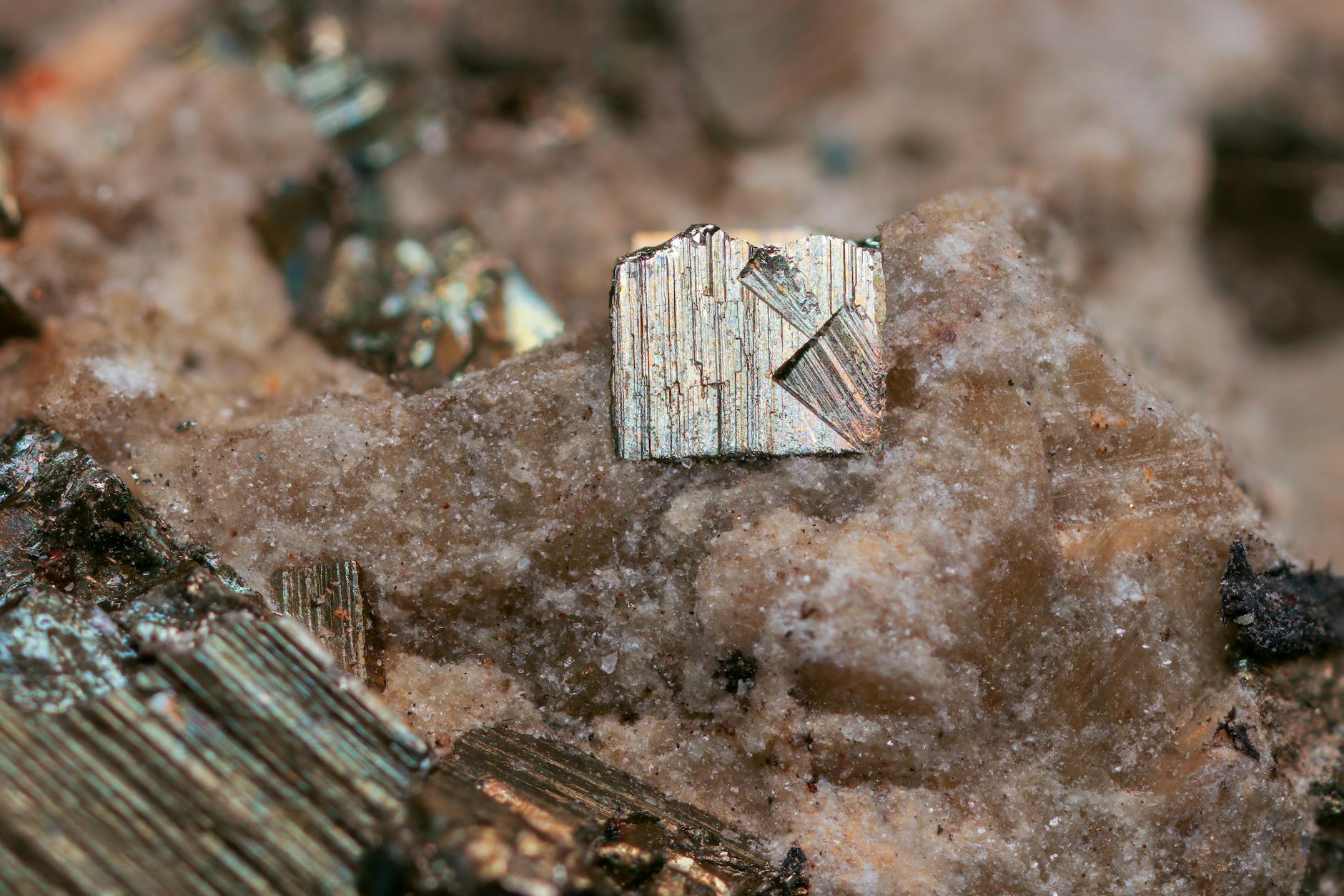
What Does the DR Congo Minerals Deal Mean for Global Supply Chains?
The second defining story is the US push for a minerals-for-security arrangement with the Democratic Republic of Congo. Kinshasa has offered preferential access to its vast cobalt, copper, lithium and coltan reserves in exchange for security assistance against armed groups in the east and American investment in processing and infrastructure.
The stakes are enormous. DR Congo supplies roughly 70% of the world's cobalt, a critical input for electric vehicle batteries and defence electronics. Yet most of that output has historically been refined in China, giving Beijing a chokehold on the midstream. A credible US-backed alternative would be one of the most significant supply-chain shifts in a generation.
A Multipolar Scramble for African Minerals
Washington is not acting in a vacuum. The European Union's Critical Raw Materials Act, China's Belt and Road mining investments, and Gulf sovereign wealth funds are all competing for the same assets. African governments have noticed, and many are rewriting mining codes to demand local processing, equity stakes and infrastructure in return for access.
- Zimbabwe banned raw lithium exports to force domestic processing.
- Namibia followed with restrictions on unprocessed critical minerals.
- Indonesia's nickel model is widely studied as a template across the continent.
The message from African capitals is consistent: minerals are leverage, not just exports.
How Are African Governments Navigating a Multipolar World?
The common thread between the aid shock and the minerals scramble is that African states now operate in a genuinely multipolar system. Rather than aligning automatically with Washington, Brussels or Beijing, governments are pricing their partnerships and hedging across several suitors at once.
South Africa's chairing of the G20 in 2025 is a case in point. Pretoria has used the platform to push for reform of the global financial architecture, debt relief and fairer terms for critical minerals, while simultaneously managing complex relations with both the US and China. Kenya, meanwhile, has courted American technology investment, Gulf infrastructure finance and Chinese manufacturing in parallel.
The AfCFTA Advantage
Internal strength matters as much as external manoeuvring. The African Continental Free Trade Area, which links 54 countries and more than 1.3 billion people, is gradually lowering barriers to intra-African trade. A larger single market gives African negotiators credible alternatives and reduces the cost of any single partner withdrawing.
- Intra-African trade remains under 20% of total trade, far below Europe or Asia, leaving room to grow.
- Regional value chains in agriculture, pharmaceuticals and light manufacturing are expanding.
- Payment systems and logistics corridors are reducing dependence on external intermediaries.
In short, the continent's leverage is rising precisely because its options are multiplying.
What Should Investors and Policymakers Watch Next?
For businesses, investors and policymakers, the two headlines point to a set of practical signals worth tracking over the next 12 to 24 months. The first is whether African health systems stabilise through domestic financing and diversified donors, or whether service disruptions deepen. The second is whether the DR Congo arrangement moves from memorandum to signed contracts, and whether processing capacity actually gets built on African soil.
Both questions hinge on governance. Countries with transparent procurement, enforceable contracts and credible industrial policy will attract the capital now circulating. Those that treat minerals or aid as patronage will lose out, regardless of which superpower is courting them.
Indicators to Monitor
- African health budget allocations and new donor commitments.
- Progress on refining and battery-precursor plants in DR Congo and Zambia.
- G20 outcomes on debt and minerals transparency.
- AfCFTA implementation milestones and intra-African trade volumes.
The broader point is that Africa's global position is being determined less by what outsiders decide and more by how effectively African institutions convert leverage into lasting development.

Frequently Asked Questions
What happened to USAID funding in Africa?
The United States effectively dismantled USAID in 2025, suspending or terminating programmes worth billions of dollars annually. The cuts hit HIV, malaria and maternal health services hardest, especially in countries where donors fund a large share of health budgets, prompting African governments to seek new funders and domestic financing.
Why is the US interested in DR Congo's minerals?
DR Congo supplies around 70% of the world's cobalt and holds major copper and lithium reserves essential for batteries and defence technology. Most of that output has been refined in China, so Washington wants alternative supply chains. Kinshasa has offered preferential access in exchange for security assistance and investment.
What is the AfCFTA and why does it matter now?
The African Continental Free Trade Area links 54 countries and over 1.3 billion people in a single market. As traditional partners become less predictable, the AfCFTA gives African states larger internal markets, stronger negotiating positions and alternatives to dependence on any single external power.
Which countries are filling the aid gap left by the US?
China, Gulf states such as the UAE and Saudi Arabia, the World Bank, the Global Fund and African philanthropies have all expanded their roles. Many African governments are also raising domestic health budgets, treating financing as a sovereignty issue rather than relying on a single donor.

Is Africa becoming more aligned with China or the US?
Neither, broadly speaking. Most African governments are hedging, negotiating with the US, China, the EU and Gulf states simultaneously to secure the best terms. South Africa's G20 leadership and Kenya's multi-partner strategy illustrate this pragmatic, multipolar approach.
Conclusion
Africa and the world today is a story of two headlines that reveal one trend: the continent is negotiating its place in a multipolar order with more leverage than at any point in decades. The collapse of USAID has exposed the risks of donor dependence, while the DR Congo minerals push has shown how strategic resources can be converted into security and investment.
Neither outcome is guaranteed. The countries that succeed will be those that pair external partnerships with domestic reform, transparent governance and regional integration through the AfCFTA. For observers and investors, the message is clear: watch African decisions, not just superpower intentions.




